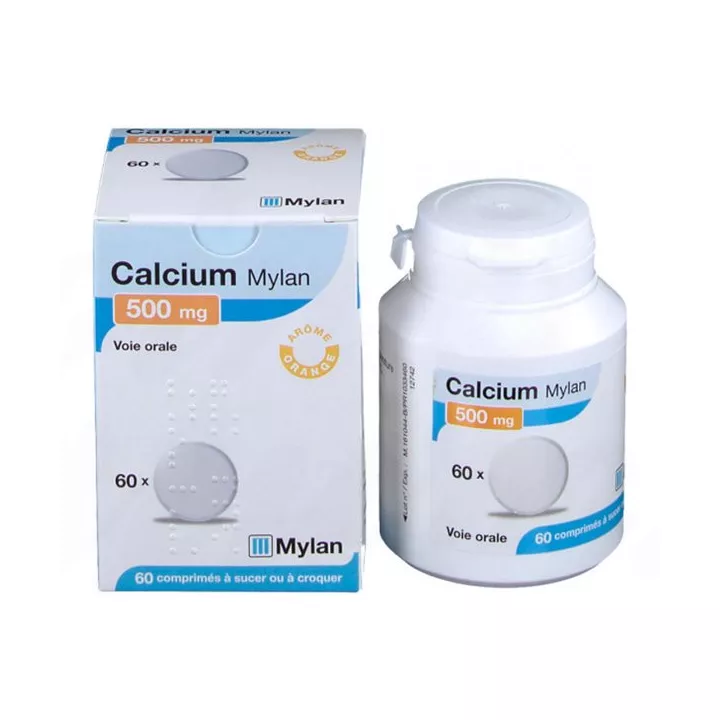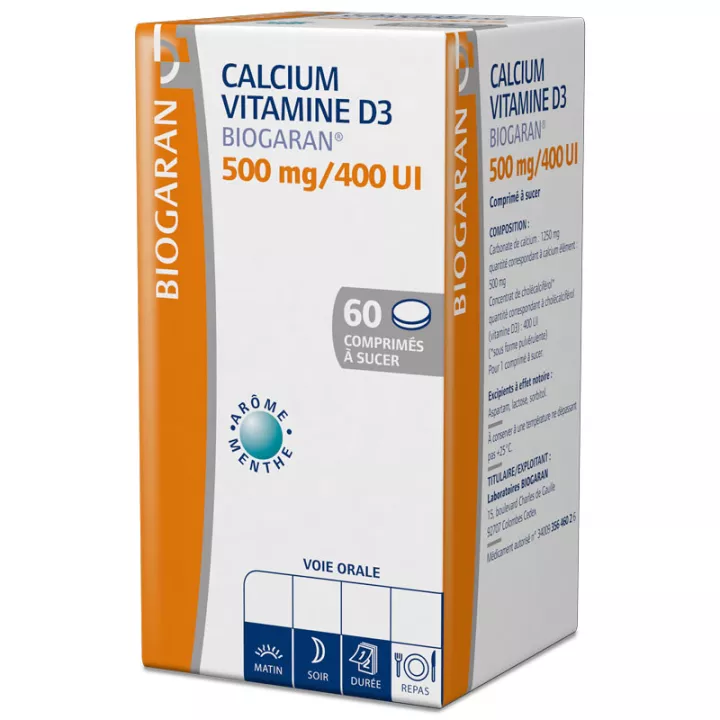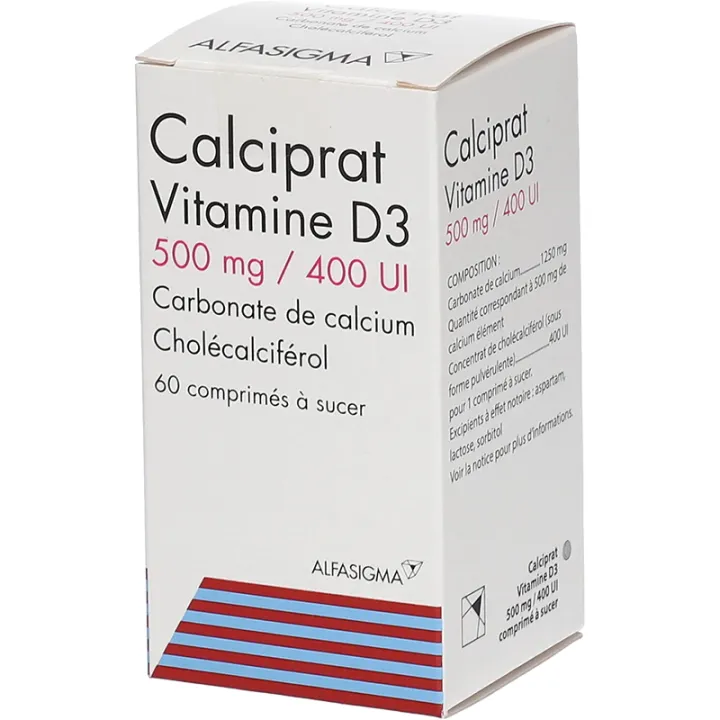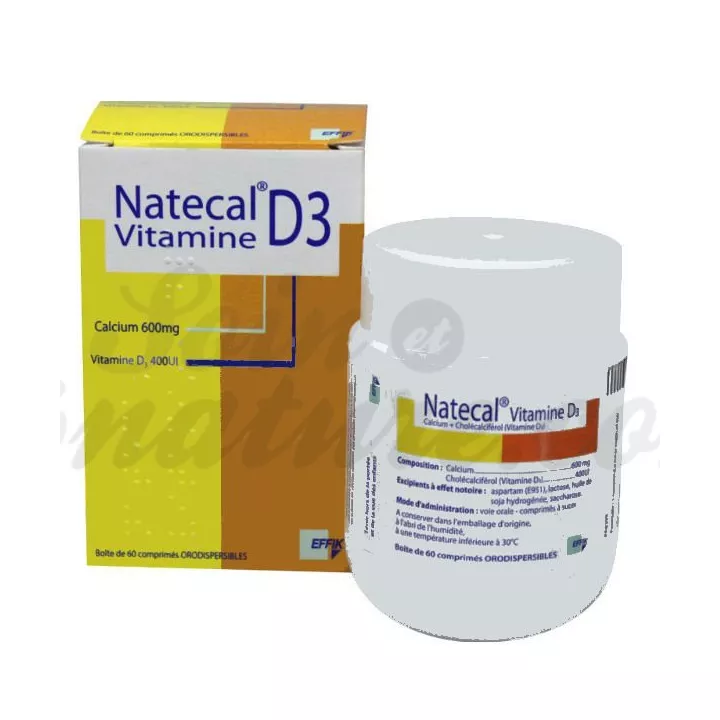
Natecal Vitamin D3 600 mg/400 IU is an orodispersible supplement that combines calcium and vitamin D3. It supports bone metabolism, prevents deficiencies, and optimizes osteoporosis treatments. Easy to take, well-tolerated, and essential for daily nutritional needs.

When seeking to maintain bone strength or address certain nutritional deficiencies, people often turn to calcium supplements. Natecal Vitamin D3 600 mg/400 IU does more than just “make up for” a deficiency—it works synergistically. This orodispersible tablet combines calcium and vitamin D3, an essential combination for maintaining bone health, particularly in older adults or those at risk ofosteoporosis. In fact, vitamin D3 (cholecalciferol) helps calcium bind properly to the bones, improving bone density and limiting demineralization. Its benefits don’t stop there. Natecal Vitamin D3 is often recommended as a supportive treatment in cases where calcium and vitamin D levels are too low—or at risk of becoming so. This is particularly true during long-term treatment for osteoporosis: here, the product enhances the effects of bone therapies by optimizing the absorption of essential nutrients.
Thanks to its orodispersible form, Natecal Vitamin D3 is easy to take daily, even for patients who have difficulty swallowing. No water is needed: it gently dissolves on the tongue, providing a subtle and pleasant effervescent sensation while ensuring optimal bioavailability. A practical solution for older adults or patients on multiple medications. Calcium, present here in the form of carbonate, contributes to much more than just bone health. It also plays a role in muscle function, blood clotting, and nerve transmission. At the same time, vitamin D3 supports the immune system and helps prevent certain chronic diseases. This supplement thus becomes an everyday ally, going beyond its simple role in preventing deficiency.
This product can also provide temporary support following a fracture, prolonged immobilization, or a period of intense fatigue. It is a way to replenish the body with the nutrients it needs to recover, remineralize, and restore a solid foundation for essential physiological functions. In short, Natecal Vitamin D3 is a comprehensive, balanced, and well-tolerated solution for anyone concerned with maintaining bone, muscle, and overall health. Whether used preventatively or as a supplement to treatment, it offers a targeted, practical, and scientifically proven solution to the most common deficiencies in adults. You can also chooseInebios Osipause Bone Health, which offers a plant-based synergy designed to strengthen bone tissue, effectively complementing the benefits of Natecal.
Recommended Usage
For adults and seniors, the usual dosage is 1 tablet twice daily, preferably after meals (morning and evening). The orodispersible tablets should be placed directly in the mouth, without water. They will dissolve slowly, accompanied by a slight fizzing sensation. Do not swallow them whole. If you miss a dose, take it as soon as you remember. Never double the dose to make up for a missed one.
Share your feedback on the usage instructions and dosage of Natecal Vitamin D3 with our partner, Avis vérifiés, after your purchase.
Precautions
Before starting this treatment, talk to your doctor if you:
Certain food combinations should also be avoided: foods high in oxalic acid (spinach, rhubarb, tea, chocolate), phosphates (cold cuts, spreadable cheese), or phytic acid (legumes, whole grains) can slow calcium absorption. Take Natecal well apart from these meals. Finally, avoid this product if you are allergic to soy, lactose, sucrose, or peanuts, as it contains these ingredients. It is also contraindicated in cases of severe kidney failure or hypervitaminosis D.
Calcium Carbonate, Cholecalciferol (Vitamin D3), Maltodextrin, Aspartame, Low-Substituted Hydroxypropylcellulose, Lactose Monohydrate, Anhydrous Citric Acid, Orange Flavoring, Stearic Acid, All-Rac-Alpha-Tocopherol, Hydrogenated Soybean Oil, Gelatin, Sucrose, Corn Starch, Silicon Dioxide
Presentation
Natecal Vitamin D3 comes in the form of a white, slightly beveled orodispersible tablet. The product is available in boxes of 60 tablets, ideal for both short-term treatments and long-term regimens. Its packaging is designed to preserve the product’s quality by protecting it from moisture.
Pharmacovigilance Report an adverse drug reaction(s)
ANSM - Last updated: 22/07/2013
NATECAL VITAMIN D 3 , 600 mg / 400 IU, orodispersible tablet
Calcium / cholecalciferol (vitamin D 3 )
Read this leaflet carefully before you start taking this medicine. It contains important information for your treatment.
· Keep this leaflet, you may need to read it again
· If you have any questions, ask your doctor or pharmacist.
· Consult a physician if symptoms worsen or persist.
· If any of the side effects gets worse or if you notice any side effects not listed in this leaflet, please tell your doctor or pharmacist
In this notice :
1. WHAT IS NATECAL VITAMIN D 3 , 600 mg / 400 IU, orodispersible tablet AND IN WHAT CASES IS IT USED?
2. BEFORE YOU TAKE NATECAL VITAMIN D 3 , 600 mg / 400 IU, orodispersible tablet?
3. HOW TO TAKE NATECAL VITAMIN D 3 , 600 mg / 400 IU, orodispersible tablet?
4. WHAT ARE POSSIBLE SIDE EFFECTS?
5. HOW TO STORE NATECAL VITAMIN D 3 , 600 mg / 400 IU, orodispersible tablet?
6. ADDITIONAL INFORMATION
1. WHAT IS NATECAL VITAMIN D3, 600 mg / 400 IU, orodispersible tablet AND IN WHAT CASES IS IT USED?
NATECAL VITAMIN D 3 , 600 mg / 400 IU, orodispersible tablet contains two active ingredients, calcium carbonate and cholecalciferol (vitamin D 3 ). Calcium and vitamin D 3 are present in the diet and vitamin D is also manufactured in the skin after exposure to the sun. NATECAL VITAMIN D 3 orodispersible tablets may be prescribed by a doctor to treat and prevent vitamin-calcium deficiency.
NATECAL VITAMINE D 3 is used:
· To treat vitamin-calcium deficiencies in the elderly,
· In combination with osteoporosis treatments when calcium and vitamin D levels are too low, or if there is a risk that they are low.
2. BEFORE YOU TAKE NATECAL VITAMIN D3, 600 mg / 400 IU, orodispersible tablet?
List of information needed before taking the medication
Not applicable.
Never take NATECAL VITAMIN D 3 , 600 mg / 400 IU, orodispersible tablet in the following cases:
· If you are allergic (hypersensitive) to calcium, vitamin D 3 or any of the other ingredients of NATECAL VITAMIN D 3 (especially soybean oil);
· if you have high levels of calcium in the blood (hypercalcaemia) or in the urine (hypercalciuria);
· if you have kidney failure;
· if you have kidney stones;
· if you have high levels of vitamin D in the blood (hypervitaminosis D).
Precautions for use; special warnings
Take special care with NATECAL VITAMIN D 3 , 600 mg / 400 IU, orodispersible tablet:
· if you have had kidney stones or other kidney problems (your doctor will need to closely monitor your treatment if your kidneys are not working properly to ensure that calcium does not accumulate in your blood);
· if you stay in bed for an extended period (in months) and if you have osteoporosis (fragile bones) because you can have high levels of calcium in the blood;
· if you are taking other medicines or other products containing calcium or vitamin D (your doctor or pharmacist can tell you if this is the case);
· if you suffer from sarcoidosis (your doctor will tell you if this is the case).
Interaction with other medicines
Taking or using other medicines:
Do not use this medication without first talking to your doctor or pharmacist if you are taking:
· any other medicinal product containing vitamin D;
· the following drugs for the heart: digoxin or other cardiac glycosides;
· antibiotics of the class of tetracyclines and fluoroquinolones. It is recommended to wait at least 3 hours after taking these medicines before taking NATECAL VITAMIN D 3 ;
· thiazide diuretics;
· if you are taking other medications to treat bone problems, such as biphosphonates or sodium fluoride. It is recommended to wait at least 3 hours before taking the orodispersible tablets of NATECAL VITAMIN D 3 ;
· Phenytoin (an antiepileptic) and barbiturates (drugs used for epilepsy or to help you sleep), because they can make vitamin D 3 less effective;
· Orlistat (a medication to treat obesity), cholestyramine, laxatives such as paraffin oil, because they can reduce the amount of vitamin D 3 you absorb;
· Estramustine (a drug used in chemotherapy), thyroid hormones or medicines containing iron, zinc or strontium, as the amount absorbed can be reduced. They should be taken at least two hours before or after NATECAL VITAMIN D 3 .
Please tell your doctor or pharmacist if you are taking or have recently taken any other medicines, even medicines obtained without a prescription.
Interactions with food and beverages
Food and drinks
This product is likely to interact with certain foods, such as those containing oxalic acid (spinach, rhubarb, sorrel, cocoa, tea, etc.), phosphates (ham, sausages, cheese spreads ...) or phytic (legumes, whole grains, chocolate ...). Therefore, it is recommended to take NATECAL VITAMIN D 3 two hours before or after meals containing these types of food.
Interactions with Herbal Medicines or Alternative Therapies
Not applicable.
Use during pregnancy and lactation
Pregnancy and breast feeding
NATECAL VITAMIN D 3 orodispersible tablets should be used during pregnancy and lactation exclusively on the recommendation of a physician.
Ask your doctor or pharmacist for advice before taking any medicine.
Not applicable.
Effects on ability to drive or use machines
Not applicable.
List of excipients with known effect
Important information about some of the ingredients of NATECAL VITAMINE D 3 , 600 mg / 400 IU, orodispersible tablet:
The product contains: aspartam (E951), lactose, hydrogenated soybean oil, sucrose.
The product contains aspartame, a source of phenylalanine. Phenylalanine can be dangerous for people with phenylketonuria.
The product contains lactose and sucrose; therefore, if your doctor has told you that you are suffering from intolerance to some sugars, contact him or her before taking this medication.
The product contains soybean oil; therefore, if you are allergic to peanuts or soy beans, do not use this medicine.
3. HOW TO TAKE NATECAL VITAMIN D3, 600 mg / 400 IU, orodispersible tablet?
Not applicable.
Dosage
Always follow the dosage indicated by your doctor or pharmacist. If in doubt, consult your doctor.
The usual dose for adults and the elderly is one tablet twice a day (eg one tablet in the morning and one tablet in the evening), preferably after the meal.
Administration mode
The tablets can be put in the mouth without water and must be sucked. They should not be swallowed whole.
You will feel the tablets dissolve in your mouth within minutes. This will be accompanied by a slight effervescence.
Symptoms and Instructions for Overdose
If you take more NATECAL VITAMIN D 3 , 600 mg / 400 IU, orodispersible tablet than you should:
Contact your doctor. If this is not possible, go to the emergency room of the nearest hospital with the remaining tablets and packaging.
Instructions for omission of one or more doses
If you forget to take NATECAL VITAMIN D 3 , 600 mg / 400 IU, orodispersible tablet:
Take it as soon as you remember. Take the next dose at the usual time. However, if the next dose is near, skip the missed dose and continue as usual. Do not take two doses at the same time.
Not applicable.
4. WHAT ARE POSSIBLE SIDE EFFECTS?
Description of adverse reactions
Like all medicines, NATECAL VITAMIN D 3 , 600 mg / 400 IU, orodispersible tablet is likely to have side effects, although not everyone is subject to it.
The following effects are infrequent: (affecting 1 to 10 patients per 1,000):
· hypercalcemia (too much calcium in your blood) - Symptoms include nausea, vomiting, lack of appetite, constipation, stomach pain, bone pain, extreme thirst, need to urinate more often, muscle weakness, drowsiness and disorientation;
· hypercalciuria (too much calcium in your urine).
The following effects are rare: (affecting 1 to 10 patients out of 10,000):
· nausea
· stomach ache
· constipation
· diarrhea
· flatulence
· itching
· rash
· urticaria
The following effects have an unknown frequency (can not be estimated from the available data):
· Serious allergic reactions (hypersensitivity) such as swelling of the face, lips or tongue.
If you notice any side effects not listed in this leaflet, or if any of the side effects gets serious, contact your doctor or pharmacist.
5. HOW TO STORE NATECAL VITAMIN D3, 600 mg / 400 IU, orodispersible tablet?
Keep out of the reach and sight of children.
Do not use NATECAL VITAMIN D 3 , 600 mg / 400 IU, orodispersible tablets after the expiry date which is stated on the box and on the pill.
The expiry date refers to the last day of the month.
Store at a temperature not exceeding 30 ° C
Store in the original package in order to protect from moisture.
If necessary, warnings against visible signs of deterioration
Medicines should not be disposed of via wastewater or household waste. Ask your pharmacist what to do with unused medications. These measures will help protect the environment.
Full list of active substances and excipients
What is NATECAL VITAMIN D 3 , 600 mg / 400 IU, orodispersible tablet and contents of the pack?
This medication is in the form of an orodispersible tablet.
The tablet is round with bevelled edges and is white to whitish in color.
Box of 12, 60 or 180 (3 x 60 tablets) tablets.
Not all pack sizes may be marketed.
Pharmaceutical form and content
What is NATECAL VITAMIN D 3 , 600 mg / 400 IU, orodispersible tablet and contents of the pack?
This medication is in the form of an orodispersible tablet.
The tablet is round with bevelled edges and is white to whitish in color.
Pill containing 12 or 60 tablets.
Not all pack sizes may be marketed.
EFFIK
9/11 RUE JEANNE BRACONNIER
BUILDING "THE NEWTON"
92366 MEUDON LA FORET CEDEX
EFFIK
BUILDING "THE NEWTON"
9/11, RUE JEANNE BRACONNIER
92366 MEUDON LA FORET
ITALFARMACO SPA
VIALE FULVIO TESTI, 330
20126 MILAN
ITALY
Names of the medicinal product in the Member States of the European Economic Area
This medicinal product is authorized in the Member States of the European Economic Area under the following names:
[to be completed by the holder]
Date of approval of the notice
The last date on which this leaflet was approved is {date}.
AMM under exceptional circumstances
Not applicable.
Detailed information on this medicine is available on the ANSM website (France).
Information for health professionals only
The following information is intended exclusively for healthcare professionals:
Not applicable.
Vitamin D with Calcium
calcium, vitamin D
. Presentations . Composition . Indications . Contraindications . Warning . Drug Interactions . Pregnancy and breastfeeding . Directions for use and dosage . Advice . Undesirable effects . Lexicon
NATECAL VITAMINE D3: orodispersible tablet (white, orange flavoring); box of 60.
Refunded at 65%. - price: 5,90 euro (s).
Laboratory Effik
| p cp | |
| Calcium carbonate | 1.5 g |
| either Calcium | 600 mg |
| Colecalciferol (vitamin D3) | 400 IU |
| aspartame | + |
| Lactose | + |
| Soya oil | + |
Usual dosage: