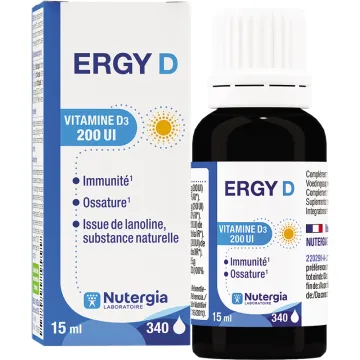
Vitamin D3, or cholecalciferol, is a unique fat-soluble vitamin: unlike most vitamins, the body can synthesize it on its own in the skin when exposed to the sun’s UVB rays. This skin synthesis normally covers 80 to 90 percent of the body’s needs, with diet providing only a limited supplement. However, the routine use of sunscreen, while essential for reducing skin cancer risks, also reduces the body’s ability to produce vitamin D in the skin, which partly explains the high incidence of vitamin D deficiency even among people living in sunny regions.
Vitamin D3 is essential for the intestinal absorption of calcium and phosphorus, two minerals vital for bone mineralization. Beyond this well-known function, it also plays a role in regulating the immune system, muscle contraction, and cell division, which explains the interest in this vitamin far beyond the realm of bone health alone.
Several factors account for the prevalence of vitamin D deficiency in France: insufficient sunlight for much of the year, particularly in the northern part of the country; a predominantly indoor lifestyle; and an aging population whose skin synthesizes vitamin D less efficiently with age. Since adipose tissue sequesters this fat-soluble vitamin, people who areobese are also at higher risk—a factor that compounds the environmental causes. Public health surveys estimate that a significant portion of the population has insufficient vitamin D levels by the end of winter, which calls for special vigilance during this period.
There are two main forms of vitamin D used in supplementation: vitamin D2 (ergocalciferol), derived from plants or fungi, and vitamin D3 (cholecalciferol), derived from animals or synthesized through processes similar to natural skin production. Comparative studies suggest that vitamin D3 is more effective than D2 at raising and sustainably maintaining blood levels of vitamin D—a factor that is particularly closely monitored in the management ofosteoporosis—which explains why it is the preferred form in most dietary supplements today.
Vitamin D requirements vary by age and physiological condition: infants, particularly those who are breastfed, require routine supplementation from birth, as breast milk is naturally low in vitamin D regardless of the breastfeeding mother’s status. Adults have a recommended intake of approximately 15 to 20 micrograms per day, while people over 65 have higher requirements due to less efficient vitamin D synthesis in the skin.
Certain populations are at increased risk of deficiency: older adults, who synthesize vitamin D less efficiently and often have less sun exposure; people with dark skin living in regions with limited sunlight; and people who wear clothing that covers much of their skin, limiting direct sun exposure.
Vitamin D3 supplementation can be taken daily at a low dose or quarterly at a higher dose (in an ampoule or as a loading dose), with both approaches medically validated depending on prescribing practices and patient preference. This supplementation is frequently incorporated into efforts to boost natural immunity during the winter months, in addition to a balanced diet. A preliminary blood test allows the dosage to be precisely tailored to the individual’s actual vitamin D status rather than relying on a generic regimen.
Unlike water-soluble vitamins, which are rapidly eliminated, vitamin D3—a fat-soluble vitamin—can accumulate in the body with excessive and prolonged intake, exposing the individual to a risk of hypercalcemia (excess calcium in the blood), which may manifest as unusual fatigue, nausea, excessive thirst, and, in severe cases, kidney complications. This risk of toxicity remains rare at recommended doses but justifies never exceeding the prescribed doses without medical advice, particularly in people who have already been taking calcium supplements for a long time.