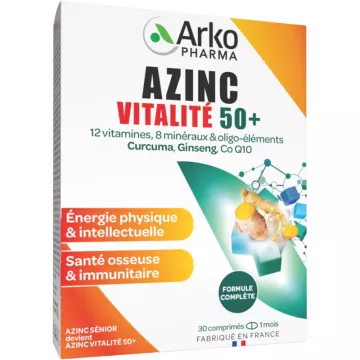
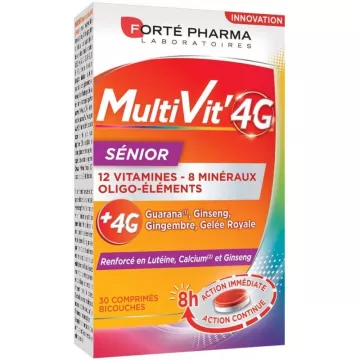
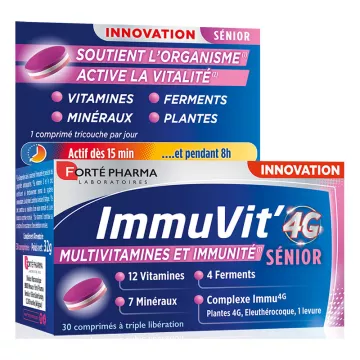
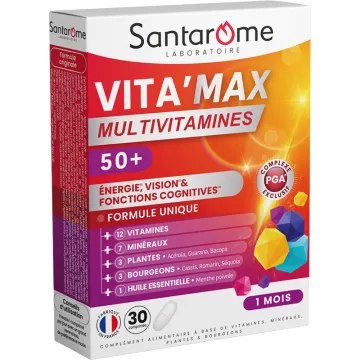
Aging profoundly alters nutritional needs. Protein-energy malnutrition affects approximately 4% of older adults living at home and up to 50% in nursing homes, according to the HAS, and is often masked by stable weight (muscle loss offset by an increase in body fat). Protein is a priority: requirements increase to 1.2–1.5 g/kg/day after age 70 to counteract sarcopenia. Calcium (1,200 mg/day) and vitamin D—which 80% of older adults are deficient in during the winter—support bone density. Older adults experience a reduced sense of thirst: the risk of dehydration is high, with rapid effects on cognition, bowel function, and blood pressure.
Falls are the leading cause of trauma-related hospitalizations for people over 65 and account for one-third of accidental deaths among those over 75 (INRS data). Prevention rests on several pillars:
Polypharmacy (taking ≥ 5 medications simultaneously) affects more than 50% of people over 80 and exponentially increases the risk of drug interactions and adverse effects. Dietary supplements and herbal remedies are not harmless in this context: St. John’s wort interacts with anticoagulants and antidepressants; ginkgo biloba may potentiate antiplatelet agents. Before starting any supplement, it is essential to consult with your primary care physician or pharmacist. Monitoring blood sugar and blood pressure also determines how treatments need to be adjusted over time.
Senile xerosis—age-related skin dryness—affects more than 75% of people over the age of 75. It results from a reduction in sebaceous glands, decreased ceramide production, and chronic dehydration, which is often underestimated. Moisturizers should be applied daily to the body after bathing, on slightly damp skin to optimize absorption. Emollients rich in ceramides, urea (5–10%), or glycerin are the most effective. Foot care deserves special attention: untreated plantar keratosis can lead to chronic sores and serious podiatric complications, particularly in people with diabetes.
Sleep disorders affect 40 to 70% of older adults: fragmented sleep, early awakening, and advanced sleep phase are the most common patterns. Extended-release melatonin is the most well-evaluated pharmacological solution for older adults (ANSM recommendation; approved for use in individuals aged 55 and older). Sleep hygiene—regular sleep schedules, morning light therapy, and limiting naps—remains the foundation. To boost natural immunity, vitamin D3 (800–1,000 IU/day), zinc, and probiotics constitute the most well-documented nutritional foundation for older adults, particularly during the winter months.
Joint pain associated with osteoarthritis is the leading cause of chronic pain in people over 65. The complementary strategy available at health food stores combines:
These supplements are part of a comprehensive treatment plan that includes physical therapy, adapted physical activity, and supervised pain medication.