0
Menu
Calciprat Calcium Vitamin D3 tablets do not make Calciprat Calcium Vitamin D3 tablets do not make
Over-the-counter medication

Calciprat Calcium Vitamin D3 tablets do not make

Calciprat Calcium Vitamin D3 corrects calcium and vitamin D deficiencies in adults, particularly in osteoporosis. Suck-on formula, mint flavor. Available without prescription.

€7.83 EXCL. VAT €7.99 INCL. VAT
Not in stock Out of stock Secure payment
Reference : 3400934115608
You must be logged in to add this product to a list. Customer login
See delivery conditions

Our doctors of pharmacy advise you

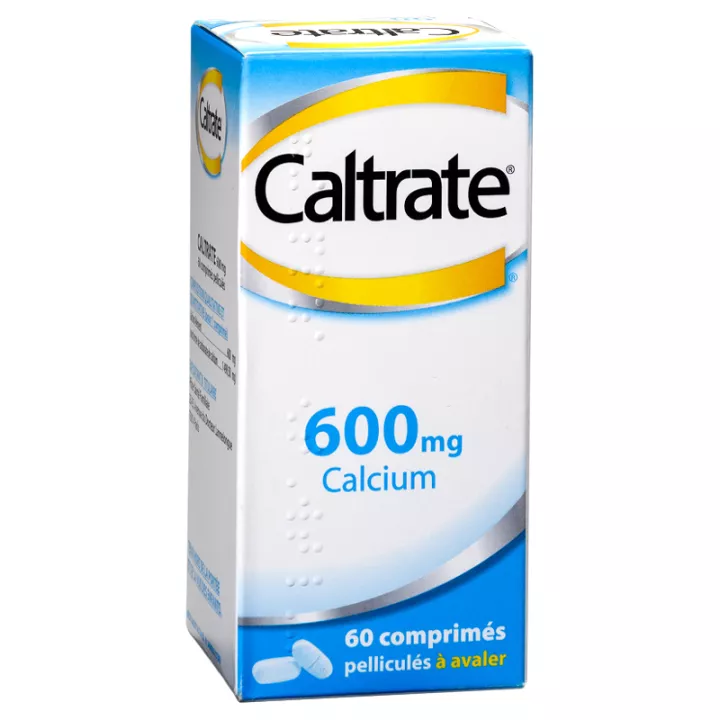
Caltrate 600 mg Calcium 60 tablets Caltrate 600 mg Calcium 60 tablets
€6.97
Shipped within 24h
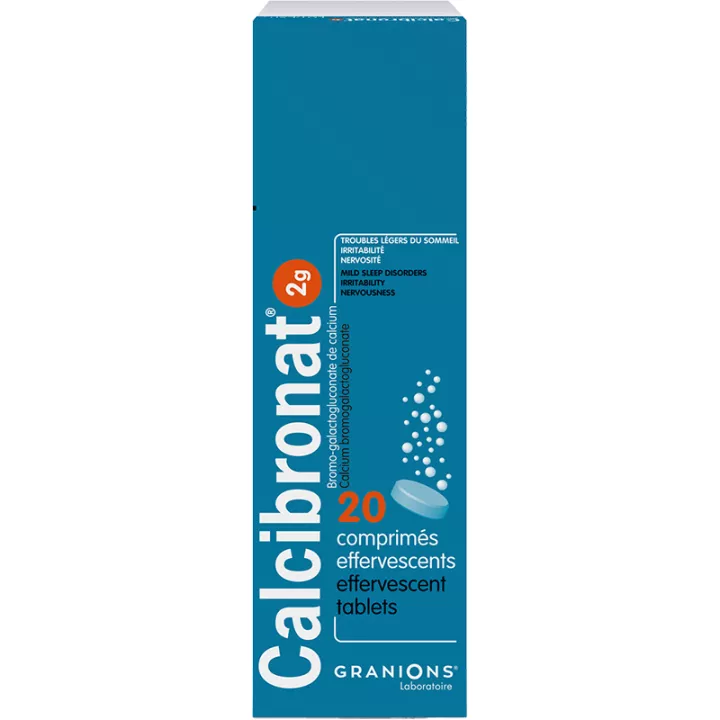
Calcibronat Granions 2g Calcium 20 Effervescent Tablets Calcibronat Granions 2g Calcium 20 Effervescent Tablets
€9.99
Shipped within 24h
Granions CALCIBRONAT Calcium 60 tablets for stress Granions CALCIBRONAT Calcium 60 tablets for stress
€26.57
Shipped within 24h
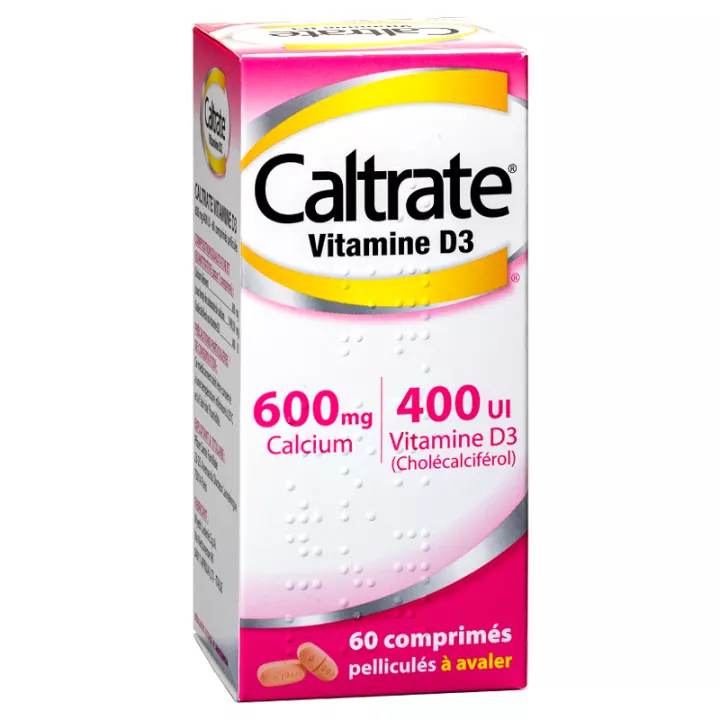
Caltrate Calcium Vitamin D3 600 mg/400 IU 60 tablets Caltrate Calcium Vitamin D3 600 mg/400 IU 60 tablets
€6.97
Shipped within 24h
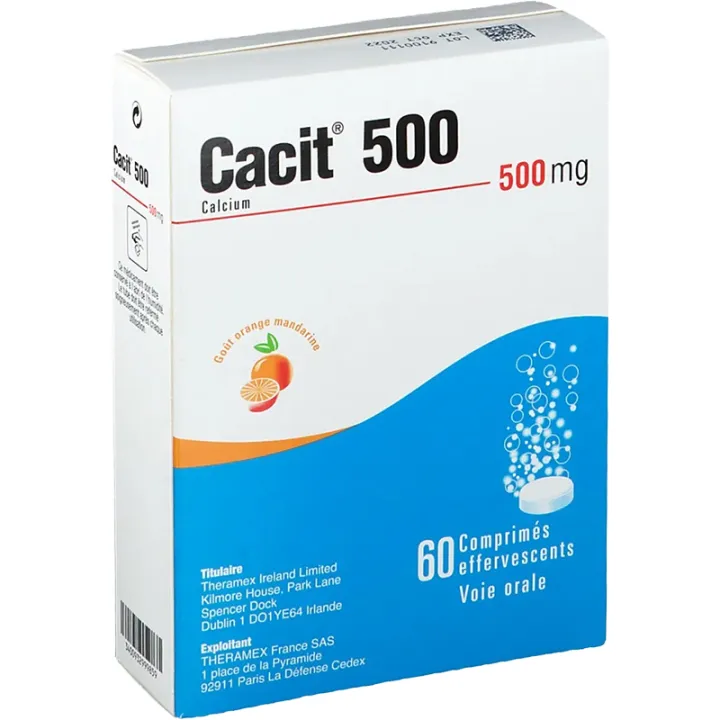
Cacit Calcium tablets Cacit Calcium tablets
500 mg 1000 mg
€7.99
Add to cart
Replenishment in progress

What are Calciprat Calcium Vitamin D3 tablets used for?

Calciprat Calcium Vitamin D3 is indicated for the correction of vitamin and calcium deficiencies in adults, particularly in the elderly, whose nutritional needs increase with age. Decreased intestinal absorption of calcium, reduced exposure to sunlight and certain pathological situations favour the appearance of combined calcium and vitamin D deficiencies, justifying appropriate supplementation.

This product can also be used as a vitamin-calcium supplement in patients receiving specific osteoporosis treatment. In this context, it helps optimize the efficacy of anti-osteoporosis therapies by ensuring an adequate supply of the substrates essential for bone mineralization, particularly in patients at high risk of deficiency.

The combination of calcium carbonate and cholecalciferol is based on a targeted physiological approach. Calcium is the main mineral constituent of bone, helping to maintain skeletal rigidity. Vitamin D3 plays a decisive role in regulating calcium homeostasis, by increasing intestinal absorption of calcium and facilitating its mobilization and fixation in bone tissue.

In patients with inadequate dietary intakes, due to inappropriate nutritional habits or prolonged dietary restrictions, this combination helps to correct nutrient deficiencies likely to lead to bone fragility. It thus helps limit the clinical consequences of chronic hypocalcemia, such as bone demineralization, altered bone mass and increased fracture risk.

The benefits of Calciprat Calcium Vitamin D3 are also recognized in certain specific pathophysiological situations, such as menopause, bone ageing, a history of osteoporotic fracture or prolonged treatment with corticoids. In these contexts, calcium and vitamin D requirements increase, while their assimilation decreases, making a controlled exogenous intake necessary.

The chewable galenic form makes it easier to administer the treatment to patients with swallowing disorders or polymedication. This type of administration encourages better compliance, an essential element in the management of vitamin and calcium deficiencies, which are often silent but have potentially significant clinical consequences in the medium and long term.

Calciprat Calcium Vitamin D3 is therefore part of an overall strategy to prevent and correct calcium imbalances, with the aim of preserving bone health, maintaining adequate mineral density and effectively supporting osteoporosis treatment when nutritional intake alone is insufficient.

We also offer calcium in effervescent form, at the best price in our online pharmacy.

How to use this medicine to preserve your bone health?

Take 2 chewable tablets a day, spacing them out: 1 in the morning and 1 in the evening.

Give your opinion on the advice for use and dosage of Calciprat Calcium Vitamine D3 tablets with our partner Avis Vérifiés after your purchase.

Precautions for use

  • Do not use in case of :
  • Hypercalcemia
  • Hypercalciuria
  • Calcium lithiasis
  • Tissue calcification
  • Prolonged immobilization with hypercalcemia or hypercalciuria
  • Phenylketonuria (presence of aspartam)
  • Contraindicated in case of known allergy to any of the following excipients: Xylitol, Povidone K30, Aspartam, Levomenthol, Mint Flavor (Peppermint Essential Oil, Gum Arabic, Maltodextrin, Sorbitol), Talc, Magnesium Stearate, Lactose Monohydrate.
  • Allow at least 2 hours between Calciprat and the following drugs: thyroid hormones, iron salts, strontium, cyclins, biphosphonates, sodium fluoride.
  • Avoid co-administration with foods rich in phytic acid (chocolate, wholegrain cereals, oilseeds) or oxalic acid (spinach, rhubarb, tea, cocoa), which may interfere with calcium absorption.
  • Medical supervision is recommended in the event of concomitant treatment with digitalis, thiazide diuretics, corticoids or enzyme-inducing anticonvulsants.
  • This medicine may be used by pregnant or breast-feeding women, under medical supervision and in compliance with the indicated dosage.

What are Calciprat-Vitamin D3 chewable tablets made of?

Calcium Carbonate, Cholecalciferol, Xylitol, Povidone K30, Aspartam, Levomenthol, Mint Flavor, Peppermint Essential Oil, Gum Arabic, Maltodextrin, Sorbitol, Talc, Magnesium Stearate, Lactose Monohydrate.

Two presentations available:

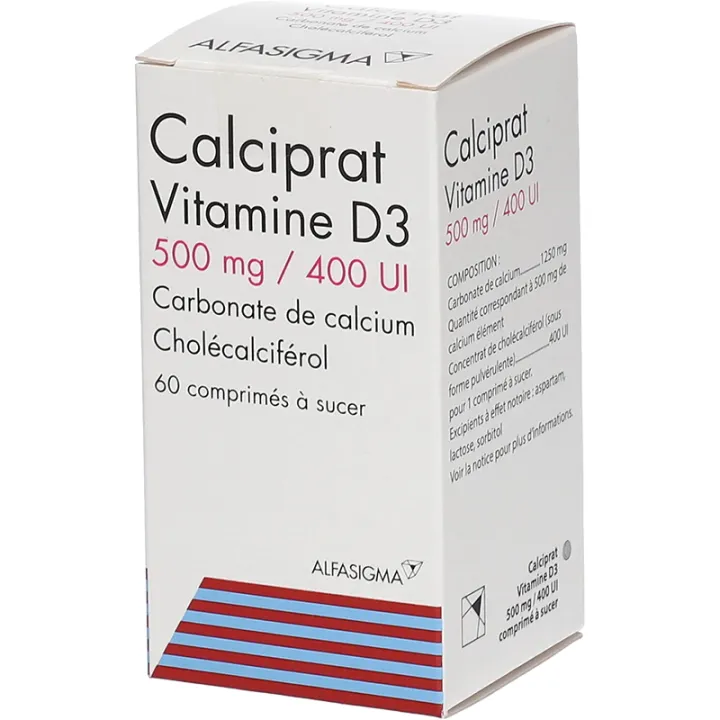
  • Calciprat Calcium Vitamin D3 60 sucking tablets 500mg/400UI: calcium 500 mg (as Calcium carbonate 1250gr) vitamin D3 or cholecalciferol 400UI
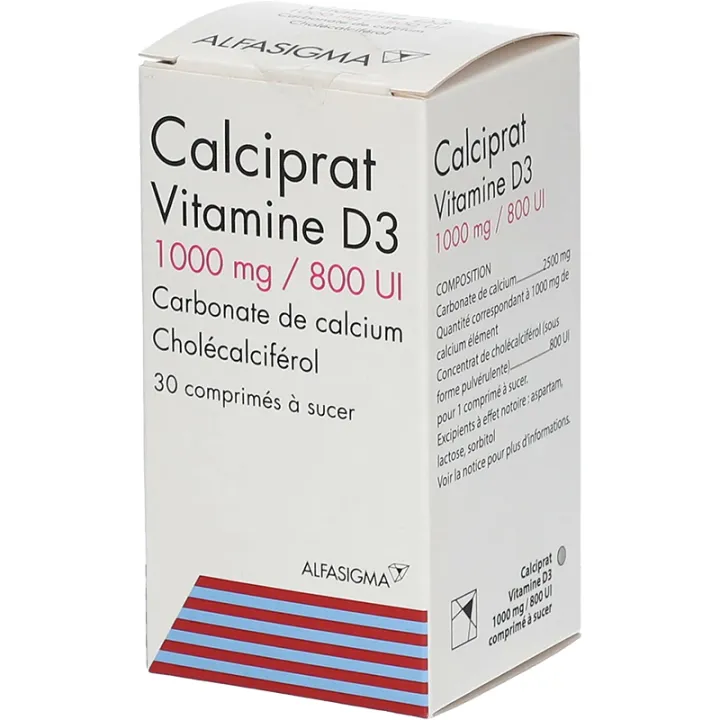
  • Calciprat Calcium Vitamin D3 30 sucking tablets 1000mg/800UI: calcium 1000 mg (as Calcium carbonate 2500gr) vitamin D3 or cholecalciferol 800UI

Presentation :

  • Calciprat Calcium Vitamin D3 60 sucking tablets 500 mg/400UI
  • Calciprat Calcium Vitamin D3 30 chewable tablets 1000 mg/800UI

Expert advice

In adults, and more specifically in the elderly, meeting calcium and vitamin D requirements is essential to limit the risk of bone demineralization. The joint administration of these two nutrients is recommended by learned societies in rheumatology and geriatrics in cases of anti-osteoporotic treatment or documented deficiency. Calciprat Calcium Vitamin D3 represents a suitable therapeutic option for meeting this requirement, thanks in particular to its good tolerance profile and its galenic form, which is adapted to swallowing disorders. In pharmacies, pharmacists are seeing improved compliance with this suck-on form, particularly in multi-trauma patients and those living in nursing homes.

FAQ

How do I use Calciprat Calcium Vitamin D3 tablets on a daily basis?
The recommended dose is 2 suckable tablets a day, spread throughout the day. Each dose should be followed by a glass of water. Do not take within two hours of certain medicines or foods rich in phytates or oxalates.

Is Calciprat Calcium Vitamin D3 tablets compatible with other medications?
Calciprat Calcium Vitamine D3 tablets can be combined with other treatments, provided that a 2-hour interval is observed with certain classes of medication (thyroid hormones, iron, biphosphonates, etc.). In case of treatment with digitalis or corticosteroids, monitoring is recommended.

How long can Calciprat Calcium Vitamin D3 tablets be taken?
The duration of administration depends on the clinical context and level of deficiency. It may be taken as part of a one-off supplementation or as part of a long-term treatment, on medical advice.

Pharmacovigilance Report an adverse drug reaction(s)

Download PDF leaflet

NOTICE

ANSM - Updated on : 11/01/2024

Product name

CALCIPRAT VITAMIN D3 500 mg/400 IU, chewable tablet

Calcium/Cholecalciferol

Box

Please read this leaflet carefully before taking this medicine. It contains important information for your treatment.

If you have any further questions, please ask your doctor or pharmacist.

- Keep this leaflet as you may need to read it again.

- If you need more information or advice, ask your pharmacist.

- If symptoms worsen or persist, consult your doctor.

- If you notice any side effects not mentioned in this leaflet, or if you experience any of the effects mentioned as serious, please tell your doctor or pharmacist.

Leaflet summary

In this leaflet :

1. WHAT IS CALCIPRAT VITAMIN D3 500 mg/400 IU, chewable tablet AND WHAT IS IT USED FOR?

2. WHAT DO I HAVE TO KNOW BEFORE TAKING CALCIPRAT VITAMIN D3 500 mg/400 IU, Sucking Tablet?

3. HOW DO I TAKE CALCIPRAT VITAMIN D3 500 mg/400 IU, Sucking Tablet?

4. WHAT ARE THE POSSIBLE SIDE EFFECTS?

5. HOW CAN I USE CALCIPRAT VITAMIN D3 500 mg/400 IU, Sucking Tablets?

6. ADDITIONAL INFORMATION

1. WHAT IS CALCIPRAT VITAMIN D3 500 mg/400 IU SUCKABLE TABLET AND WHAT IS IT USED FOR?

Pharmacotherapeutic class

VITAMIN D-CALCIUM INTAKE

(A: Digestive system and metabolism - Active on calcium balance).

Therapeutic indications

This drug is indicated:

- in elderly patients suffering from calcium and vitamin D deficiency,

- in association with osteoporosis treatments when calcium and vitamin D intake is insufficient.

2. WHAT DO I HAVE TO KNOW BEFORE TAKING CALCIPRAT VITAMIN D3 500 mg/400 IU, chewable tablet?

List of information required before taking the medicine

Not applicable.

Contraindications

Never take CALCIPRAT VITAMIN D3 500 mg/400 IU in the following cases:

- hypersensitivity to vitamin D or any of its constituents,

- abnormally high levels of calcium in the blood (hypercalcemia),

- exaggerated elimination of calcium in the urine (hypercalciuria),

- kidney stones (calcium lithiasis),

- phenylketonuria (presence of aspartam).

IF IN DOUBT, ASK YOUR DOCTOR OR PHARMACIST FOR ADVICE.

Precautions for use; special warnings

Be careful with CALCIPRAT VITAMIN D3 500 mg/400 IU:

Precautions for use

Use with CAUTION in case of:

- of prolonged treatment, it is necessary to regularly check the amount of calcium in the blood and eliminated in the urine (calciuria). Depending on the results, your doctor may decide to reduce or even discontinue your treatment,

- additional administration of high doses of calcium and vitamin D, under strict medical supervision.

- In the case of combined treatment with sodium fluoride or biphosphonates, it is advisable to wait two hours between taking these drugs and CALCIPRATD3, and in the case of treatment with a tetracycline antibiotic, it is advisable to wait three hours.

- in case of sarcoidosis or renal insufficiency.

IF IN DOUBT, ASK YOUR DOCTOR OR PHARMACIST FOR ADVICE.

Interactions with other drugs

Taking or using other drugs

TO AVOID INTERACTIONS BETWEEN MEDICATIONS, IT IS ESSENTIAL TO REPORT ANY OTHER CURRENT TREATMENT TO YOUR DOCTOR OR PHARMACIST, especially digitalis, tetracyclines, vitamin D, sodium fluoride, biphosphonates, diuretics, antiepileptics, corticoids.

Interactions with food and beverages

Not applicable.

Interactions with herbal products or alternative therapies

Not applicable.

Use during pregnancy and breast-feeding

Pregnancy and breast-feeding

In the event of pregnancy, do not exceed 1500 mg calcium and 600 IU CALCIPRAT D3 per day: one tablet per day.

Ask your doctor or pharmacist for advice before taking any medication.

Sportsmen

Not applicable.

Effects on ability to drive and use machines

Driving vehicles and using machines

No particular effect.

List of notable excipients

List of excipients: aspartam.

3. HOW TO TAKE CALCIPRAT VITAMIN D3 500 mg/400 IU, suckable tablet?

Instructions for proper use

Not applicable.

Dosage, Method and/or route(s) of administration, Frequency of administration and Duration of treatment

Dosage

2 tablets per day.

Method of administration

Oral administration.

Suck tablet followed by a glass of water.

Duration of treatment

In all cases, adhere strictly to your doctor's prescription.

Symptoms and instructions in case of overdose

If you have taken more CALCIPRAT VITAMIN D3 500 mg/400 IU than you should have:

If you take too much CALCIPRAT D3, you may experience the following symptoms:

- nausea, vomiting, intense thirst, constipation.

If such effects occur, inform your doctor immediately, who will take the necessary measures.

In the event of prolonged overdosage, calcifications may appear in vessels or tissues.

Instructions in case of missed dose(s)

If you forget to take CALCIPRAT VITAMIN D3 500 mg/400 IU:

If you miss a dose, do not take two doses at once,

Risk of withdrawal syndrome

Not applicable.

4. WHAT ARE THE POSSIBLE SIDE EFFECTS?

Description of side effects

Like all medicines, CALCIPRAT VITAMIN D3 500 mg/400 IU is likely to have undesirable effects, although not everyone is subject to them:

- Constipation, diarrhea

- Epigastric pain, bloating,

- Nausea.

- Increased calcium levels in the blood or urine in some cases.

Reporting side effects

If you experience any side effects, please tell your doctor, pharmacist or nurse. This also applies to any side effects not mentioned in this leaflet. You can also report adverse reactions directly via the national reporting system: Agence nationale de sécurité du médicament et des produits de santé (ANSM) and the network of Centres Régionaux de Pharmacovigilance - Website: https://signalement.social-sante.gouv.fr/

By reporting adverse reactions, you are helping to provide more information on drug safety.

5. HOW TO CONSERVE CALCIPRAT VITAMIN D3 500 mg/400 IU, sucking tablet?

Keep out of the reach and sight of children.

Expiration date

Do not use CALCIPRAT VITAMIN D3 500 mg/400 IU after the expiration date stated on the box.

Storage conditions

No special storage precautions.

If necessary, warnings against certain visible signs of deterioration

Medicines must not be disposed of down the drain or with household waste. Ask your pharmacist what to do with unused medicines. These measures will help protect the environment.

6. FURTHER INFORMATION

Complete list of active ingredients and excipients

What does CALCIPRAT VITAMIN D3 500 mg/400 IU contain?

The active ingredients are:

Cholecalciferol* concentrate

Quantity corresponding to Cholecalciferol .......................................................................................... 400 U.I

Calcium carbonate .................................................................................................................... 1250 mg

Quantity corresponding to elemental calcium ........................................................................................ 500 mg

For one chewable tablet.

*In powder form

Other components are:

Xylitol, povidone (K 30), menthol, aspartam, mint flavor, talc, magnesium stearate, lactose.

Pharmaceutical form and contents

What is CALCIPRAT VITAMIN D3 500 mg/400 IU and what does it contain?

This medicine takes the form of a chewable tablet. Box of 60.

Name and address of the marketing authorization holder and of the manufacturing authorization holder responsible for batch release, if different

Holder

ALFASIGMA FRANCE

Operator

ALFASIGMA FRANCE

Manufacturer

Laboratoires MACORS

Rue des caillottes

89000 AUXERRE

Product names in member states of the European Economic Area

Not applicable.

Date of approval of the package leaflet

This leaflet was last approved on {date}.

MA under exceptional circumstances

Not applicable.

Internet information

Detailed information on this product is available on the Afssaps (France) website.

Information reserved for healthcare professionals

Not applicable.

Other

Not applicable.

VIDAL DE LA FAMILLE

CALCIPRAT D3

Revised January 05, 2024
Drug family : Vitamin D with calcium

Indications

This medicine contains calcium and vitamin D, which facilitates the absorption of calcium by the intestine and its binding to the bones.

It is used :
  • in the treatment of calcium and vitamin D deficiency in the elderly,
  • in the adjunctive treatment of osteoporosis, when the combined intake of calcium and vitamin D is necessary.

Presentations

CALCIPRAT D3 500 mg/400 IU: suckable tablet (white; mint flavoring); box of 60
Optional prescription - 65% reimbursable - Price: 5.29 €.
CALCIPRAT D3 1000 mg/800 UI : sucking tablet (white ; mint flavoring) ; box of 30
Optional prescription - 65% reimbursable - Price: € 5.29
CALCIPRAT D3 1000 mg/800 UI : sucking tablet (white ; mint flavoring) ; box of 90
Optional prescription - 65% reimbursable - Price: €14.98

Prices do not include dispensing fees.

Composition

p cpp cp
Calcium carbonate1,25 g2,5 g
i.e. Calcium500 mg1000 mg
Colecalciferol (vitamin D3)400 IU800 IU
Aspartam++
Lactose++
Sorbitol+

Contraindications

This medicine must not be used in the following cases:
  • excess calcium in the blood or urine, with or without lithiasis ;
  • prolonged immobilization (wait until you can walk again before starting treatment);
  • children under 15 (1000 mg/800 IU tablet);
  • phenylketonuria (presence of aspartam).

Warning

This medicine contains vitamin D: overdosing may cause serious side effects. Vitamin D is present in many medicines, some of which you can buy without prescription: avoid combining them without medical advice.

Precautions should be taken in cases of sarcoidosis or renal insufficiency.

Do not prolong treatment beyond the prescribed period: a blood test may be necessary to check that there is no abnormal accumulation of calcium in the body.

When this drug is intended to treat decalcification due to prolonged bed rest, treatment should not be started before walking is resumed.

Drug interactions

Due to the presence of calcium, this drug should be taken at least 2 hours apart from cyclins, biphosphonates, thyroid hormones or drugs containing iron, zinc, strontium or estramustine.

Tell your pharmacist or doctor if you are taking anticonvulsants, digitalis, diuretics, rifampicin or orlistat.

There are also food interactions: foods known to be rich in oxalic acid (spinach, rhubarb, sorrel, cocoa, tea) or phytic acid (chocolate, wholegrain cereals, pulses) may reduce calcium absorption. It is therefore recommended to take this medicine at a distance from meals containing these foods.

Fertility, pregnancy and breast-feeding

500 mg/400 IU tablets may be used by pregnant or breast-feeding women, but the dosage prescribed by the doctor must not be exceeded.

Hypercalcemia during pregnancy could be harmful to the unborn child. Take care not to take several vitamin D-containing drugs during pregnancy.

Due to their high vitamin D content, 1000 mg/800 IU tablets are not suitable for pregnant or breastfeeding women.

Directions for use and dosage

This medicine should be taken at a distance from certain foods (see Interactions).

Suck the tablets, then swallow a glass of water.

Usual dosage :

  • Adults: 1 tablet at 500 mg/400 IU, morning and evening or 1 tablet at 1000 mg/800 IU per day.

Advice

Taking this medicine does not exempt you from regularly consuming dairy products, which are naturally rich in calcium.

Possible side effects

Constipation or diarrhea, nausea, bloating, stomach pain, itching, urticaria.

Prolonged, high-dose treatment: hypercalcemia, hypercalciuria (excess calcium in the urine, which can lead to kidney stones).

LEXICON

anticonvulsant

Drug used to treat convulsions and various forms of epilepsy. Anticonvulsants are classified into barbiturates (phenobarbital) and non-barbiturates, which are currently the most widely used.

bloating

Accumulation of air or gas in the intestine.

See article: Bloating, flatulence and aerophagia

calculus

Concretion (stone) that forms in the excretory tracts of certain organs: urinary, biliary and salivary tracts.

Synonym: lithiasis.

deficiency

Deficiency usually involving nutrients, vitamins, minerals, etc. A diversified diet is the best way to prevent deficiencies.

constipation

Slowed intestinal transit resulting in fewer bowel movements.

See article: Constipation in adults or Constipation in babies and children

cyclins

A family of antibiotics used in the treatment of acne and certain genital infections.

diarrhea

The strict medical meaning of diarrhea is "the emission of stools that are too frequent and abundant". In fact, common sense equates diarrhea with the notion of frequent, liquid stools. Normally, stools are pasty, but the emission of liquid or barely-formed stools, with no associated pain or particular disorder, is not pathological. Diarrhea occurs when liquid stools are repeatedly passed during the day, and the need for them is urgent or painful.

Many drugs can accelerate intestinal transit and make stools more liquid, without this undesirable effect being a real cause for concern.

Antibiotics can alter the digestive flora, essential for digestion, and cause diarrhoea, which is more or less uncomfortable but benign. The effect may appear immediately or after a few days' treatment. A serious and exceptional form of diarrhea, pseudomembranous colitis, may be observed after antibiotic treatment; this condition is characterized by the emission of mucus and false membranes (resembling flaps of skin) associated with abdominal pain; constipation may replace the initial diarrhea. Pseudomembranous colitis may occur several days after antibiotic treatment has stopped, and requires urgent medical advice.

See article: Diarrhea and gastroenteritis in adults or Diarrhea and gastroenteritis in children

digitalis

A family of drugs related to digitalis, a substance derived from the common foxglove plant. Used in cardiology, digitalis slows down the heart and strengthens its contractions.

diuretic

Medication enabling increased elimination of water by the kidneys. In most cases, this water loss follows the loss of salts caused by the drug (salidiuretic).

Diuretics are mainly used to treat arterial hypertension, although their mechanism of action in this disease is poorly understood. They are also prescribed for acute or chronic heart failure, edema and other rarer conditions.

These drugs cause a loss of sodium and potassium (except in the case of certain so-called "potassium-sparing" drugs). Their prolonged use therefore requires regular monitoring of blood potassium levels, to avoid heart problems that could result from hypokalemia (lack of potassium in the blood). Sodium deficiency is another possible consequence of prolonged use of diuretics, but rarer at the usual dosage; it can also be detected by a blood test.

thyroid hormone

A family of metabolism-accelerating hormones secreted by the thyroid gland. They can be measured in the blood and are known as T3 and T4.

hypercalcemia

Excess calcium in the blood, due to illness or the use of certain medications (excess vitamin D).

hypercalciuria

Abnormal increase in calcium in the urine.

renal insufficiency

Inability of the kidneys to eliminate waste products or drug substances. Advanced renal failure does not necessarily mean a reduction in the quantity of urine eliminated. Only a blood test and creatinine level can reveal this condition.

lactose

Lactose is a sugar found in milk and certain milk derivatives. To digest it, the intestine must be able to secrete an enzyme called lactase. Many people lose the ability to produce lactase in adulthood. Lactose then passes into the intestine undigested, and its presence causes intestinal problems such as diarrhoea, bloating and gas. Some medicines contain lactose as an excipient (a component with no therapeutic activity). People who do not digest lactose may suffer adverse intestinal effects when taking this type of medication.

lithiasis

Concretion (stone) that forms in the excretory tracts of certain organs: urinary, biliary and salivary tracts.

Synonym: calculus.

osteoporosis

Fragility of bones, which become porous and brittle.

See article: Osteoporosis.

phenylketonuria

Hereditary disease characterized by the absence of an enzyme, leading to the accumulation of a toxic product in the blood. It is systematically detected at birth. Treatment is based on a specific diet during infancy.

dosage

Quantity and distribution of a drug dose according to the patient's age, weight and general condition.

sarcoidosis

A disease of unknown cause, which mainly affects young adults and most often manifests itself as simple fatigue.

It causes enlarged lymph nodes and inflammation of the lungs and other organs.

sorbitol

Sorbitol is a sugar found in certain fruits (prunes, for example). Because it has fewer calories than industrial sugar (sucrose), it is used as a sweetener (under the acronym E420) but also as a stabilizer, for example in certain medicines. During digestion, sorbitol is converted into fructose (fruit sugar). Some people have difficulty digesting fructose, and consequently experience intestinal problems (diarrhoea) when ingesting products containing sorbitol.

IU

Abbreviation for international unit. Standardized unit of measurement indicating the activity of a substance.

urticaria

A rash of pimples on the skin, most often of allergic origin. The pimples resemble nettle stings and vary in color from pale pink to red. Hives can appear or disappear within minutes, causing intense itching; they can be localized or generalized to the entire skin surface.

vitamin

A substance essential for the body's growth and proper functioning. Vitamin requirements are normally covered by a varied diet. In developed countries, only vitamin D deficiency in young children or elderly people with little exposure to sunlight justifies systematic supplementation. In excess of requirements, particularly through medication, can lead to overdosage and various disorders (mainly vitamins A and D).

See article: Vitamins.

Advice from our naturopaths

Magnesium, calcium, chromium, copper, iron and potassium orotates: bio-available mineral salts Magnesium, calcium, chromium, copper, iron and potassium orotates: bio-available mineral salts

Orotates, bioavailable mineral salts? It was the researcher Hans Nieper who discovered the particular properties of orotates at the end of the 1980s. These mineral salts of orotic acid indeed allow optimal mineralization . Orotatesse are found naturally in animal and plant cells. But how do orotates deposit minerals (magnesium, calcium, chromium, iron, lithium, zinc, etc.) at the heart of the cell, directly in the cell nucleus…

Read the article on the blog
Vitamin D, all its seasonal benefits Vitamin D, all its seasonal benefits

In winter, it is difficult for the body to synthesize vitamin D, which can lead to many health problems (depression, poor absorption of calcium and phosphate, increase in autoimmune diseases, etc.) Insufficient exposure to sunlight predisposes to vitamin D deficiency. Deficiency induces disturbances in bone mineralization, leading to rickets in children and osteomalacia in adults and may contribute to osteoporosis.…

Read the article on the blog
Micronutrition, the basis of recommendations to combat osteoporosis Micronutrition, the basis of recommendations to combat osteoporosis

Osteoporosis, a skeletal disease that weakens the bones, affects around 5.5% of the French population, according to Inserm. Particularly prevalent in women after the menopause, it increases the risk of fractures, with a considerable impact on quality of life. Faced with this public health challenge, micronutrition offers a natural and effective approach to strengthening bone structure and preventing fractures. The…

Read the article on the blog
Natural Health Advice

Order a selection of products frequently purchased by our customers