How does bone growth occur from childhood to adulthood?
Bone growth is an active process that occurs primarily in the epiphyseal plates (or growth plates)—areas of cartilaginous tissue at each end of the long bones. It is here that the division of chondrocytes allows the bones to gradually lengthen until the growth plates close around ages 16–18 in girls and 18–20 in boys. Our line of bone-remineralizing products includes formulas tailored to different life stages.
- Endochondral ossification: the cartilage in the epiphyseal plates is gradually replaced by bone tissue—a continuous process from age 0 to 20
- Peak bone growth: adolescence (ages 12–16 for girls, 13–17 for boys)—a critical period when the body’s needs for calcium, vitamin D, and protein are at their highest
- Closure of the epiphyseal plates: signals the end of height growth—bone remodeling continues but without lengthening
- Peak bone mass: reached between the ages of 25 and 30—see our page on fractures to understand the importance of this maximum bone mass
What nutrients are essential for bone growth in children and adolescents?
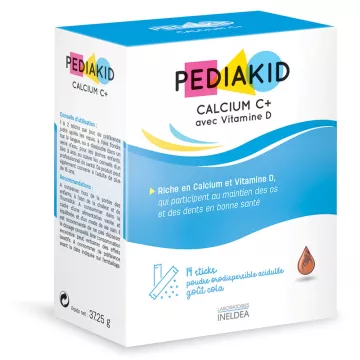
Nutritional requirements for bone growth vary by age—and are often underestimated during puberty, a period of accelerated growth. Our calcium line and our selection of vitamin D products offer formulas tailored to each age group.
- Calcium: peak requirement during adolescence—1,300 mg/day recommended for ages 9 to 18 (HAS)—milk, dairy products, green vegetables (broccoli, kale), and calcium-enriched mineral waters are the best dietary sources
- Vitamin D3: essential for intestinal calcium absorption and bone mineralization — deficiency is common among children and adolescents with limited sun exposure — 800–1,000 IU/day for adolescents
- Phosphorus: a structural cofactor of calcium in the bone matrix—intake is generally sufficient through the Western diet (meat, fish, legumes)
- Protein: forms the collagen matrix of bone — insufficient intake is associated with reduced peak bone mass — 1.0–1.2 g/kg/day for active adolescents
- Silicon: stimulates bone collagen synthesis — a complementary supplement for rapidly growing children
What role do hormones play in bone growth?
Hormones orchestrate bone growth with remarkable precision—their dysregulation can compromise bone development even with optimal nutrition.
- Growth hormone (GH) and IGF-1: directly stimulate chondrocyte division in the epiphyseal plates—secreted primarily during deep sleep—sleep deprivation in adolescents directly reduces GH levels and can affect growth
- Thyroid hormones: regulate the rate of bone maturation—untreated hypothyroidism in children leads to delayed growth and bone maturation
- Estrogens and testosterone: trigger puberty and the growth spurt—then accelerate the closure of the epiphyseal plates (cessation of growth)
- Growth delay in height and weight in children: always have a pediatric endocrinologist evaluate the child before starting supplementation
How can bone growth in children and adolescents be optimized on a daily basis?
- High-impact physical activity: jumping, running, team sports—mechanical stress stimulates osteoblasts and maximizes peak bone mass—cumulative effect: bones benefit from regular activity throughout childhood and adolescence
- A diet rich in calcium and vitamin D: meet nutritional needs primarily through diet—use supplements as a backup if documented insufficient intake
- Limit carbonated beverages and sodas: phosphoric acid binds to calcium in the blood and can divert minerals away from bone mineralization if consumed in excess
- Adequate sleep: 8–10 hours for adolescents—growth hormone (GH) is secreted primarily during deep sleep—insufficient sleep directly impairs growth
- Tobacco use in adolescents: reduces periosteal vascularization and intestinal calcium absorption—has a measurable impact on peak bone mass