0
Menu
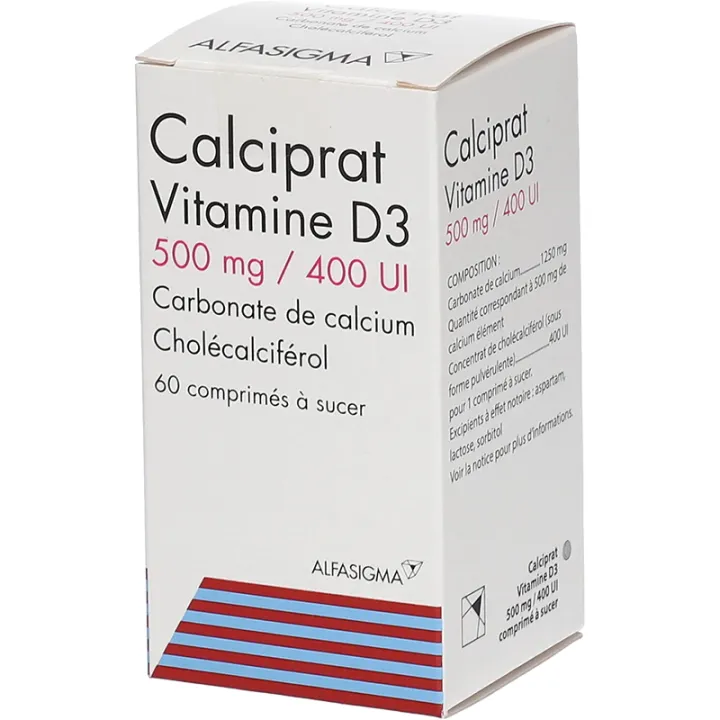
Calciprat Calcium sucking tablets do not Calciprat Calcium sucking tablets do not
Over-the-counter medication

Calciprat Calcium sucking tablets do not

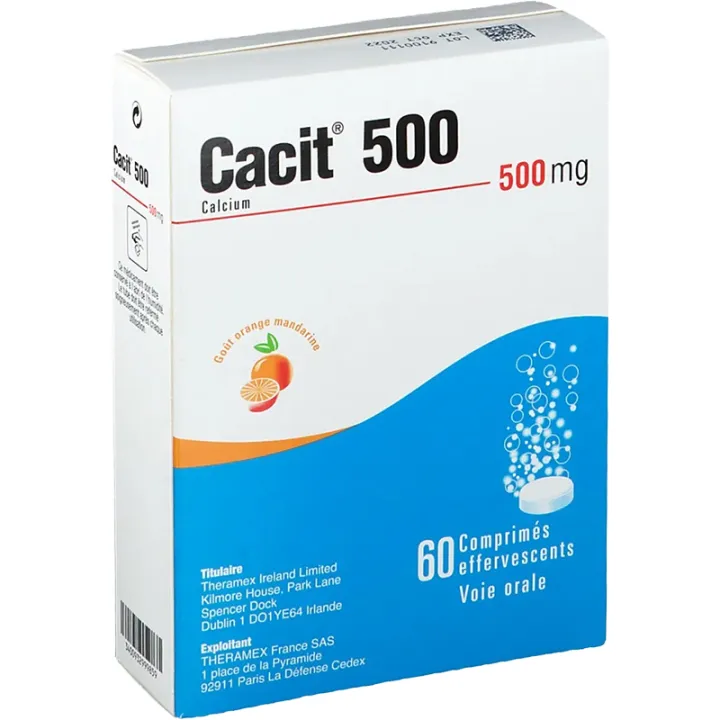
Calciprat Calcium chewable tablets correct calcium deficiencies from the age of 6. It can be used during growth, pregnancy, breastfeeding or to prevent osteoporosis. Its chewable form makes it easy to take without water.

€7.83 EXCL. VAT €7.99 INCL. VAT
Not in stock Out of stock Secure payment
Reference : 3400933877262
You must be logged in to add this product to a list. Customer login
See delivery conditions

Our doctors of pharmacy advise you

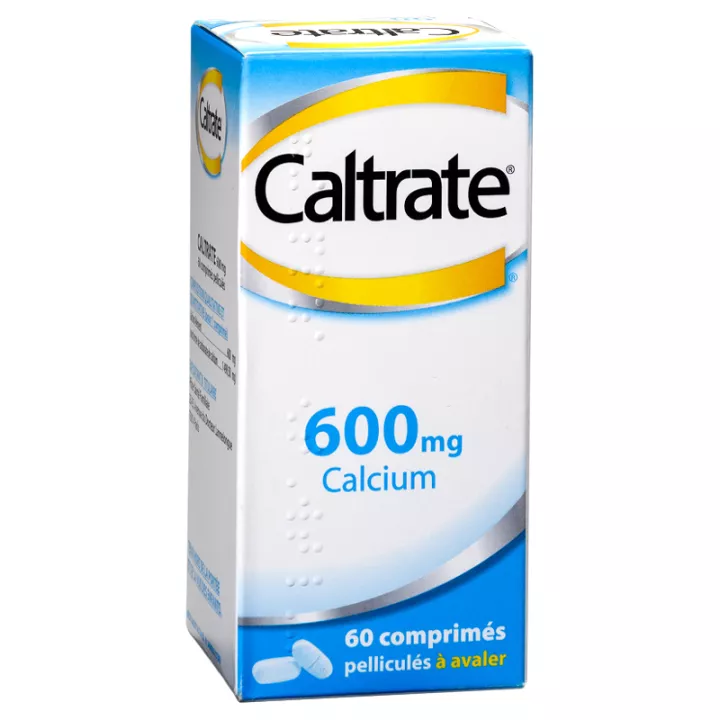
Caltrate 600 mg Calcium 60 tablets Caltrate 600 mg Calcium 60 tablets
€6.97
Shipped within 24h
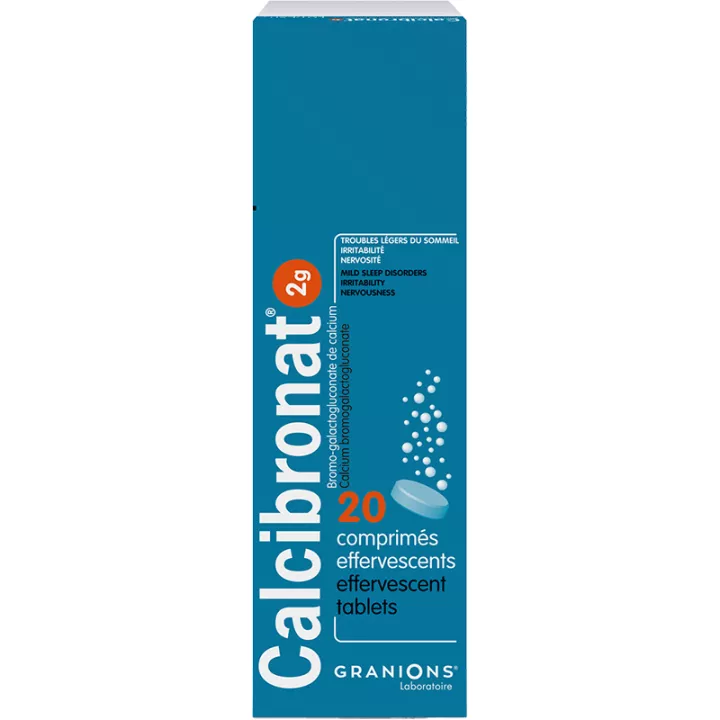
Calcibronat Granions 2g Calcium 20 Effervescent Tablets Calcibronat Granions 2g Calcium 20 Effervescent Tablets
€9.99
Shipped within 24h
Granions CALCIBRONAT Calcium 60 tablets for stress Granions CALCIBRONAT Calcium 60 tablets for stress
€26.57
Shipped within 24h
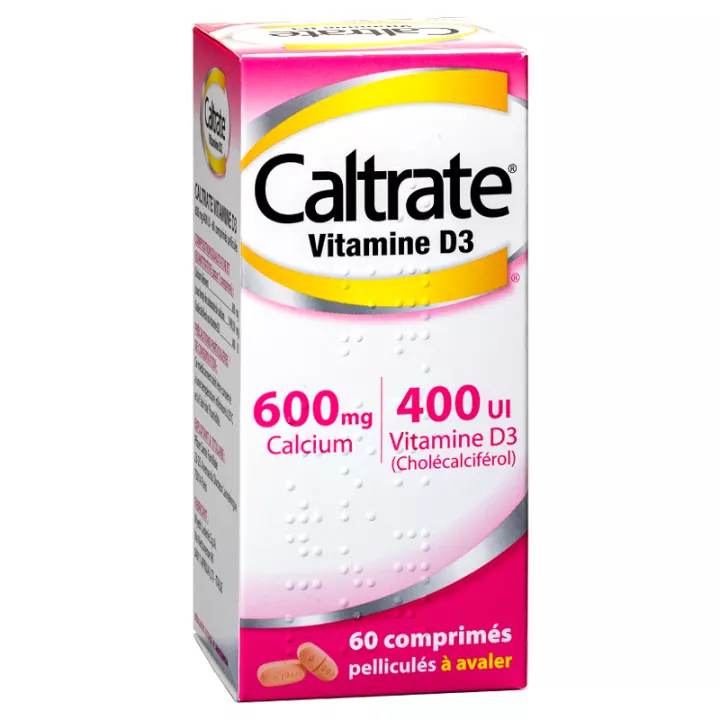
Caltrate Calcium Vitamin D3 600 mg/400 IU 60 tablets Caltrate Calcium Vitamin D3 600 mg/400 IU 60 tablets
€6.97
Shipped within 24h
Cacit Calcium tablets Cacit Calcium tablets
500 mg 1000 mg
€7.99
Add to cart
Replenishment in progress

What are Calciprat Calcium chewable tablets used for?

Calciprat 500 mg chewable tablets are a calcium carbonate-based medicine, indicated for the prevention and treatment of calcium deficiency. This treatment is recommended for children during the growth period, for pregnant or breast-feeding women on medical advice, and as adjunctive treatment for osteoporosis in adults.

Calcium plays an essential role in many physiological processes: it is involved in bone mineralization, blood coagulation, muscle contraction and nerve impulse transmission. Sufficient intake is essential to ensure a strong skeleton, particularly during periods of growth or age-related bone demineralization.

In children and adolescents, Calciprat helps cover the increased calcium requirements associated with bone growth. In adults, it helps maintain bone mineral density, particularly in patients at risk of osteoporosis. The concomitant administration of calcium and vitamin D may be indicated in certain situations, on medical prescription.

In pregnant or breast-feeding women, calcium supplementation may be considered, depending on dietary intake and increased needs during periods of nutritional deficiency. In this context, Calciprat should only be used under medical advice.

Calciprat's chewable tablet format, which does not require the intake of water, facilitates administration to children and adults with swallowing difficulties.

This product can also be used to compensate for calcium deficiency due to digestive malabsorption, an unbalanced diet or increased requirements. It is an integral part of the overall management of phosphocalcic metabolism, in line with current recommendations.

We also offer an effervescent form of Calcium, at the best price in our online pharmacy.

How to use this medicine in case of calcium deficiency?

Adults: 1 to 1.5 g of elemental calcium per day, i.e. 2 to 3 chewable tablets per day.
Children: 500 mg to 1 g of elemental calcium per day, i.e. 1 to 2 suckable tablets per day.
Tablets should be sucked slowly. Use in pregnant or breast-feeding women only on medical advice.

Give your opinion on the advice for use and dosage of Calciprat Calcium tablets to suck with our partner Avis Vérifiés after your purchase.

Precautions for use

  • Contraindicated in cases of hypersensitivity to any of the ingredients.
  • Do not use in cases of hypercalcemia, hypercalciuria or calcium lithiasis.
  • Not recommended for patients with phenylketonuria.
  • In the event of prolonged immobilization with hypercalcemia, treatment should be interrupted and resumed on mobilization.
  • The product contains terpene derivatives. At high doses, it may induce convulsions in infants and children. Medical advice required in case of history of epilepsy.
  • Prolonged treatment requires regular monitoring of calciuria.
  • Any concomitant vitamin D or calcium supplementation must be medically supervised.
  • Beware of drug interactions, particularly with digitalis, tetracyclines, sodium fluoride, biphosphonates or vitamin D.
  • Not recommended during breast-feeding, except on medical advice.

What is the composition of this Calcium product?

Calcium Carbonate, Xylitol, Povidone K30, Lactose Monohydrate, Aspartame, Levomenthol, Mint Flavor, Talc, Magnesium Stearate, Peppermint Essential Oil, Gum Arabic, Maltodextrin, Sorbitol.

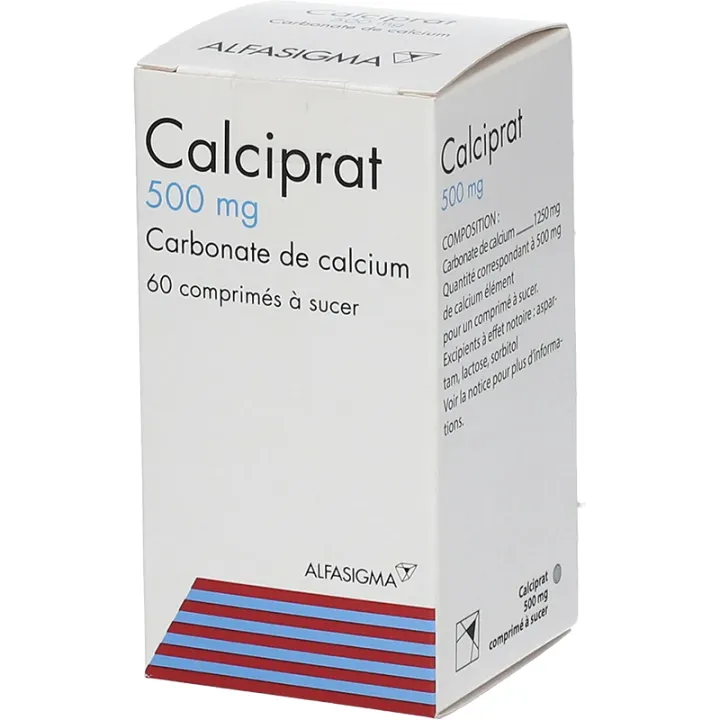
For a 500 mg sucking tablet: Calcium carbonate ................1250mg, amount corresponding to elemental calcium ............500mg

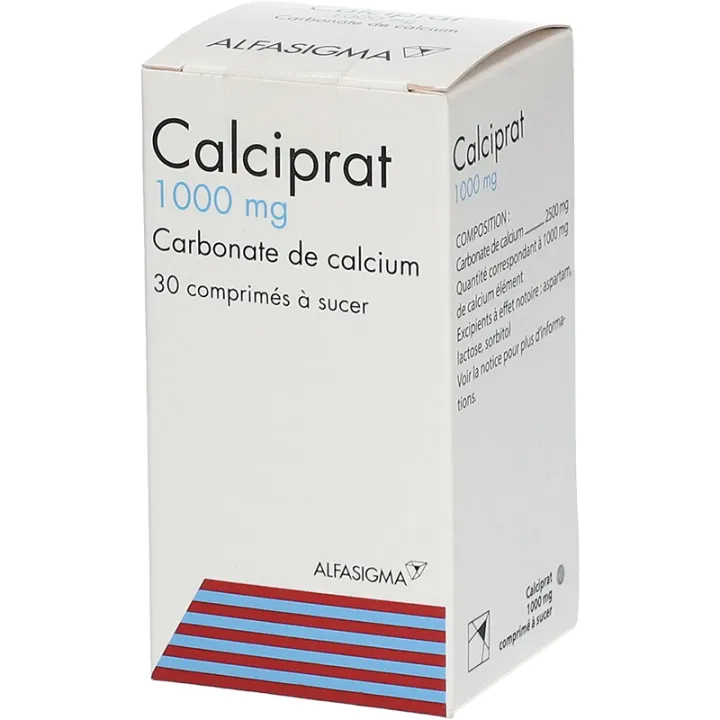
For a 1000 mg lollipop tablet : Calcium carbonate ................2.500mg, amount corresponding to calcium element ............1000mg

Presentation :

Box of 60 chewable tablets. Available at the best price from our online pharmacy.

Expert advice

Calcium supplementation remains an important preventive measure in many pathophysiological situations. In pharmacies, this product is commonly recommended in association with vitamin D supplementation, as part of a targeted approach to bone health. The well-tolerated, suckable form makes it easy to administer, even for people with swallowing difficulties. This galenic format meets the need for practicality without compromising calcium intake. This product is an integral part of validated strategies for managing calcium deficiencies.

FAQ

How do I use Calciprat Calcium tablets on a daily basis?
Slowly suck 1 to 3 tablets a day, according to the dosage indicated by your healthcare professional. This medicine is to be taken without water.

Is Calciprat Calcium tablets compatible with other medications?
This product may interact with certain drugs such as digitalis or tetracyclines. Medical advice is required in the event of concomitant treatment.

How long can I take Calciprat Calcium chewable tablets?
The duration of treatment depends on calcium requirements and the clinical context. Regular medical supervision is required for prolonged use.

Pharmacovigilance Report an adverse drug reaction(s)

Download PDF leaflet

NOTICE

ANSM - Updated on : 11/01/2024

Product name

CALCIPRAT 500 mg, sucking tablet

Sidebar

Please read this leaflet carefully before taking this medicine. It contains important information for your treatment.

If you have any further questions, please ask your doctor or pharmacist.

- Keep this leaflet as you may need to read it again.

- If you need more information or advice, ask your pharmacist.

- If symptoms worsen or persist, consult your doctor.

- If you notice any side effects not mentioned in this leaflet, or if you experience any of the effects mentioned as serious, please tell your doctor or pharmacist.

Leaflet summary

In this leaflet :

1. WHAT IS CALCIPRAT 500 mg, chewable tablet AND WHAT IS IT USED FOR?

2. WHAT DO YOU NEED TO KNOW BEFORE TAKING CALCIPRAT 500 mg, Sucking Tablet?

3. HOW DO I TAKE CALCIPRAT 500 mg, Sucking Tablet?

4. WHAT ARE THE POSSIBLE SIDE EFFECTS?

5. HOW TO USE CALCIPRAT 500 mg Sucking Tablets?

6. ADDITIONAL INFORMATION

1. WHAT IS CALCIPRAT 500 mg SUCKABLE TABLET AND WHAT IS IT USED FOR?

Pharmacotherapeutic class

DRUG ACTIVE ON CALCIUM BALANCE.

(A: digestive system and metabolism)

Therapeutic indications

This medicine is indicated for calcium deficiency, particularly during growth in children, pregnancy and breast-feeding, and as adjunctive treatment for certain osteoporoses.

2. WHAT DO I HAVE TO KNOW BEFORE TAKING CALCIPRAT 500 mg, chewable tablet?

List of information required before taking the medicine

Not applicable.

Contraindications

Never take CALCIPRAT 500 mg, sucking tablet in the following cases:

- hypersensitivity to any of the ingredients,

- abnormally high levels of calcium in the blood (hypercalcemia),

- exaggerated elimination of calcium in the urine (hypercalciuria),

- kidney stones (calcium lithiasis),

- phenylketonuria (a hereditary disease caused by an enzyme deficiency that prevents the breakdown of the amino acid phenylalanine).

In the event of prolonged immobilization accompanied by hypercalciuria and/or hypercalcemia, treatment should be discontinued. It should only be resumed when mobilization is resumed.

IF IN DOUBT, ASK YOUR DOCTOR OR PHARMACIST FOR ADVICE.

Precautions for use; special warnings

Use CALCIPRAT 500 mg with caution:

Warnings

This product contains terpene derivatives in the formula which, in excessive doses, may cause neurological accidents such as convulsions in infants and children.

Follow recommended dosage and duration of treatment(see Dosage).

Precautions for use

Use this product WITH CAUTION in case of:

- of prolonged treatment, it is necessary to have the quantity of calcium eliminated in the urine (calciuria) checked regularly. Depending on the results, your doctor may decide to reduce or discontinue your treatment,

- additional administration of high doses of calcium and vitamin D, under strict medical supervision.

- associated treatment with digitalis, tetracyclines, vitamin D, sodium fluoride, biphosphonate.

IF IN DOUBT, ASK YOUR DOCTOR OR PHARMACIST FOR ADVICE.

In case of old or recent epilepsy, SEEK ADVICE FROM YOUR DOCTOR.

Interactions with other drugs

Taking or using other medicines

If you are taking or have recently taken any other medicines, including medicines obtained without a prescription, talk to your doctor or pharmacist.

Interactions with food and drink

Not applicable.

Interactions with herbal products or alternative therapies

Not applicable.

Use during pregnancy and breast-feeding

Pregnancy and breast-feeding

If you are breast-feeding, do not use this product.

Sportsmen

Not applicable.

Effects on ability to drive vehicles or use machines

Not applicable.

List of excipients

List of excipients with a notorious effect:

Lactose, aspartam.

Terpene derivatives(see What are the possible side effects?).

3. HOW TO TAKE CALCIPRAT 500 mg, sucking tablet

Instructions for proper use

Not applicable.

Dosage, Method and/or route(s) of administration, Frequency of administration and Duration of treatment

Dosage

Adults:

General calcium deficiency and adjunctive treatment of osteoporosis: 1 to 1.5 g daily, i.e. 2 to 3 tablets.

Children:

Calcium deficiency during growth: 500 mg to 1 g daily, i.e. 1 to 2 tablets.

Method of administration

Oral administration.

Symptoms and instructions in case of overdose

Not applicable.

Instructions in case of missed dose(s)

Not applicable.

Risk of withdrawal syndrome

Not applicable.

4. WHAT ARE THE POSSIBLE SIDE EFFECTS?

Description of side effects

Like all medicines, CALCIPRAT 500 mg, sucking tablet is likely to have undesirable effects, although not everyone is subject to them.

- constipation,

- bloating,

- nausea.

TELL YOUR DOCTOR OR PHARMACIST ABOUT ANY UNWANTED OR BOTHERSOME EFFECTS NOT MENTIONED IN THIS LEAFLET.

Due to the presence of terpene derivatives and if the recommended doses are not followed:

- risk of convulsions in children and infants,

- possibility of agitation and confusion in the elderly.

Reporting side effects

If you experience any side effects, please tell your doctor, pharmacist or nurse. This also applies to any side effects not mentioned in this leaflet. You can also report adverse reactions directly via the national reporting system: Agence nationale de sécurité du médicament et des produits de santé (ANSM) and the network of Centres Régionaux de Pharmacovigilance - Website: https: //signalement.social-sante.gouv.fr/

By reporting adverse reactions, you are helping to provide more information on drug safety.

5. HOW TO USE CALCIPRAT 500 mg chewable tablet?

Keep out of the reach and sight of children.

Expiration date

Do not use CALCIPRAT 500 mg, sucking tablet after the expiration date stated on the box or bottle.

Storage conditions

No special storage precautions.

If necessary, warnings against certain visible signs of deterioration

Medicines must not be disposed of down the drain or with household waste. Ask your pharmacist what to do with unused medicines. These measures will help protect the environment.

6. FURTHER INFORMATION

Complete list of active ingredients and excipients

What is in CALCIPRAT 500 mg, sucking tablet?

The active substance is:

Calcium carbonate ................................................................................................................ 1250.00 mg

Quantity corresponding to elemental calcium ................................................................................... 500.00 mg

For one tablet.

Other components are:

Xylitol, povidone (K 30), lactose monohydrate, aspartam, levomenthol, mint flavoring*, talc, magnesium stearate.

*Compositionof mint flavor: peppermint essential oil, gum arabic, maltodextrin, sorbitol.

Pharmaceutical form and contents

What is CALCIPRAT 500 mg chewable tablet and what does it contain?

This medicine comes in the form of a chewable tablet. Box of 60.

Name and address of marketing authorization holder and manufacturing authorization holder responsible for batch release, if different

Holder

ALFASIGMA FRANCE

Operator

ALFASIGMA FRANCE

Manufacturer

LABORATOIRES MACORS

ZI Plaines des Isles

89000 AUXERRE

Product names in member states of the European Economic Area

Not applicable.

Date of approval of the package leaflet

This leaflet was last approved on {date}.

MA under exceptional circumstances

Not applicable.

Internet information

Detailed information on this medicine is available on the Afssaps (France) website.

Information reserved for healthcare professionals

Not applicable.

Other

Not applicable.

VIDAL DE LA FAMILLE

CALCIPRAT

Updated August 09, 2024
Drug family: Mineral element: calcium

Indications

This medicine contains a high level of calcium, the main constituent of bone.

It is used in cases of increased calcium requirements (growth period, pregnancy, breast-feeding) or bone decalcification (osteoporosis occurring after menopause, long-term cortisone treatment).

Presentations

CALCIPRAT 500 mg: suckable tablet (white; mint flavoring); box of 60
Optional prescription - 65% reimbursable - Price: €5.29
CALCIPRAT 1000 mg : Sucking tablet (mint-flavored) ; box of 30
Optional prescription - 65% reimbursable - Price: € 5.29

Prices do not include dispensing fees.

Composition

p cpp cp
Calcium carbonate1,255 g2,5 g
i.e. Calcium500 mg1000 mg
Aspartam++
Lactose++
Sorbitol++

Contraindications

This medicine must not be used in the following cases:
  • excess calcium in the blood or urine,
  • calcium lithiasis,
  • prolonged immobilization (wait until you can walk again before starting treatment),
  • phenylketonuria (presence of aspartam).

Warning

Excessive calcium intake can be dangerous, particularly in cases of renal failure. Do not use without medical advice.

When this medicine is intended to treat bone decalcification due to prolonged immobilization, treatment should not be started before walking is resumed.

Calcium is sometimes combined with vitamin D, which promotes its absorption; blood tests may be prescribed to check for the absence of abnormal calcium accumulation in the body.

Drug interactions

Interact with cyclins, biphosphonates, thyroid hormones, iron-, zinc- or strontium-containing drugs at least 2 hours apart.

Tell your pharmacist or doctor if you are taking a medicine containing digoxin or a diuretic (e.g. hydrochlorothazide).

There are also food interactions: foods known to be rich in oxalic acid (spinach, rhubarb, sorrel, cocoa, tea) or phytic acid (chocolate, wholegrain cereals, pulses) may reduce calcium absorption. It is therefore recommended to take this medicine at a distance from meals containing these foods.

Fertility, pregnancy and breast-feeding

Calcium intake during pregnancy or breast-feeding should not exceed 1,500 mg per day.

Directions for use and dosage

Tablets should be sucked.

The 1000 mg dosage is not suitable for children under 10 years of age.

Usual dosage :

  • Adults: 1 to 1.5 g calcium per day, i.e.: 2 or 3 tablets at 500 mg, or 1 or 2 tablets at 750 mg, or 1 tablet at 1000 mg per day.
  • Children: 500 mg to 1 g per day, i.e.: 1 or 2 tablets at 500 mg, or 1 tablet at 750 mg, or 1 tablet at 1000 mg per day.

Advice

Taking this medicine does not exempt you from regularly consuming dairy products, which are naturally rich in calcium.

Possible side effects

Constipation, bloating, nausea.

In the event of prolonged, high-dose treatment: hypercalcemia, hypercalciuria (excess calcium in urine, which can lead to kidney stones).

LEXICON

bloating

Accumulation of air or gas in the intestine.

See article: Bloating, flatulence and aerophagia

calculus

Concretion (stone) that forms in the excretory tracts of certain organs: urinary, biliary and salivary tracts.

Synonym: lithiasis.

constipation

Slowing of intestinal transit, resulting in fewer bowel movements.

See article: Constipation in adults or Constipation in babies and children.

cortisone

Hormone secreted by the adrenal glands. It helps regulate sugars, fats and proteins in the body, as well as the body's reaction to stress. Its powerful anti-inflammatory properties are used therapeutically. Natural cortisone is called cortisol (which can be measured by blood tests). Hydrocortisone is the medicinal form closest to natural cortisone, and is mainly used in the replacement treatment of diseases caused by cortisone deficiency. Other, more potent chemical derivatives are used when an anti-inflammatory effect is required: prednisone, prednisolone, betamethasone, dexamethasone, etc.

hypercalcemia

Excess calcium in the blood, due to disease or the use of certain medications (excess vitamin D).

hypercalciuria

Abnormal increase in calcium in the urine.

renal insufficiency

Inability of the kidneys to eliminate waste products or drug substances. Advanced renal failure does not necessarily mean a reduction in the quantity of urine eliminated. Only a blood test and creatinine level can reveal this condition.

lactose

Lactose is a sugar found in milk and certain milk derivatives. To digest it, the intestine must be able to secrete an enzyme called lactase. Many people lose the ability to produce lactase in adulthood. Lactose then passes into the intestine undigested, and its presence causes intestinal problems such as diarrhoea, bloating and gas. Some medicines contain lactose as an excipient (a component with no therapeutic activity). People who do not digest lactose may suffer adverse intestinal effects when taking this type of medication.

lithiasis

Concretion (stone) that forms in the excretory tracts of certain organs: urinary, biliary and salivary tracts.

Synonym: calculus.

menopause

Gradual cessation of menstrual cycles, which occurs in women around the age of 50. Menopause is due to a sharp drop in hormone secretion by the ovaries. It can also be the result of surgical removal of the ovaries or drug treatment.

See article: Menopause

osteoporosis

Fragility of the bones, which become porous and brittle.

See article: Osteoporosis.

phenylketonuria

Hereditary disease characterized by the absence of an enzyme, leading to the accumulation of a toxic product in the blood. It is systematically detected at birth. Treatment is based on a specific diet during infancy.

sorbitol

Sorbitol is a sugar found in certain fruits (prunes, for example). Because it has fewer calories than industrial sugar (sucrose), it is used as a sweetener (under the acronym E420) but also as a stabilizer, for example in certain medicines. During digestion, sorbitol is converted into fructose (fruit sugar). Some people have difficulty digesting fructose, and consequently experience intestinal problems (diarrhoea) when ingesting products containing sorbitol.

Advice from our naturopaths

Optimise your bone health naturally with Shilajit Optimise your bone health naturally with Shilajit

Bone health is crucial to maintaining optimal mobility and quality of life, particularly as we age. Among the emerging natural solutions, shilajit stands out as a traditional and scientifically validated remedy offering remarkable benefits for strengthening and protecting bones. This article explores the mechanisms and benefits of shilajit in the context of osteoporosis prevention and bone regeneration. What are the…

Read the article on the blog
Risk factors for joint pain Risk factors for joint pain

Osteoarthritis is the main joint pathology, but it is complex because it is influenced by a variety of factors. Age, excess weight, the menopause and other rheumatic conditions such as chondrocalcinosis play a key role in its onset. Genetically, there is a well-established family predisposition. Local factors also contribute to its development. Although the genetic aspect is predominant, the onset…

Read the article on the blog
Micronutrition, the basis of recommendations to combat osteoporosis Micronutrition, the basis of recommendations to combat osteoporosis

Osteoporosis, a skeletal disease that weakens the bones, affects around 5.5% of the French population, according to Inserm. Particularly prevalent in women after the menopause, it increases the risk of fractures, with a considerable impact on quality of life. Faced with this public health challenge, micronutrition offers a natural and effective approach to strengthening bone structure and preventing fractures. The…

Read the article on the blog
Natural Health Advice

Order a selection of products frequently purchased by our customers