What is calcium absorption, and how does it differ from calcium intake?
You can consume enough calcium and absorb very little of it— calcium absorption depends on a chain of cofactors, and without them, dietary or supplemental calcium is largely useless for the bones. Discover our calcium and bone absorption line, formulated with these essential cofactors.
- Intestinal absorption: On average, 25–35% of dietary calcium is absorbed— vitamin D3 can increase this rate to 60–80%—without it, most of the calcium is excreted in the stool
- Blood transport: Once absorbed, calcium circulates in the blood bound to proteins— magnesium regulates this intracellular transport
- Bone mineralization: Vitamin K2 activates osteocalcin (an osteoblast protein) that “cements” calcium into the bone matrix—without K2, circulating calcium may be deposited in the arteries rather than in the bones
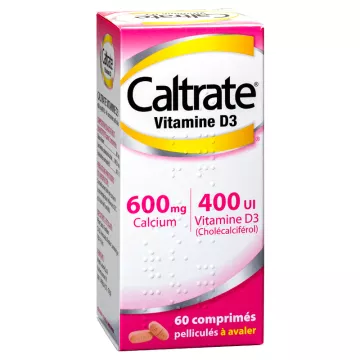
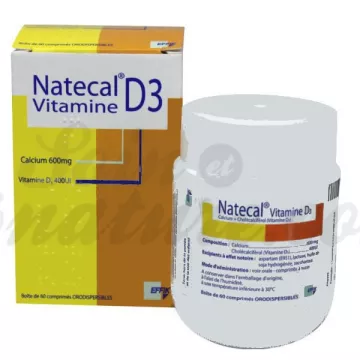
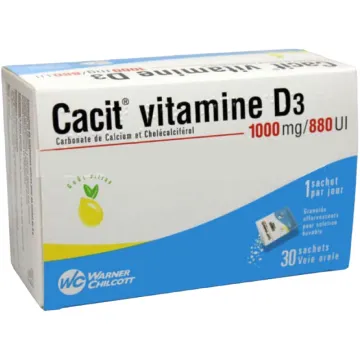
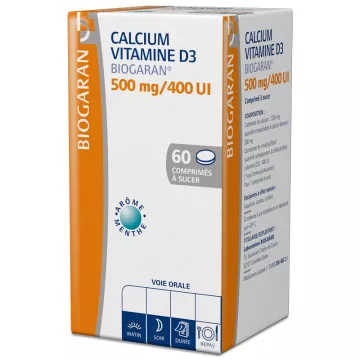
- Calcium intake without D3 or K2 is therefore insufficient—the combined calcium + D3 + K2 formulas in our bone-remineralizing line are designed with this in mind
What are the essential cofactors for proper calcium absorption?
Calcium absorption is a multi-step process requiring several nutrients working in synergy—each link is essential.
- Vitamin D3: stimulates the synthesis of calbindin (an intestinal calcium transport protein) and activates osteoblasts—deficiency is very common in France, especially in winter—serum target: ≥ 30 ng/mL—see our vitamin D line
- Vitamin K2 (MK-7): activates osteocalcin and MGP (Matrix Gla Protein)—directs calcium toward bones and teeth and away from arteries and soft tissues—100–200 μg/day—often insufficient in the Western diet
- Magnesium: cofactor for vitamin D3 (hepatic and renal hydroxylation)—without magnesium, vitamin D3 cannot be activated—300–400 mg/day
- Vitamin C: a cofactor in bone collagen synthesis — the collagen matrix is essential for calcium to be deposited into it
- Organic silicon: stimulates the synthesis of type I collagen and improves the integration of minerals into the bone protein matrix
What factors reduce calcium absorption and uptake?
Certain common factors silently undermine calcium fixation even with proper supplementation.
- Excess protein and salt: increase urinary calcium excretion—limit excessively high-protein diets and highly processed, high-sodium foods
- Phytic and oxalic acids: found in whole grains, legumes, and spinach—chelate calcium in the digestive tract—soaking and cooking legumes significantly reduces this effect
- Excess phosphorus (sodas, phosphate additives): disrupts the calcium-to-phosphorus ratio and stimulates PTH—see our bone health page
- Excess caffeine: moderately increases urinary calcium excretion—significant impact only at very high doses (>4 cups of coffee per day)
- Long-term corticosteroid therapy: reduces intestinal calcium absorption and increases renal calcium excretion—systematic calcium + D3 supplementation is recommended during any long-term corticosteroid treatment
Which form of calcium should you choose for optimal absorption?
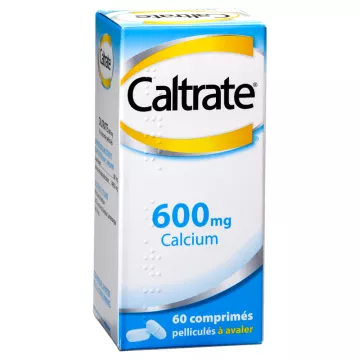
- Calcium carbonate: the most concentrated form (40% elemental calcium) — good absorption with meals (requires gastric acidity) — less well absorbed on an empty stomach or in people with low gastric acidity
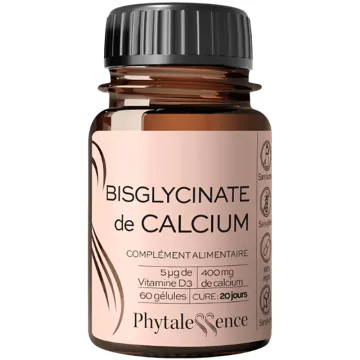
- Calcium citrate: 21% elemental calcium but better absorbed on an empty stomach and in older adults—recommended during treatment with proton pump inhibitors (PPIs)
- Calcium gluconate and lactate: well tolerated, less concentrated — liquid forms are often used in children
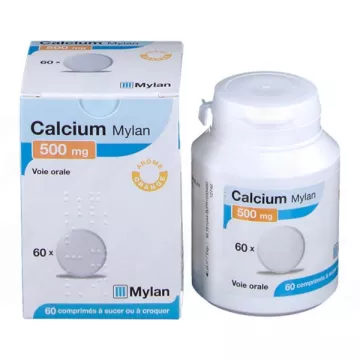
- Divide doses: maximum 500 mg of elemental calcium per dose—beyond this, intestinal absorption reaches saturation—take in 2–3 doses to optimize daily intake