0
Menu
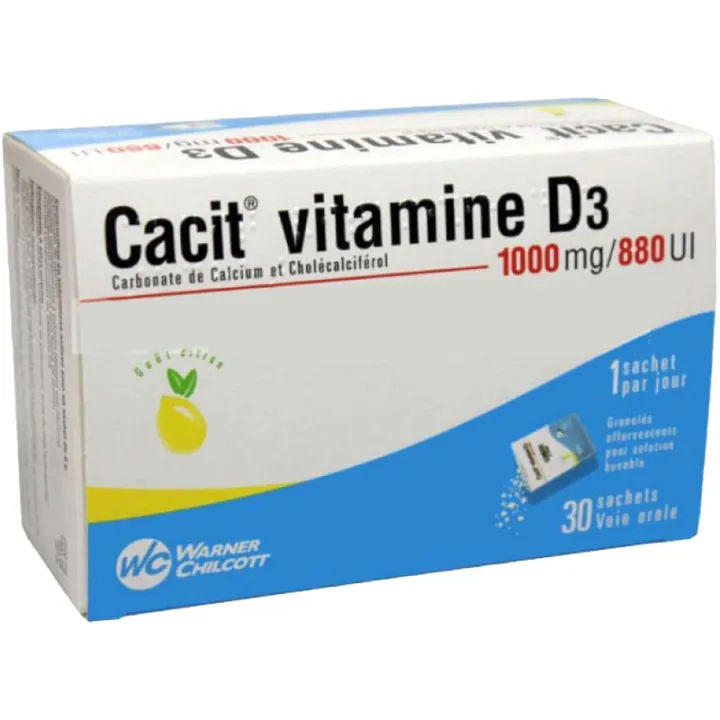
Cacit Calcium Vitamin D3
Over-the-counter medication

Cacit Calcium Vitamin D3

Brand : OCP OCP

Cacit Calcium Vitamin D3 in lemon-flavored sachets is ideal for combating calcium and vitamin D deficiencies, particularly in the elderly or as a preventive measure against osteoporosis. Its easy-to-dilute drinkable format and balanced dosage make it a practical, effective and pleasant solution for maintaining bone health on a daily basis.

€7.83 EXCL. VAT €7.99 INCL. VAT
This product is an over-the-counter medication. Please consult the package insert before ordering online.
In stock Shipped within 24h Secure payment
Reference : 3400933878733
You must be logged in to add this product to a list. Customer login
See delivery conditions

Our doctors of pharmacy advise you

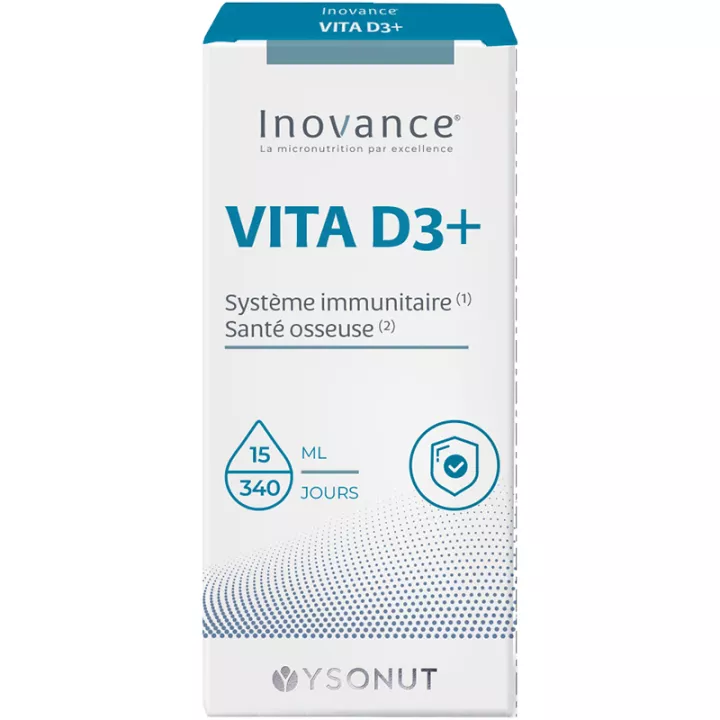
Inovance Vitamin D3 Osteoporosis Growth 15 ml Inovance Vitamin D3 Osteoporosis Growth 15 ml
€16.95
Shipped within 24h
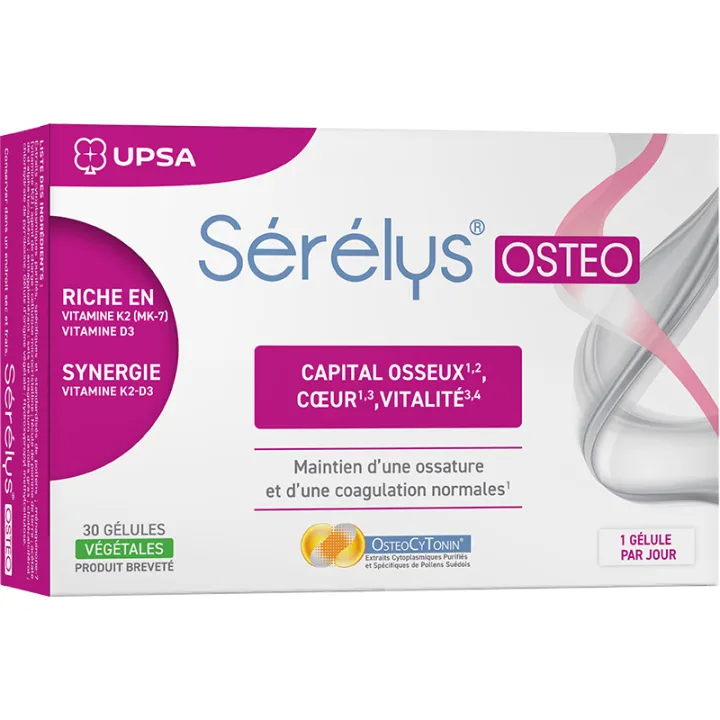
Sérélys Ostéo Capital Osseux 30 vegetarian capsules Sérélys Ostéo Capital Osseux 30 vegetarian capsules
€25.99
Shipped within 24h
Herbalgem Complexe Osteogem GC13 Capital Osseux Bio 30 ml Herbalgem Complexe Osteogem GC13 Capital Osseux Bio 30 ml
€15.79
Shipped within 24h
Lescuyer Vitamin D3 1000IU Immune System & Bone Capital 20ml Lescuyer Vitamin D3 1000IU Immune System & Bone Capital 20ml
€25.30
Shipped within 24h

What is Cacit Calcium Vitamin D3 used for?

When it comes to bone health, certain nutrients stand out. Calcium, of course, but also vitamin D, a precious ally in promoting its absorption and fixation on the bones. Cacit Calcium Vitamin D3 combines these two essential elements in a convenient, easy-to-take format. It's not just a dietary supplement, but a targeted, supportive medication designed to meet the specific needs of people facing calcium or vitamin D deficiency, particularly seniors.

With age, the body struggles to absorb calcium efficiently. As a result, bones become more fragile, and the risk of fractures increases. This product acts as a genuine preventive support. It acts in depth to reduce the effects of bone demineralization and prevent pathologies linked to prolonged deficiency, notablyosteoporosis. Thanks to its balanced calcium and vitamin D content, it optimizes the metabolic environment required for effective remineralization.

But that's not all. It can also be used as an adjunctive treatment for osteoporosis, a silent but formidable bone disease responsible for numerous complications. Cacit Calcium Vitamin D3, as a complement to a basic treatment, reinforces bone density, stabilizes bone mass loss and promotes better maintenance of body posture, a key factor in daily comfort andindependence.

This medication is also very useful in preventing nutritional deficiencies. In subjects at risk (the elderly, unbalanced diet, insufficient sun exposure, etc.), it offers a simple, well-tolerated solution for maintaining plasma calcium and vitamin D levels within the norm. A single daily dose is enough to rebalance nutritional intake, without upsetting eating habits.

Its effervescent,lemon-flavored sachet format adds considerable comfort to treatment compliance. No tablets to swallow with difficulty: simply dilute, mix and drink. This sensory detail makes the treatment not only more pleasant, but also more regular. And good compliance is the key to optimal efficacy.

Finally, this product is part of a global health approach. It's not just a one-off treatment, it's part of a complete care routine designed to preserve mobility, bone balance and quality of life. It enables users to age more serenely, with strong bones and protected mineral capital.

In conclusion, Cacit Calcium Vitamine D3 is much more than just a nutritional supplement: it's a daily ally in the fight against bone fragility, a partner in the prevention and support of osteoporosis, and a support in maintaining calcium/vitamin D balance.

To effectively complement this action, Calcium Mylan 500 mg 60 Tablets can also be recommended as targeted support, particularly as part of a background treatment against age-related bone demineralization.

How to use this osteoporosis supplement?

It can be taken at any time of day, before, during or after a meal. However, it is advisable to take it with certain foods that may interact with calcium absorption, such as products rich in oxalates or phytates. The standard dose is1 sachet a day, to be diluted in a large glass of water. Pour out the contents of the sachet, add water, stir thoroughly and drink the solution. This simple dosage encourages regular intake, essential for optimum results in daily treatment of vitamin D and calcium deficiency.

Give your opinion on the advice for use and dosage of Cacit Calcium Vitamine D3 with our partner Avis Vérifiés after your purchase.

Precautions for use:

  • Do not use in case of excess calcium in the blood (hypercalcemia) or urine (hypercalciuria).
  • Do not use if you have a history of calcium-containing urinary stones.
  • In the event of prolonged immobilization, wait until you can walk again before starting treatment.
  • This product is contraindicated in cases of severe renal insufficiency.
  • Tablets contain aspartam: not recommended for people with phenylketonuria.
  • Beware of vitamin D accumulation: overdosage can lead to serious side effects (nausea, pain, heart rhythm disorders, etc.).
  • Do not combine with other vitamin D-containing drugs without medical advice, including self-medication.
  • Blood tests may be required to monitor calcium levels during treatment.
  • In case of sarcoidosis or mild/moderate renal insufficiency, medical supervision is required.
  • Do not exceed the prescribed duration of treatment.
  • Pregnant or breast-feeding women may use 500 mg/440 IU tablets, but not sachets or 500 mg/1000 IU tablets, as their vitamin D content is too high.
  • In the event of pregnancy, avoid taking several sources of vitamin D at the same time, to prevent hypercalcemia harmful to the foetus.

What does it contain?

Calcium, Calcium carbonate, Colécalciférol, Colécalciférol concentré, Colécalciférol concentré pulvérulent, Aspartam, Sorbitol, Potassium, Saccharose

Presentation:
Cacit Vitamine D3 1000 mg/880 IU comes in effervescent granules for drinking solution, packaged in boxes of 30 lemon-flavoured sachets, a practical format for dilution which is ideal for people with swallowing difficulties or looking for an alternative to tablets.

Pharmacovigilance Report an adverse drug reaction(s)

Download PDF leaflet

NOTICE

ANSM - Updated on: January 9, 2025

Drug Name

CACIT VITAMIN D3 1000 mg/880 IU, effervescent granules for oral solution in a sachet

Calcium carbonate/cholecalciferol

Box

Please read this package insert carefully before taking this medication, as it contains important information for you.

You should always take this medicine exactly as described in this leaflet or as directed by your doctor, pharmacist, or nurse.

· Keep this leaflet. You may need to read it again.

· Ask your pharmacist for advice or information.

· If you experience any side effects, tell your doctor, pharmacist, or nurse. This also applies to any side effects not listed in this leaflet. See Section 4.

· You should contact your doctor if you do not feel any improvement or if you feel worse.

What is in this package insert?

1. What is CACIT VITAMIN D3 1000 mg/880 IU, effervescent granules for oral solution in a sachet, and what is it used for?

2. What information should you know before taking CACIT VITAMIN D3 1000 mg/880 IU, effervescent granules for oral solution in a sachet?

3. How should you take CACIT VITAMIN D3 1000 mg/880 IU, effervescent granules for oral solution in a sachet?

4. What are the possible side effects?

5. How should you store CACIT VITAMIN D3 1000 mg/880 IU, effervescent granules for oral solution in sachets?

6. Package contents and other information.

1. WHAT IS CACIT VITAMIN D3 1000 mg/880 IU, effervescent granules for oral solution in a sachet, AND WHAT IS IT USED FOR?

CACIT VITAMIN D3 contains two active ingredients: calcium carbonate and cholecalciferol (vitaminD3).

This medication is used in older adults to treat calcium and vitamin D deficiencies. It is also used in combination with osteoporosis treatments in patients who are deficient in or at high risk of vitamin D and calcium deficiency.

2. WHAT INFORMATION SHOULD YOU KNOW BEFORE TAKING CACIT VITAMIN D3 1000 mg/880 IU, effervescent granules for oral solution in a packet?

Never take CACIT VITAMIN D3 1000 mg/880 IU, effervescent granules for oral solution in a sachet:

· if you are allergic to the active ingredients or any of the other ingredients in this medication, listed in Section 6,

· if you have a disease and/or condition that has caused high levels of calcium in your urine (hypercalciuria) or in your blood (hypercalcemia),

· if you have kidney stones,

· if you have high levels of vitamin D in your blood (hypervitaminosis D).

Warnings and Precautions

Consult your doctor or pharmacist before taking CACIT VITAMIN D3:

· if you have impaired kidney function or are prone to developing kidney stones. If your kidneys are not functioning properly, your treatment will need to be closely monitored to ensure that calcium does not build up in your blood,

· if you have sarcoidosis (an inflammatory disease of unknown origin characterized by the formation of lumps in various locations),

· if you are a bedridden patient with osteoporosis.

If you are on long-term treatment, your doctor may want to check your blood calcium levels from time to time and collect urine samples to monitor your kidney function. Depending on the results, your doctor may reduce the dose or decide to discontinue treatment.

Children and Adolescents

CACIT VITAMIN D3 is not intended for use in children.

Other Medications and CACIT VITAMIN D3 1000 mg/880 IU, effervescent granules for oral solution in a packet

Tell your doctor or pharmacist if you are taking, have recently taken, or might take any other medications.

Consult your doctor if you are taking any of the following medications:

· heart medications such as digoxin or other digitalis preparations,

· bisphosphonates or sodium fluoride (medications used to treat bone problems),

· thiazide diuretics,

· phenytoin or barbiturates (medications used to treat epilepsy),

· glucocorticoids,

· tetracycline antibiotics,

· other medications containing vitamin D or calcium.

Calcium salts may reduce the absorption of iron, zinc, and strontium ranelate. Therefore, iron-, zinc-, or strontium ranelate-based preparations should be taken at least two hours before or after CACIT VITAMIN D3.

CACIT VITAMIN D3 1000 mg/880 IU, effervescent granules for oral solution in a packet—with food, beverages, and alcohol

This medication may interact with certain foods containing oxalic acid (e.g., spinach and rhubarb), phosphates (e.g., wheat bran), or phytic acid (e.g., whole grains) because they may reduce the absorption of the calcium contained in CACIT VITAMIN D3.

Pregnancy, Breastfeeding, and Fertility

If you are pregnant or breastfeeding, if you think you might be pregnant, or if you are planning a pregnancy, consult your doctor or pharmacist before taking this medication.

Due to the high vitamin D content, this product is not recommended during pregnancy or while breastfeeding. In pregnant women, calcium and vitamin D overdoses should be avoided, as persistent hypercalcemia can have adverse effects on the developing fetus.

CACIT VITAMIN D3 may be used while breastfeeding, but your doctor should be informed, as calcium and vitamin D are excreted in breast milk. This should be taken into account if your child is receiving supplemental vitamin D.

Driving and Operating Machinery

CACIT VITAMIN D3 is not likely to affect your ability to drive or operate machinery

CACIT VITAMIN D3 1000 mg/880 IU, effervescent granules for oral solution in a sachet, contains potassium, sodium, sorbitol, and sucrose

· This medication contains 4.2 mmol of potassium ( 163 mg) in each sachet. This should be taken into account by patients with renal insufficiency or those on a controlled potassium diet.

· This medication contains less than 1 mmol (23 mg) of sodium per packet, meaning it is essentially “sodium-free.”

· CACIT VITAMIN D3 contains 1.1 mg of sorbitol in each packet.

· If your doctor has told you that you have an intolerance to certain sugars, contact them before taking this medication. May be harmful to teeth.

3. HOW TO TAKE CACIT VITAMIN D3 1000 mg/880 IU, effervescent granules for oral solution in a sachet?

Always take this medication exactly as described in this leaflet or as directed by your doctor, pharmacist, or nurse. Check with your doctor, pharmacist, or nurse if you have any questions.

Adults

Pour the contents of the packet into a glass, add plenty of water, stir, and drink immediately after the fizzing stops. The recommended dose is one packet per day.

Your doctor or pharmacist will tell you how many sachets to take per day.

If you have taken more CACIT VITAMIN D3 1000 mg/880 IU effervescent granules for oral solution in a sachet than you should have

If you take an excessive dose of this medication, the following symptoms may occur: nausea, vomiting, intense thirst, more frequent urination, and constipation. If such effects occur, notify your doctor immediately so they can take the necessary measures.

In the event of prolonged overdose, calcifications may develop in the blood vessels or tissues.

If you forget to take CACIT VITAMIN D3 1000 mg/880 IU, effervescent granules for oral solution in a sachet

Do not take a double dose to make up for the dose you missed.

If you have any other questions about the use of this medication, ask your doctor, pharmacist, or nurse for more information.

4. WHAT ARE THE POSSIBLE SIDE EFFECTS?

Like all medicines, this medicine can cause side effects, although not everyone gets them.

You may experience an allergic reaction. If you develop a rash, itching, difficulty breathing, or swelling of the face, lips, throat, or tongue, stop taking this medication immediately and seek medical attention right away.

Uncommon (may affect up to 1 in 100 people):

· high levels of calcium in the blood (hypercalcemia). Symptoms include nausea, vomiting, loss of appetite, constipation, stomach pain, bone pain, intense thirst, increased urination, muscle weakness, drowsiness, and confusion;

· increased calcium levels in the urine (hypercalciuria).

Rare (may affect up to 1 in 1,000 people):

· constipation, flatulence, nausea, abdominal pain, diarrhea;

· itching, rash, and hives.

Frequency unknown (cannot be estimated based on available data)

· Burnett’s syndrome, which is associated with high blood calcium levels (hypercalcemia), elevated blood pH (alkalosis), and kidney failure.

Reporting Side Effects

If you experience any side effects, talk to your doctor, pharmacist, or nurse. This also applies to any side effects not listed in this package insert. You can also report side effects directly through the national reporting system: the French National Agency for Medicines and Health Products Safety (ANSM) and the network of Regional Pharmacovigilance Centers—Website: www.signalement-sante.gouv.fr.By reporting adverse reactions, you help provide more information on the safety of this medication.

5. HOW SHOULD CACIT VITAMIN D3 1000 mg/880 IU, effervescent granules for oral solution in a sachet, be stored?

Keep this medication out of the sight and reach of children.

Do not use this medicine after the expiration date printed on the box after “EXP.” The expiration date refers to the last day of that month.

Store at a temperature not exceeding 25 °C.

Do not dispose of any medication down the drain or with household trash . Ask your pharmacist how to dispose of medications you no longer use. These measures will help protect the environment.

6. PACKAGE CONTENTS AND OTHER INFORMATION

What CACIT VITAMIN D3 1000 mg/880 IU, effervescent granules for oral solution in a sachet contains

· The active ingredients are:

Calcium carbonate............................................................................................... 2500.00 mg

Amount corresponding to elemental calcium ............................................ 1000.00 mg, or 25 mmol

Concentrated cholecalciferol in powder form.............................................................. 880 IU

Amount corresponding to cholecalciferol (Vitamin D3)..................................................... 22 µg

Per 8 g sachet.

Other ingredients are: citric acid, malic acid, gluconolactone, maltodextrin, sodium cyclamate, sodium saccharin, lemon flavoring (containing: sorbitol), rice starch, potassium carbonate, sodium ascorbate, all-rac-alpha-tocopherol, modified starch, sucrose, medium-chain triglycerides, and anhydrous colloidal silica.

What is CACIT VITAMIN D3 1000 mg/880 IU, effervescent granules for oral solution in sachets and outer packaging contents

8 g per sachet (Paper/Aluminum/PE). Box of 10 (for samples), 20, 30, 46, 50, or 100 sachets, and multipack of 90 (3 boxes of 30) sachets.

Not all strengths may be marketed.

Marketing Authorization Holder

THERAMEX IRELAND LIMITED

3RD FLOOR, KILMORE HOUSE

PARK LANE, SPENCER DOCK

DUBLIN 1, D01YE64,

IRELAND

Marketing Authorization Holder

THERAMEX FRANCE

83 Avenue Charles de Gaulle

92200 NEUILLY-SUR-SEINE

Manufacturer

HERMES PHARMA Ges M.b.H

SCHWIMMSCHULWEG 1a

9400 WOLFSBERG

AUSTRIA

Trade names of the drug in the Member States of the European Economic Area

This medicinal product is authorized in the Member States of the European Economic Area under the following names: In accordance with current regulations.

[to be completed later by the marketing authorization holder]

The date this package insert was last revised is:

[to be completed later by the marketing authorization holder]

Other

Detailed information about this medication is available on the ANSM (France) website.

VIDAL FOR THE FAMILY

CACIT VITAMIN D3

Information updated on January 5, 2024
Drug class: Vitamin D with calcium

Indications

This medication contains calcium and vitamin D, which helps the intestines absorb calcium and facilitates its incorporation into the bones.

It is used for:
  • the treatment of vitamin D and calcium deficiencies in older adults,
  • the prevention of vitamin D and calcium deficiencies (500 mg/1,000 IU tablet),
  • the adjunctive treatment of osteoporosis when combined calcium and vitamin D supplementation is necessary.

Forms

CACIT VITAMIN D3 500 mg/440 IU: chewable or suckable tablet (apricot flavor); box of 60
Prescription optional—65% reimbursable —Price: €5.29
CACIT VITAMIN D3 500 mg/1000 IU: chewable or suckable tablet (orange flavor); box of 60
Prescription optional—65% reimbursable —Price: €5.29
CACIT VITAMIN D3 1000 mg/880 IU: effervescent granules for oral solution (lemon flavor); box of 30 sachets
Prescription optional—65% reimbursable —Price: €5.29
CACIT VITAMIN D3 1000 mg/880 IU: effervescent granules for oral solution (lemon flavor); box of 90 sachets
Prescription optional—65% reimbursable —Price: €14.98

The prices listed do not include the pharmacist’s “dispensing fee.”

Composition

per tabletper tabletper packet
Calcium (as calcium carbonate)500 mg500 mg1000 mg
Cholecalciferol (vitamin D3)440 IU1,000 IU880 Ul
Aspartame++
Sorbitol+++
Sucrose+++
Potassium163 mg

Contraindications

This medication should not be used in the following cases:
  • excess calcium in the blood or urine,
  • calcium-containing urinary tract stones,
  • prolonged immobilization (wait until the patient is able to walk again before starting treatment),
  • severe renal insufficiency (500 mg/1000 IU tablet),
  • phenylketonuria (tablets: contain aspartame).

Warning

This medication contains vitamin D: an overdose can lead to serious side effects. Vitamin D is present in many medications, some of which are available over the counter: avoid combining them without medical advice.

Precautions are necessary in cases of sarcoidosis or renal insufficiency.

Do not continue treatment beyond the prescribed duration; a blood test may be necessary to ensure there is no abnormal accumulation of calcium in the body.

When this medication is used to treat decalcification caused by prolonged bed rest, treatment should not be started until the patient has resumed walking.

Drug Interactions

Due to the presence of calcium, allow at least a 2-hour interval between taking this medication and taking cyclines, bisphosphonates, thyroid hormones, or medications containing ciprofloxacin, norfloxacin, iron, zinc, strontium, or estramustine.

Also, inform your pharmacist or doctor if you are taking an anticonvulsant, a digitalis, a diuretic, rifampin, or orlistat.

There are also food interactions: foods known to be high in oxalic acid (spinach, rhubarb, sorrel, cocoa, tea) or phytic acid (chocolate, whole grains, legumes) can reduce calcium absorption. It is therefore recommended to take this medication away from meals containing these foods.

Fertility, Pregnancy, and Breastfeeding

The 500 mg/440 IU tablets may be used by pregnant or breastfeeding women, but the dosage prescribed by the doctor must not be exceeded. Hypercalcemia during pregnancy could be harmful to the unborn child. Be sure not to take multiple medications containing vitamin D during pregnancy.

Due to their high vitamin D content, the 500 mg/1000 IU tablets and sachets are not suitable for pregnant or breastfeeding women.

Directions for Use and Dosage

This medication can be taken at any time, with or without food. However, it should be taken separately from certain foods (see Interactions).

Tablets: They can be chewed or sucked.

Sachet: Pour the contents of the sachet into a glass, add a generous amount of water, stir, then drink the resulting solution.

Usual Dosage:

  • Adults: 2 tablets of 500 mg/440 IU or 1 tablet of 500 mg/1000 IU or 1 packet per day.

Advice

Taking this medication does not replace the need for regular consumption of dairy products, which are naturally rich in calcium.

Possible side effects

Uncommon: hypercalcemia, hypercalciuria (excess calcium in the urine, which may contribute to kidney stones).

Rare: constipation, nausea, bloating, diarrhea, stomach pain, itching, hives.

Frequency unknown: angioedema.

GLOSSARY

anticonvulsant

A medication used to treat seizures and various forms of epilepsy. Anticonvulsants are classified as barbiturates (phenobarbital) and non-barbiturates, which are the most commonly used today.

bloating

An accumulation of air or gas in the intestine.

See the article: Bloating, Flatulence, and Aerophagia

stone

A concretion (stone) that forms in the excretory tracts of certain organs: urinary, biliary, and salivary tracts.

Synonym: lithiasis.

Deficiency

A deficiency usually involving nutrients, vitamins, minerals, etc. A varied diet is the best way to prevent deficiencies.

constipation

A slowing of intestinal transit resulting in less frequent bowel movements.

See the article: Constipation in Adults or Constipation in Infants and Children

cyclines

A class of antibiotics used primarily to treat acne and certain genital infections.

diarrhea

The strict medical definition of diarrhea is “excessively frequent and voluminous bowel movements.” In common parlance, however, diarrhea is equated with frequent, watery stools. Normally, stools are paste-like, but the passage of watery or barely formed stools—without pain or any specific associated symptoms—is not considered pathological. Diarrhea is diagnosed when liquid bowel movements occur repeatedly throughout the day, and the urge to defecate is urgent or painful.

Many medications can speed up intestinal transit and make stools more liquid, without this side effect being a real cause for concern.

Antibiotics can alter the gut flora, which is essential for digestion, and cause diarrhea that is more or less bothersome but benign. The effect appears immediately or after a few days of treatment. A severe and rare form of diarrhea, pseudomembranous colitis, can occur after antibiotic treatment; this condition is characterized by the passage of mucus and pseudomembranes (resembling shreds of skin) accompanied by abdominal pain; constipation may replace the initial diarrhea. Pseudomembranous colitis can occur several days after stopping antibiotic treatment and requires urgent medical attention.

See the article: Diarrhea and Gastroenteritis in Adults or Diarrhea and Gastroenteritis in Children

digitalis

A class of drugs related to digitalis, a substance derived from purple foxglove (a common plant). Digitalis preparations, used in cardiology, slow the heart rate and strengthen heart contractions.

diuretic

A medication that increases the excretion of water by the kidneys. Most often, this loss of water follows the loss of salts caused by the medication (salidiuretic).

Diuretics are primarily used to treat high blood pressure, although their mechanism of action in this condition is not well understood. They are also prescribed for acute or chronic heart failure, edema, and other rarer conditions.

These medications cause a loss of sodium and potassium (except for certain types known as “potassium-sparing” diuretics). Long-term use therefore requires regular monitoring of blood potassium levels to prevent cardiac complications that could result from hypokalemia (low potassium levels in the blood). Low sodium levels are another possible—though rarer at standard dosages—consequence of long-term diuretic use; this can also be detected through a blood test.

Frequency: unknown

The frequency of an adverse reaction is described in official documents as follows:

  • Very common: observed in more than 1 in 10 patients
  • Common: occurs in fewer than 1 in 10 patients but more than 1 in 100 patients
  • Uncommon: occurs in fewer than 1 in 100 patients but more than 1 in 1,000 patients
  • Rare: occurs in fewer than 1 in 1,000 patients but more than 1 in 10,000 patients
  • Very rare: occurs in fewer than 1 in 10,000 patients
  • Frequency unknown: an adverse reaction that is too rare to specify its frequency, or involving a very old medication for which no studies are available to quantify its frequency of occurrence.

The current trend in official documents is to report all bothersome symptoms observed—even exceptionally—in people who have used the drug. Some of these symptoms are actually attributable to the drug, while others may occur during treatment purely by coincidence, even though the drug is likely not responsible.

For the sake of completeness, we have chosen to list all the symptoms enumerated in official documents, although we are aware of the risk of causing unnecessary concern. Providing accurate information to the public remains, however, our top priority. Please be aware that these symptoms are not necessarily caused by the medication.

thyroid hormone

A family of hormones that accelerate metabolism, secreted by the thyroid gland. They can be measured in the blood and are called T3 and T4.

hypercalcemia

Excess calcium in the blood, resulting from a medical condition or the use of certain medications (excess vitamin D).

hypercalciuria

An abnormal increase in calcium levels in the urine.

kidney failure

The kidneys’ inability to eliminate waste products or medications. Advanced kidney failure does not necessarily result in a decrease in urine output. Only a blood test and measurement of creatinine levels can detect this condition.

Osteoporosis

Weakening of the bones, which become porous and brittle.

See the article: Osteoporosis.

Phenylketonuria

An inherited disorder characterized by the absence of an enzyme, leading to the accumulation of a toxic substance in the blood. Screening for this condition is routine at birth. Treatment involves a specific diet during early childhood.

Dosage

The amount and distribution of a medication dose based on the patient’s age, weight, and overall health.

potassium

A mineral present in large quantities in the body.

See also: serum potassium.

Quincke's edema

An allergic reaction that typically affects the face. Quincke’s edema manifests as swelling that can sometimes be dramatic. The eyelids are often the first to be affected. In rare cases where the edema affects the throat, breathing difficulties may occur, and urgent treatment is necessary.

sucrose

Sucrose is the substance that makes up table sugar and industrial sugar found in cookies, cakes, candies, and sugary drinks (a 1.5-liter bottle of soda contains the equivalent of thirty sugar cubes). Some people are intolerant to fructose, which is produced during the digestion of sucrose, and consequently suffer from bloating and diarrhea. Some medications contain sucrose as an excipient (a component with no therapeutic activity).

See the article: Are All Carbohydrates the Same?

Sarcoidosis

A disease of unknown cause that primarily affects young adults and most often presents as simple fatigue.

It causes enlarged lymph nodes and inflammation of the lungs or other organs.

sorbitol

Sorbitol is a sugar found in certain fruits (such as prunes). Because it contains fewer calories than table sugar (sucrose), it is used as a sweetener (under the code E420) but also as a stabilizer, for example in certain medications. During digestion, sorbitol is converted into fructose (fruit sugar). Some people have difficulty digesting fructose and, as a result, experience intestinal problems (diarrhea) when they consume a product containing sorbitol.

UI

Abbreviation for International Unit. A standardized unit of measurement that indicates the activity of a substance.

hives

A rash of hives on the skin, most often caused by an allergic reaction. The hives resemble stings from stinging nettles and range in color from pale pink to red. Hives can appear or disappear within a few minutes and cause intense itching; it can be localized or spread across the entire skin surface. When hives occur daily and no cause can be identified, the condition is referred to as chronic spontaneous urticaria.

vitamin

A substance essential for the growth and proper functioning of the body. Vitamin requirements are normally met through a varied diet. In developed countries, only vitamin D deficiency—in young children or the elderly who have little exposure to sunlight—warrants systematic supplementation. An intake exceeding the body’s needs—particularly through medications—can lead to an overdose and various health problems (primarily vitamins A and D).

See the article: Vitamins.

Route
  • Route (route of administration) used to administer medications: oral, sublingual, subcutaneous, intramuscular, intravenous, intradermal, transdermal.
  • A system of hollow organs through which air (respiratory tract), food (digestive tract), urine (urinary tract), bile (biliary tract), etc., pass.
RELATED SEARCHES WITH NUTRITIONAL DEFICIENCY

Advice from our naturopaths

Magnesium, calcium, chromium, copper, iron and potassium orotates: bio-available mineral salts Magnesium, calcium, chromium, copper, iron and potassium orotates: bio-available mineral salts

Orotates, bioavailable mineral salts? It was the researcher Hans Nieper who discovered the particular properties of orotates at the end of the 1980s. These mineral salts of orotic acid indeed allow optimal mineralization . Orotatesse are found naturally in animal and plant cells. But how do orotates deposit minerals (magnesium, calcium, chromium, iron, lithium, zinc, etc.) at the heart of the cell, directly in the cell nucleus…

Read the article on the blog
Fight against osteoporosis with naturopathy Fight against osteoporosis with naturopathy

Osteology is the part of medicine that deals with bone pathologies; it is the study of bones. Osteoporosis, for example, is a pathology of the musculoskeletal system; it is a bone disorder. Bones play an important role in : The structure of the body Soft tissue support and visceral protection Movement and posture Development of blood cells (haematopoiesis) in the…

Read the article on the blog
How can I prevent osteoporosis by wearing a weighted vest ? How can I prevent osteoporosis by wearing a weighted vest ?

Osteoporosis is a disease that weakens bones, making them more fragile and more likely to fracture. This health problem particularly affects post-menopausal women, due to the drop in oestrogen levels that accelerates the loss of bone density. An innovative and effective way of preventing osteoporosis is to use a weighted vest. This device not only helps to strengthen bone density,…

Read the article on the blog
Natural Health Advice

Order a selection of products frequently purchased by our customers

Mag 2 Magnesium Pidolate 30 Drinkable Phials Mag 2 Magnesium Pidolate 30 Drinkable Phials
€10.99
Shipped within 24h
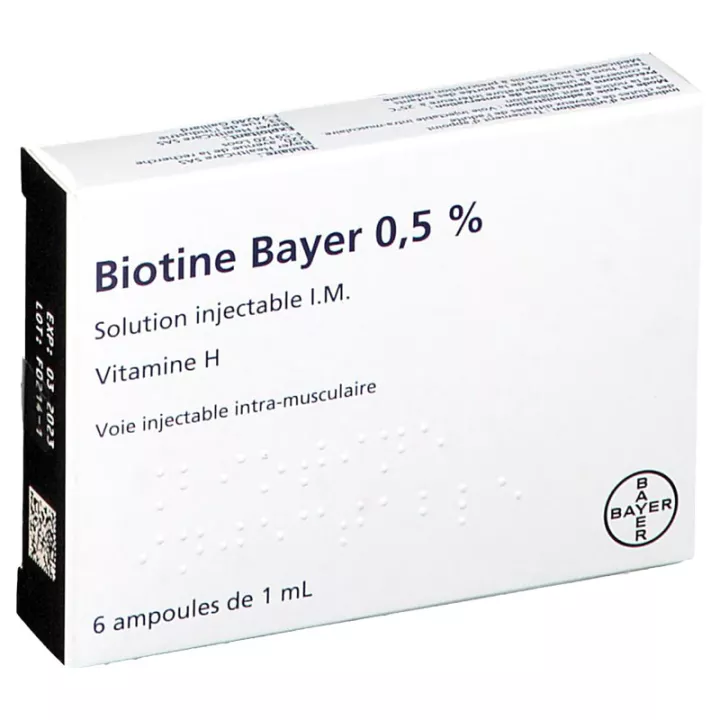
Biotine Bayer 0.5% 6 Ampoules IM Injection Biotine Bayer 0.5% 6 Ampoules IM Injection
€15.99
Add to cart
Shipped within 24h
MagneVie B6 Magnesium 60 Tablets Sanofi MagneVie B6 Magnesium 60 Tablets Sanofi
1 box Set of 2 boxes
€8.45
Add to cart
Ships in 5 to 7 working days
Dissolvurol Silicium Colloidal Silica Drops 100 ml Dissolvurol Silicium Colloidal Silica Drops 100 ml
€6.95
Shipped within 24h