Over-the-Counter Medications: User Guide and Pharmaceutical Advice
How to Use Over-the-Counter Medications?
Over-the-counter medications, also known as direct-access medications, are therapeutic solutions available without a prescription. However, they must be used judiciously and in accordance with the instructions on the package insert. Before taking any medication, it is essential to:
- carefully read the package insert to understand the indications, contraindications, and possible side effects.
- follow the recommended dosage and duration of treatment.
- avoid combining multiple medications containing the same active ingredient to prevent overdose.
- consult a pharmacist if you have any doubts about the use of the medication, especially in cases of chronic conditions, pregnancy, or if you are taking other medications at the same time.
Over-the-counter medications should not be used for extended periods without medical advice. If symptoms worsen or there is no improvement, it is recommended that you consult a healthcare professional.
A Wide Range of Over-the-Counter Medications
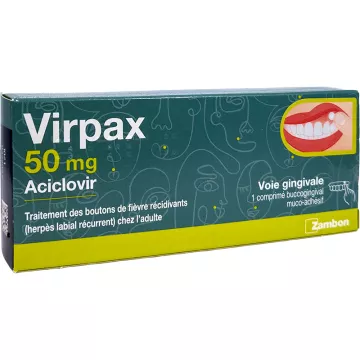
Over-the-counter medications address many everyday health needs. In our online pharmacy, you’ll find a selection that has been rigorously tested and complies with current regulations. Among the categories of over-the-counter medications available:
We are committed to offering you tailored and safe solutions, while providing expert pharmaceutical advice to ensure the responsible use of over-the-counter medications.
Relieve Conditions Treated by Over-the-Counter Medications with Simple Steps
The use of over-the-counter medications can be optimized by adopting simple measures that promote recovery and well-being:
- Pain and inflammation: Apply cold or heat depending on the type of pain (e.g., a cold compress for a sprain, heat for muscle pain).
- Digestive issues: Opt for a light, high-fiber diet and stay well-hydrated.
- Colds and allergies: Rinse your nose with saline solution and ventilate rooms regularly.
- Fatigue: Prioritize restful sleep and avoid stimulants late in the day.
- Oral health issues: Practice thorough oral hygiene with regular brushing and the use of antiseptic mouthwashes.
These habits enhance the effectiveness of medications and can sometimes be enough to prevent symptoms from developing.
Why should you ask your pharmacist for advice before buying an over-the-counter medication?
Our pharmacists are available to guide you in choosing and using over-the-counter medications. They play a vital role in:
- verifying that the medication is appropriate given your medical history and current treatments.
- explain the proper use of the medication to avoid administration errors.
- refer you to a healthcare professional if your symptoms require medical follow-up.
- advising you on non-medication alternatives suited to your situation.
Feel free to contact our online experts for personalized and secure advice.
Our naturopathic recommendations to combine with over-the-counter medications
Incorporating natural remedies into the management of common ailments can enhance the effectiveness of over-the-counter medications and reduce the risk of side effects. Here are recommendations tailored to each type of condition commonly treated through self-medication.
Pain and Inflammation
In addition to pain relievers and nonsteroidal anti-inflammatory drugs (NSAIDs), certain natural alternatives can help reduce inflammation and relieve pain:
- Essential oils: Arnica and wintergreen have analgesic and anti-inflammatory properties. They can be applied topically as a massage oil, diluted in a vegetable oil.
- Herbal medicine: Meadowsweet and turmeric are known for their natural anti-inflammatory effects. Taking them as herbal tea or dietary supplements may be beneficial.
- Cryotherapy and thermotherapy: Applying cold to acute inflammation (e.g., a sprain) or heat to muscle pain promotes recovery.
Digestive Disorders
Medications for digestive disorders (anti-diarrheals, antacids, laxatives) can be combined with natural approaches:
- Digestive herbal teas: Peppermint and ginger are known to soothe digestive issues, particularly bloating and nausea.
- Probiotics: In cases of digestive issues, probiotics help restore balance to the gut flora and promote better digestion.
- Green clay: Absorbent and soothing, it can be used to relieve stomach pain and reduce stomach acidity.
Sleep and Stress
The use of mild sleep aids and relaxing supplements can be complemented by natural methods to promote restful sleep and reduce anxiety:
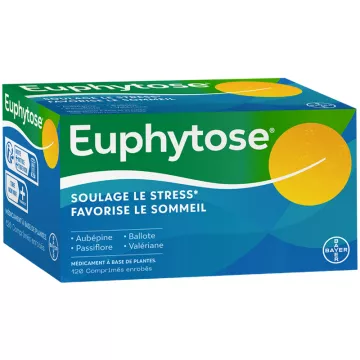
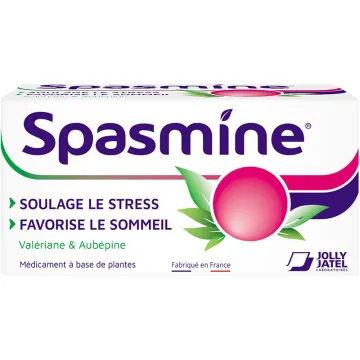
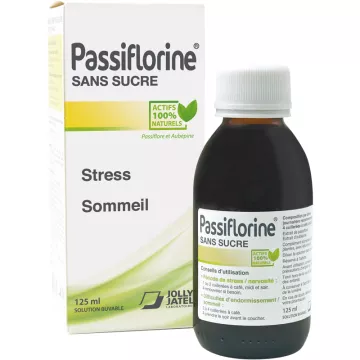
- Relaxing herbs: valerian, passionflower, and hawthorn are known for their sedative effects and their ability to improve sleep quality.
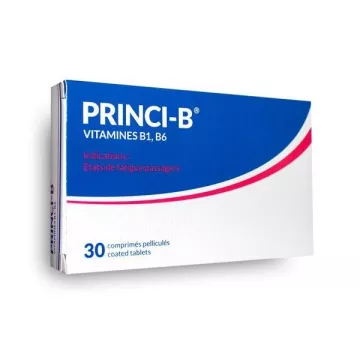
- Magnesium and B vitamins: Marine magnesium combined with vitamin B6 plays a key role in regulating stress and reducing anxiety.
- Relaxation techniques: cardiac coherence, meditation, and yoga help regulate stress and prepare the body for sleep.
Boosting Immunity and Preventing Infections
To strengthen the body’s natural defenses and reduce the risk of infections, several natural alternatives can be considered as a complement to medication:
- Propolis and echinacea: These natural active ingredients are used to boost immunity and prevent seasonal infections (colds, flu).
- Vitamin C and zinc: Taking them as supplements or through your diet promotes a stronger immune response.
- Hydration and humidification: Drinking enough water and humidifying the air helps reduce irritation of the respiratory mucous membranes and lower the risk of ENT infections.
Energy and Vitality
In cases of temporary fatigue or low energy, combining revitalizing medications with natural remedies can be beneficial:
- Royal jelly and spirulina: rich in essential nutrients, they improve vitality and overall energy levels.
- Ginseng and eleuthero: These adaptogenic plants help combat physical and mental fatigue.
- Exposure to natural light: Regular exposure to daylight helps regulate the body’s internal clock and combat seasonal fatigue.
Oral Health
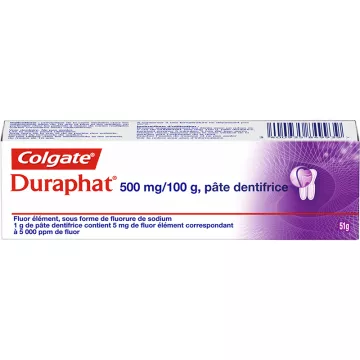
Oral hygiene can be optimized with natural solutions in addition to medicated mouthwashes and toothpastes:
- Baking soda: When used as a mouthwash, it helps reduce oral acidity and prevent cavities.
- Essential oils: Clove oil has analgesic and antiseptic properties that are beneficial for toothaches.
- Activated charcoal: a natural whitener that helps remove toxins and impurities from tooth enamel.
Intimate Well-being and Sexuality
To improve intimate health and promote a healthy balance, certain natural remedies can be used alongside medical treatments:
- Maca and Tribulus terrestris: herbs known for their stimulating effect on libido and sexual vitality.
- Cranberry: effective in preventing urinary tract infections thanks to its antibacterial action that prevents bacteria from adhering to the bladder wall.
- Vegetable oils and probiotics: help maintain the balance of the intimate flora and prevent vaginal dryness.
Prevention of Parasitic Infections
Antiparasitic treatments can be supplemented with natural approaches to reduce the risk of recurrence:
- Antiparasitic essential oils: lavender, tea tree, and neem are effective against lice and skin parasite infestations.
- Apple cider vinegar: a natural repellent against lice, to be applied as a lotion to the hair.
- Pumpkin seeds: Known for their natural deworming properties, they can be incorporated into the diet to help combat intestinal parasites.
Combining medication with natural remedies provides a more comprehensive approach that is better tolerated by the body. However, it is essential to ensure there are no interactions between herbs, dietary supplements, and medications. If in doubt, it is recommended to consult a healthcare professional to optimize treatment.
What medications and medical devices does Soin-et-Nature offer?
Our pharmacy offers a wide range of medical solutions, organized into several categories:
These products, available on Soin-et-Nature, effectively address your health and wellness needs while adhering to a natural and responsible approach.