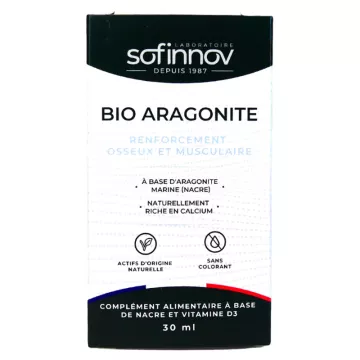
What is bone mass, and how is it built up?
Bone mass refers to the total amount of bone tissue accumulated by an individual—it peaks around age 25–30 and then gradually declines. The higher this peak, the greater the bone reserve available to absorb the physiological loss associated with aging without reaching the fracture threshold. Our line of bone-remineralizing supplements offers products tailored to every stage of life.
- Building phase (ages 0–30): Bone is gradually formed—adolescence is the critical period when 40% of adult bone mass is formed—a calcium-rich diet and weight-bearing physical activity are key
- Maintenance phase (ages 30–50): balanced bone turnover—prevent accelerated bone loss through diet, exercise, and supplements
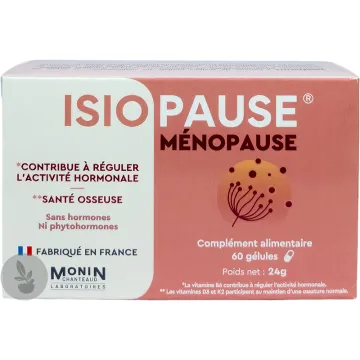
- Loss phase (after age 50): physiological bone loss accelerates—in women, estrogen deficiency during menopause increases the rate of bone loss by a factor of 2 to 5 for 5–10 years
- Genetics determines 60–80% of peak bone mass—but lifestyle and supplementation can optimize genetic potential
Which supplements support bone health?
Bone health depends on several interdependent nutrients— calcium alone is insufficient without its cofactors for absorption and mineralization.
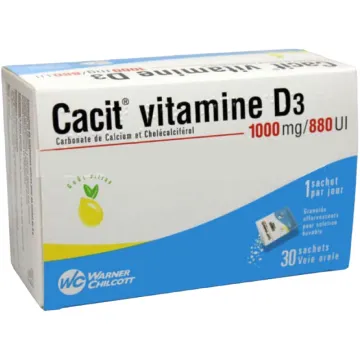
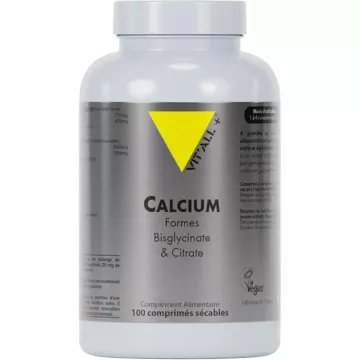
- Calcium: 1,000–1,200 mg/day—the primary structural mineral in bone—divide doses (max 500 mg per dose) to optimize absorption—calcium carbonate with meals, calcium citrate is tolerated on an empty stomach — see our calcium product line
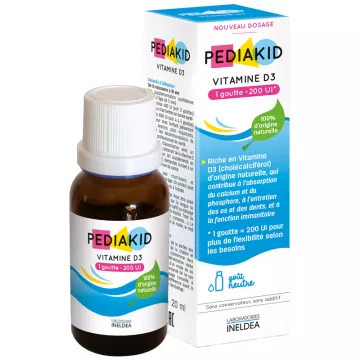
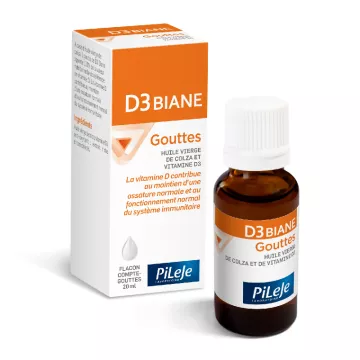
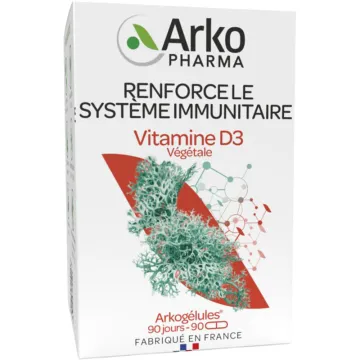
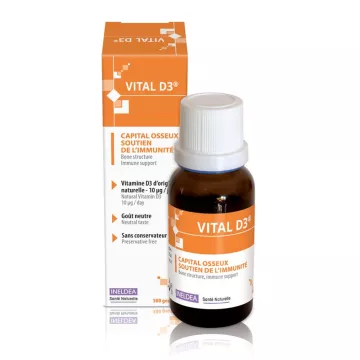
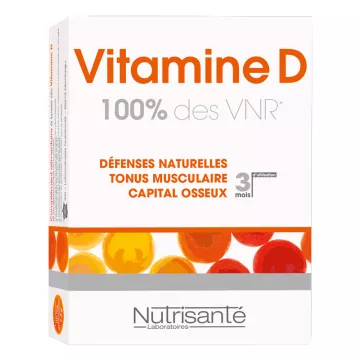
- Vitamin D3: essential for intestinal absorption of calcium and its incorporation into bone—1,000–2,000 IU/day for maintenance, more if deficiency is confirmed—see our vitamin D line
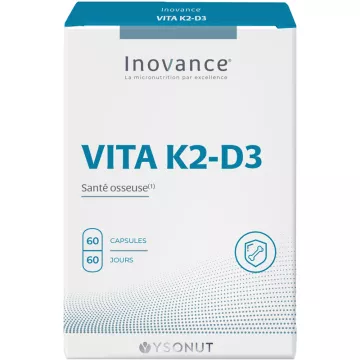
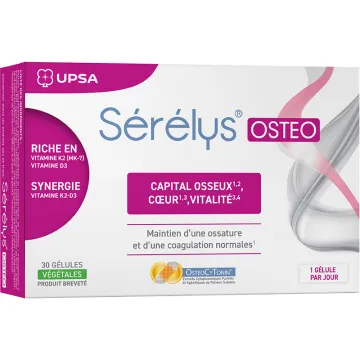
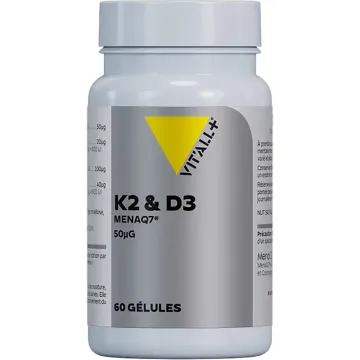
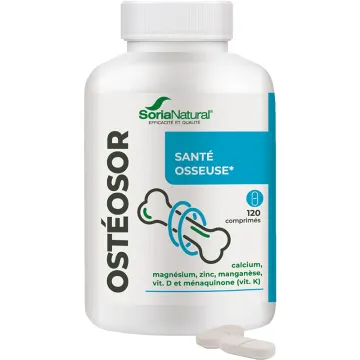
- Vitamin K2 (menaquinone MK-7): directs calcium to the bones rather than the arteries — an often-overlooked but crucial nutrient for preventing vascular calcification — 100–200 μg/day
- Magnesium: a cofactor for vitamin D and bone protein synthesis — 300–400 mg/day — often deficient in the Western diet
- Organic silicon: stimulates bone collagen synthesis and improves mineral integration into the bone matrix
Menopause and Bone Mass: Increased Vigilance Is Essential
Menopause represents the most critical risk window for women’s bone mass — Arnaud, Ph.D. in Pharmacy, emphasizes the need to take proactive measures rather than react after a first fracture.
- Estrogen deficiency disproportionately activates osteoclasts (bone-resorbing cells)—resulting in 2–3% bone loss per year for 5–10 years during perimenopause and postmenopause
- DEXA bone densitometry is recommended at menopause or after age 65—it is the only test that can quantify residual bone mass and assess fracture risk
- Hormone replacement therapy (HRT): effectively protects bone mass if prescribed within the first 10 years of menopause—an individualized medical decision
- Priority supplements in postmenopause: calcium + vitamin D3 + vitamin K2—the standard combination for nonhormonal bone preservation
- Soy isoflavones: phytoestrogens that may help reduce menopausal bone loss—moderate efficacy, well tolerated over 2–3 years—should be discussed with a doctor
What lifestyle choices maximize and preserve bone mass?
- High-impact physical activity: walking, running, jumping rope, team sports — stimulates bone formation through mechanical stress (piezoelectric effect) — 30 minutes, at least 3 times per week
- Strength training and resistance exercises: axial loading exercises (squats, leg press) and resistance exercises (resistance bands, dumbbells)—complementary to cardio activities for comprehensive bone health benefits
- Tobacco: reduces intestinal calcium absorption and accelerates estrogen catabolism—an independent factor accelerating bone loss
- Alcohol: interferes with vitamin D synthesis and inhibits osteoblasts (bone-forming cells) — excessive consumption is associated with a significant reduction in BMD
- For people at risk of fractures, fall prevention (good vision, home modifications, balance, and proprioception) is just as important as bone preservation itself