What is vitamin D deficiency, and who is most affected?
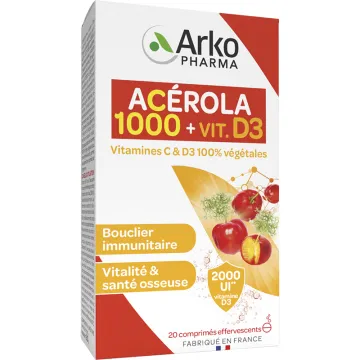
Vitamin D deficiency occurs when the body’s stores of vitamin D3 fall below the level necessary for healthy bones, muscles, and the immune system. In France, 80% of the population has insufficient levels in the winter—it is the most common nutritional deficiency. Check out our vitamin D line at pharmacies and our immune-boosting formulas to effectively address this deficiency.
- Main causes: insufficient sun exposure (from October to March in France, the necessary UV rays are too weak) — a diet low in vitamin D (not enough fatty fish, eggs, or fortified foods) — dark skin (melanin reduces vitamin D synthesis from sunlight) — being overweight (vitamin D is stored in fat and is less readily available) — age over 65 (the skin produces up to four times less vitamin D than at age 20)
- Groups at particularly high risk: breastfed infants (breast milk is very low in vitamin D → supplementation is required from birth) — pregnant women — people living in apartments or with limited mobility — vegans (very few dietary sources of D3) — people on long-term corticosteroid therapy
- Factors that exacerbate deficiency: medications such as antiepileptics, rifampin, or cholestyramine accelerate the breakdown of vitamin D — prolonged use of PPIs reduces the absorption of fat-soluble vitamins in general
- Vitamin D3 deficiency vs. insufficiency: insufficiency (levels of 20–30 ng/mL) can cause fatigue and minor ailments without dramatic symptoms—true deficiency (< 10 ng/mL) leads to documented bone and muscle damage—both conditions warrant treatment
- Distinguish from other causes: fatigue and diffuse pain may also indicate hypothyroidism, magnesium deficiency, or calcium deficiency—a comprehensive evaluation is preferable to blind supplementation
Symptoms and Consequences of Vitamin D Deficiency
- Bone and muscle signs: diffuse bone pain (shins, ribs, pelvis)—unexplained muscle weakness—cramps—in children: rickets (soft bones, leg deformities, growth retardation, delayed closure of the fontanelles)
- Immune system signs: repeated winter infections (colds, bronchitis, flu) that last longer than normal — worsening of autoimmune diseases (polyarthritis, MS, psoriasis)
- Neuropsychological signs: persistent unexplained fatigue — winter blues, irritability, seasonal affective disorder — difficulty concentrating — insomnia — documented link between low vitamin D levels and risk of depression
- Osteoporosis and fractures: Prolonged vitamin D deficiency in adults leads to progressive bone fragility—risk of spontaneous fractures—in older adults: fractures of the femoral neck and vertebrae are the most serious complications
- In children and adolescents: high requirements for bone and dental development—deficiency during growth can have lasting effects on bone mineral density—supplementation recommended through adolescence
Diagnosis, Testing, and Treatment
- Blood test (25-hydroxyvitamin D): the only reliable test to confirm a deficiency—reference ranges: optimal 60–80 ng/mL — insufficiency 20–30 ng/mL — moderate deficiency 10–20 ng/mL — severe deficiency < 10 ng/mL — covered by Social Security if a risk factor is documented
- Correction of a confirmed deficiency: loading dose of 50,000–100,000 IU in a single dose (under medical supervision) to rapidly raise levels — followed by a maintenance dose of 1,000–2,000 IU per day in the fall and winter — blood test 3 months after correction
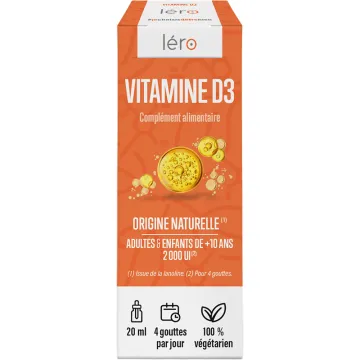
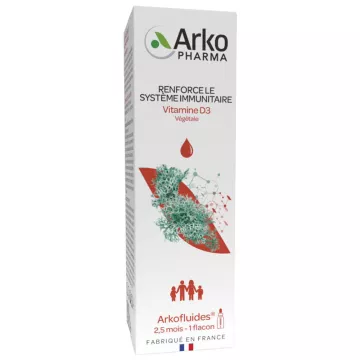
- Vitamin D3 rather than D2: D3 (cholecalciferol) raises blood levels more effectively and for a longer duration than D2 (ergocalciferol)—both correct deficiency, but D3 is the preferred form in clinical practice—a vegan D3 derived from lichen is available for vegans
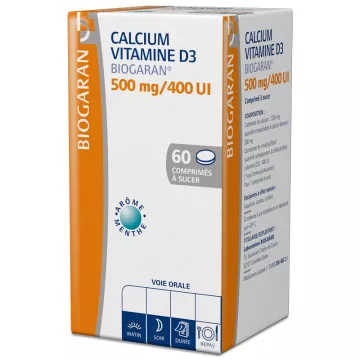
- Essential combinations: vitamin D3 + magnesium (magnesium activates D3; D3 supplementation is not very effective without sufficient magnesium) + calcium if osteoporosis is present + vitamin K2 (directs calcium to the bones, protects the arteries)
- Vitamin D toxicity (excess): rare but possible if doses exceed 10,000 IU/day for several months — accumulation of calcium in the blood (hypercalcemia) → nausea, intense thirst, kidney stones — never take high doses without medical supervision
Prevention, Diet, and Sunlight
- Dietary sources of vitamin D: cod liver oil (450 µg/100 mL — the richest source) — wild salmon (600 IU/100 g) — mackerel (360 IU/100 g) — sardines (270 IU/100 g) — whole eggs (40 IU) — mushrooms exposed to UV light (30–100 IU) — diet alone generally covers only 10–20% of daily requirements
- Optimal sun exposure: 15–30 minutes with bare arms and face in the midday sun during summer is sufficient to meet daily needs — outdoor exercise is the best natural way — indoors, no vitamin D synthesis is possible
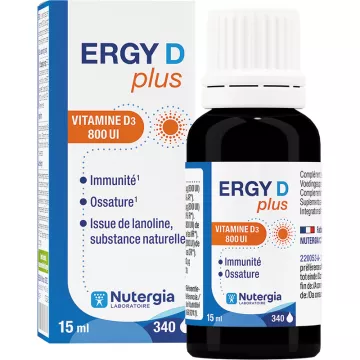
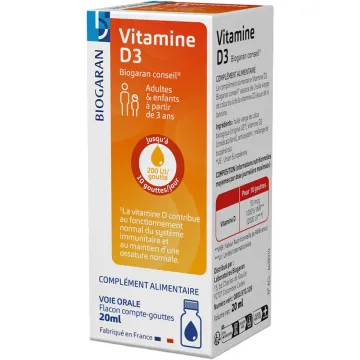
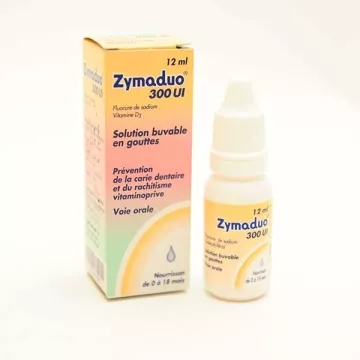
- Preventive supplementation: 1,000–2,000 IU per day from October to March for all adults — 400–1,000 IU from birth for infants (Zymad, Adrigyl, Uvestérol D)—older adults should take 1,500–2,000 IU/day year-round
- Pregnancy: 1,000–2,000 IU per day recommended—vitamin D3 is essential for fetal bone development and the newborn’s immune system—test levels early in pregnancy to adjust supplementation based on actual levels
- Comprehensive approach: daily sun exposure + a diet rich in D3 + targeted winter supplementation + annual blood test in the fall — find the most suitable formulas in our nutritional deficiency product line