What is serum calcium, and how is it regulated?
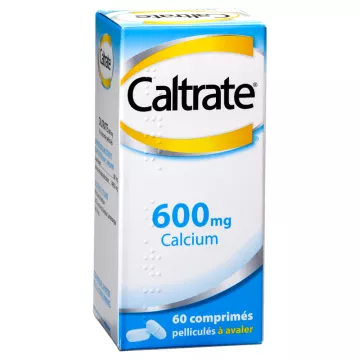
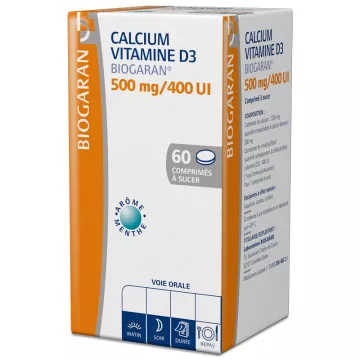
Serum calcium refers to the levels of ionized and total calcium in the blood. Calcium is the most abundant mineral in the body—99% is stored in the bones and teeth, while 1% circulates in the blood and tissues, where it performs vital functions. Precise regulation of blood calcium levels is essential for cardiac and neuromuscular function, as well as blood clotting. Supplements for bone health are available in the calcium and bone remineralization sections of the store.
- Normal ranges: total serum calcium 2.20 to 2.65 mmol/L (8.8 to 10.6 mg/dL)—ionized calcium (active fraction) 1.15 to 1.35 mmol/L — values may vary slightly by laboratory — any interpretation of test results must be performed by a healthcare professional
- Hormonal regulation: parathyroid hormone (PTH—parathyroid glands): increases blood calcium levels by stimulating bone resorption, renal reabsorption, and vitamin D activation—active vitamin D3 (calcitriol): promotes intestinal absorption of calcium — calcitonin (thyroid): lowers blood calcium levels by inhibiting bone resorption
- Functions of circulating calcium: muscle contraction (including the heart muscle) — neuromuscular transmission — blood coagulation (cofactor for several coagulation factors) — hormonal and enzymatic secretion
What are the causes and symptoms of abnormal serum calcium levels?
- Hypercalcemia (serum calcium > 2.65 mmol/L): main causes (primary hyperparathyroidism—the leading cause in ambulatory adults—and cancers with bone metastases or PTHrp secretion)—other causes: sarcoidosis, vitamin D toxicity, prolonged immobilization — symptoms (fatigue, excessive thirst, polyuria, nausea, constipation, abdominal pain, confusion, muscle weakness)—severe hypercalcemia > 3.5 mmol/L: medical emergency (arrhythmias, coma)—diagnosis and management by a physician are mandatory
- Hypocalcemia (serum calcium < 2.20 mmol/L): main causes ( vitamin D deficiency—the leading cause worldwide—post-surgical hypoparathyroidism, chronic kidney disease) — symptoms (muscle cramps and spasms, paresthesias around the mouth and in the extremities, tetany; in severe cases: seizures, QT prolongation on the ECG) — symptomatic hypocalcemia: seek urgent medical attention
- Medications can affect serum calcium levels: thiazide diuretics (increase) — bisphosphonates, denosumab, certain antiepileptic drugs (decrease) — report any abnormal results to your doctor, specifying the medications you are currently taking
How can normal blood calcium levels be maintained through diet and supplementation?
Maintaining normal blood calcium levels relies on adequate intake of calcium and vitamin D3, which are inseparable cofactors. Magnesium supplements also play a role in regulating calcium and phosphorus levels. Any supplementation should be done under medical supervision, particularly if you have a history of kidney problems or urinary stones.
- Recommended daily calcium intake: 900 to 1,000 mg/day for adults—1,200 mg/day for those over 65 and postmenopausal women—from dietary sources (dairy products, canned sardines with bones, tofu, green vegetables—cabbage, broccoli, arugula)— calcium supplements if dietary intake is insufficient
- Vitamin D3: essential for intestinal absorption of calcium—deficiency is very common in our latitudes (up to 80% of the population in winter) — moderate sun exposure (15 to 30 minutes on the forearms and face, outside of peak heat hours) — supplementation of 800 to 1,000 IU/day recommended by the HAS for adults over 65
- Phosphorus: a cofactor in bone mineralization — excessive dietary phosphorus (sugary drinks, processed foods) can reduce calcium absorption
- Osteoporosis prevention: regular weight-bearing physical activity (walking, hiking) — quit smoking and limit alcohol consumption — never self-administer calcium supplements without a prior medical evaluation (risk of kidney stones and iatrogenic hypercalcemia)