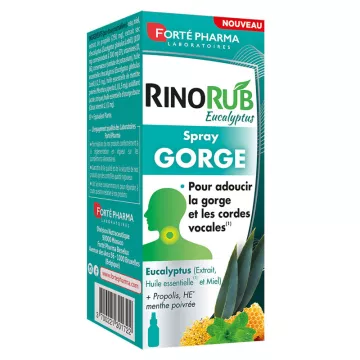
What is a throat spray, and how does it work?
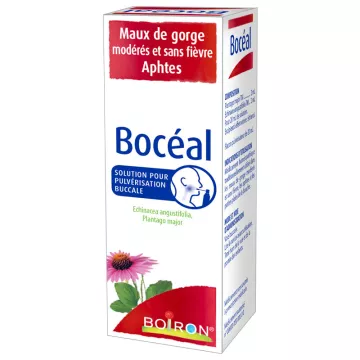
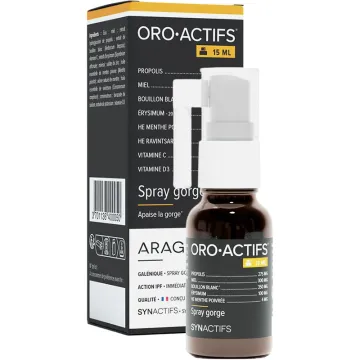
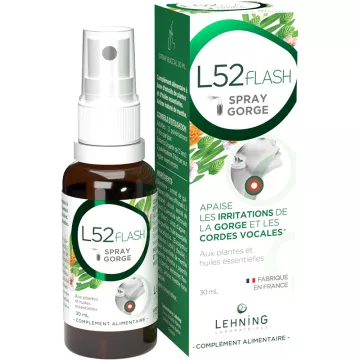
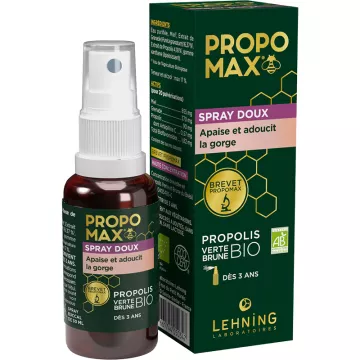
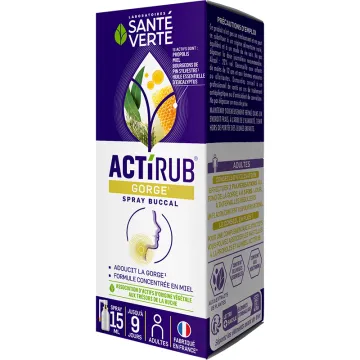
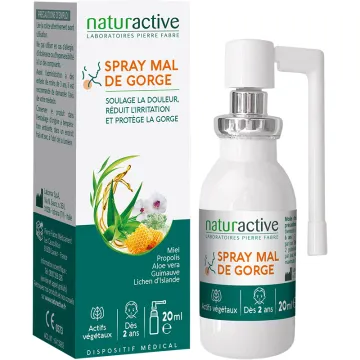
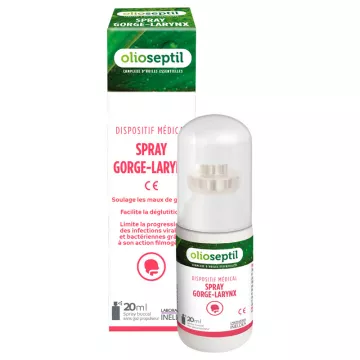
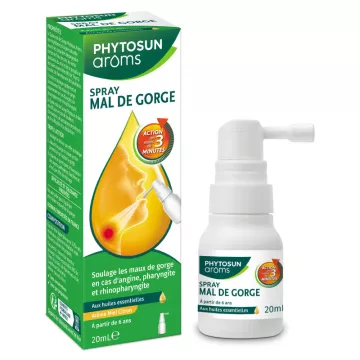
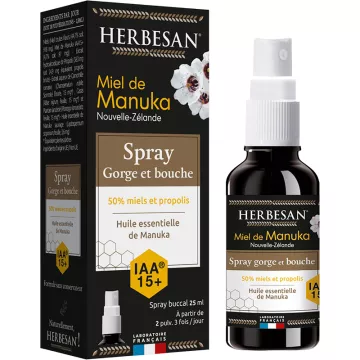
A throat spray is a medical or natural solution administered by spraying directly onto the throat lining. This method of application allows for rapid, localized relief in the painful or irritated area, without passing through the digestive tract. It forms a protective film that keeps the mucous membrane hydrated, reduces irritation, and delivers active ingredients directly to inflamed tissues. Throat sprays are available in the sore throat product line and ENT care products in the ENT Sphere line.
- Advantages over lozenges and gargles: direct, targeted application to the painful area — fast-acting (within minutes) — convenient for on-the-go use — precise dosage with each spray — lozenges act more slowly but provide prolonged relief through gradual dissolution — the spray is preferable for intense acute pain, lozenges are best for ongoing relief throughout the day
- Main indications: viral or irritative sore throats — dry, hoarse throat — mild to moderate pharyngeal pain — symptomatic relief for viral pharyngitis (bacterial strep A sore throat requires a prescription for antibiotics)
What are the ingredients in throat sprays, and how should you choose them?
- Medicated antiseptics: chlorhexidine (broad-spectrum antibacterial agent that reduces pharyngeal bacterial flora) — hexetidine — cetylpyridinium chloride — indicated for pharyngitis with a documented bacterial component or for prophylaxis
- Topical analgesics: lidocaine (local anesthetic, provides rapid but temporary pain relief) — benzydamine (topical anti-inflammatory and analgesic) — lasts 1 to 2 hours
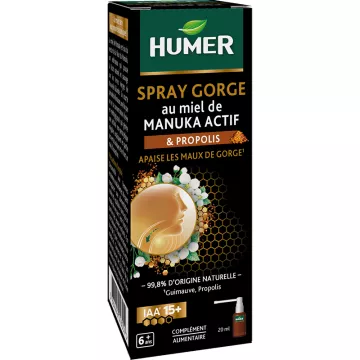
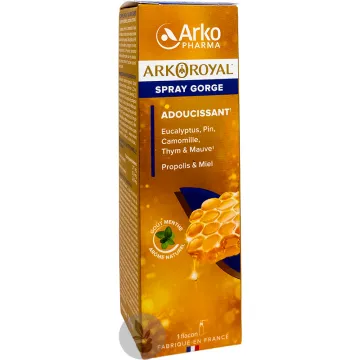
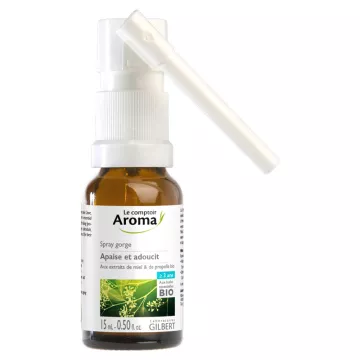
- Natural formulations:
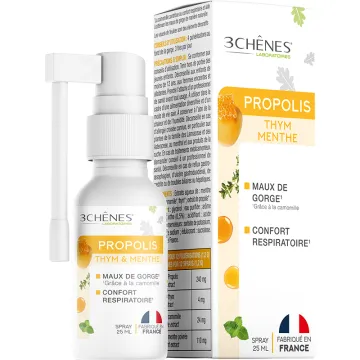
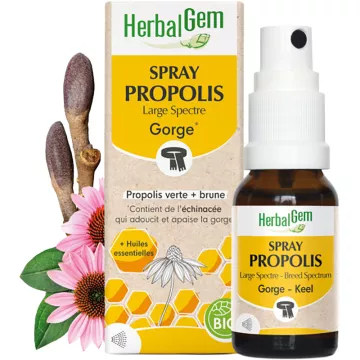
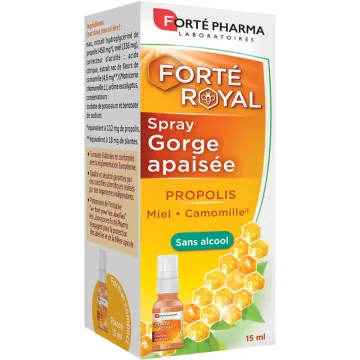
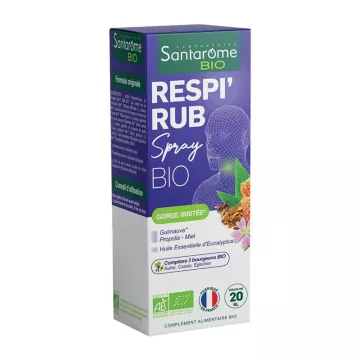
- Propolis: antibacterial and anti-inflammatory bee resin — one of the most well-documented natural alternatives for the throat — effective against Streptococcus pyogenes and Staphylococcus aureus
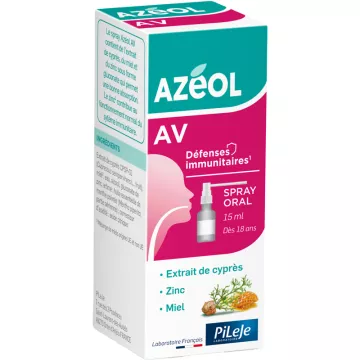
- Honey and glycerin: emollients and film-forming agents — moisturize and protect the irritated pharyngeal mucosa
- Thyme and sage: plant-based antiseptics and anti-inflammatories — recognized by the EMA for mild throat irritation
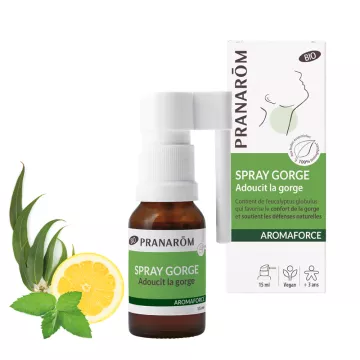
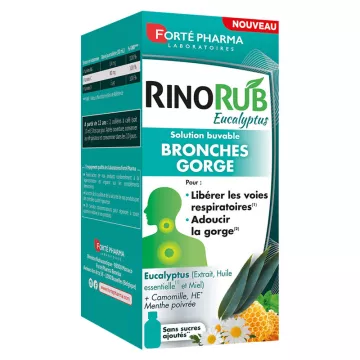
- Eucalyptus and mint: decongestants and refreshers—work synergistically with the antiseptic active ingredients
- Selection criteria: nature of the pain (moderate → natural; severe or persistent → medicated) — presence of fever or pus → consult a doctor before using any spray — choose alcohol-free formulas for very irritated or sensitive throats — check the minimum age indicated on the packaging
How to use a throat spray and what precautions should be taken?
- Application technique: Shake the bottle before use — position the nozzle toward the back of the mouth, aimed at the back of the throat — Spray 2 to 3 times according to the instructions — Do not swallow immediately — Avoid eating or drinking for 30 minutes after application — Do not exceed the recommended frequency (generally every 2 to 4 hours)
- Children: Always check the minimum recommended age — sprays containing lidocaine or alcohol are generally contraindicated for children under 6 years of age — Propolis is contraindicated in cases of allergy to bee products — Consult a pediatrician before use in infants or children under 6 years of age
- Pregnant and breastfeeding women: Avoid medicated sprays without medical advice — Formulas based on honey and pure glycerin are generally best tolerated — Essential oils (eucalyptus, mint) are contraindicated during the first trimester
- Possible side effects: transient burning or tingling sensation — allergic reaction to ingredients (propolis, essential oils) — a tolerance test is recommended in cases of known atopy — dry mouth with excessive use of antiseptics (imbalance of oral flora)
- Consult a doctor if: fever > 38.5 °C — severe pain that does not subside with the spray — whitish deposits on the tonsils (bacterial strep throat) — symptoms persisting for more than 5 days despite treatment