What daily habits can you adopt to strengthen your immune system?
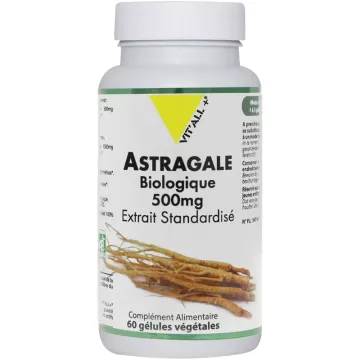
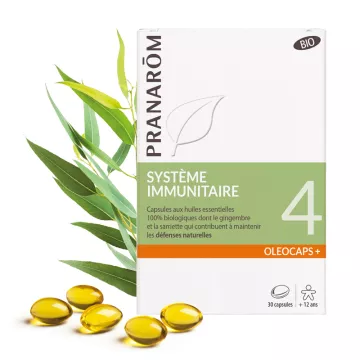
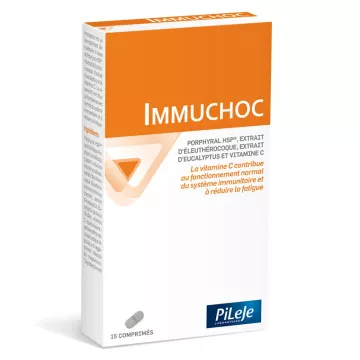
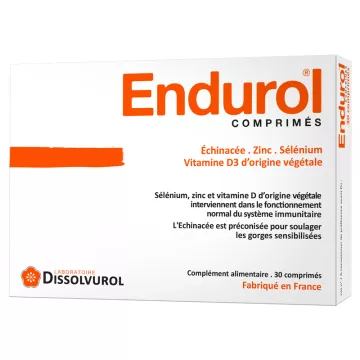
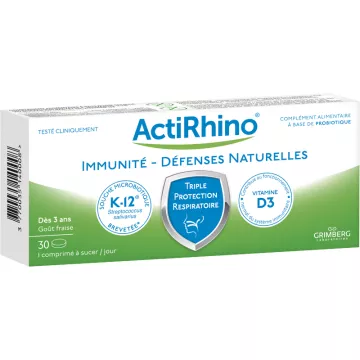
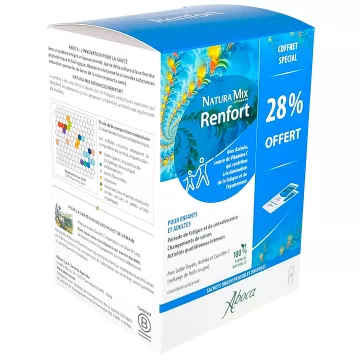
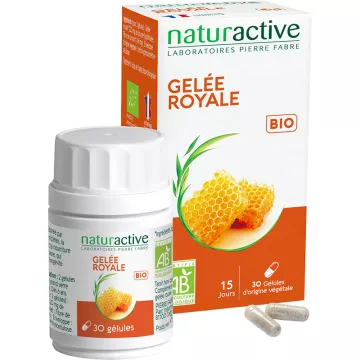
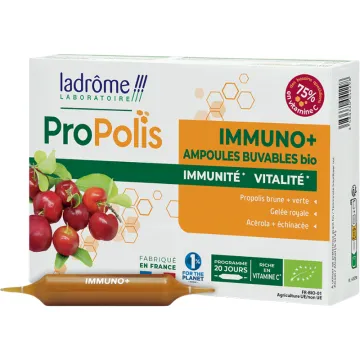
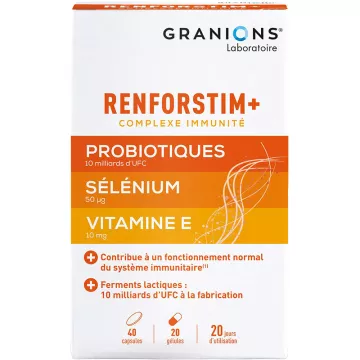
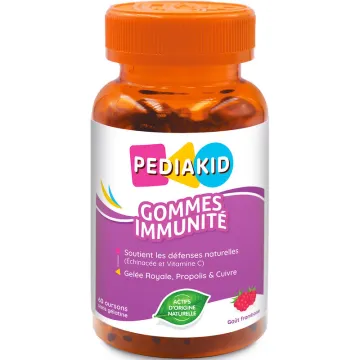
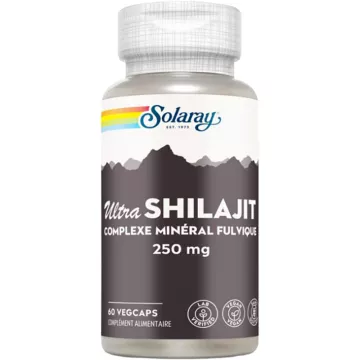
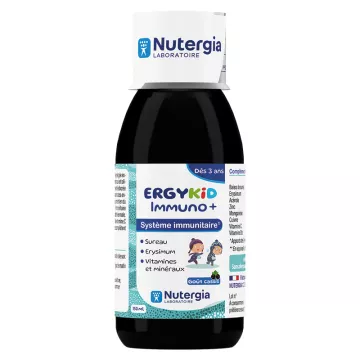
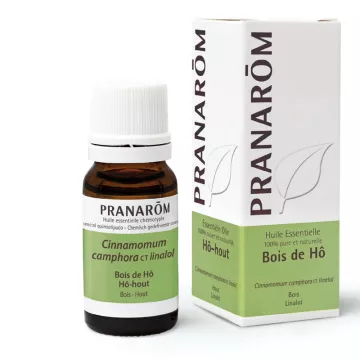
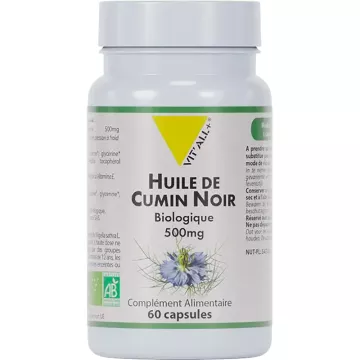
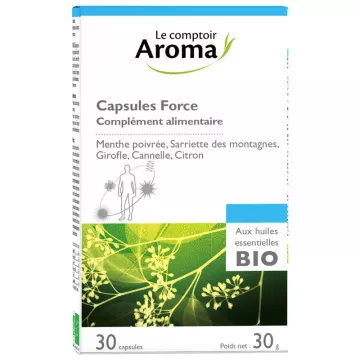
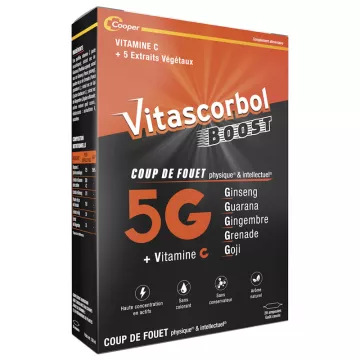
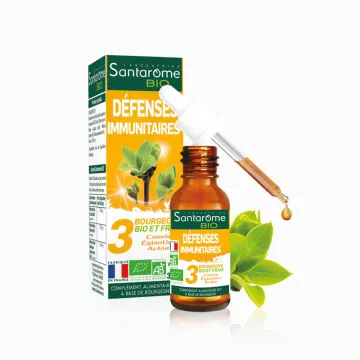
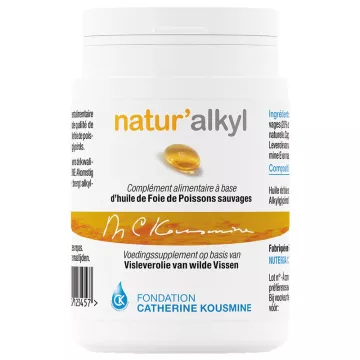
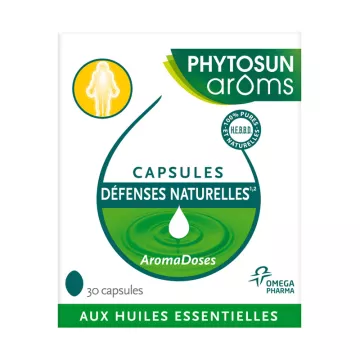
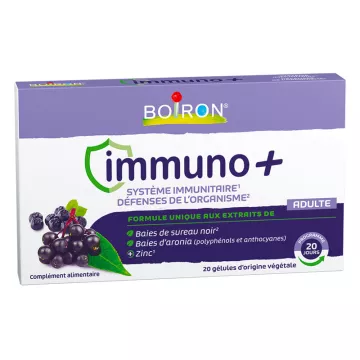
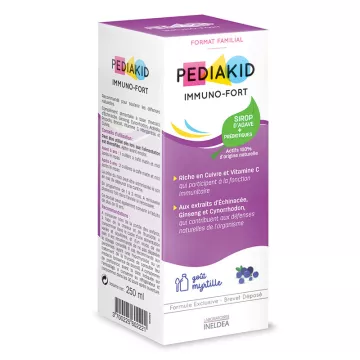
The immune system refers to the set of mechanisms by which the body recognizes and neutralizes pathogens—viruses, bacteria, fungi, and parasites. They rely on two complementary lines of defense: innate immunity (an immediate, nonspecific response) and adaptive immunity (a targeted response with immunological memory). Both of these systems are closely tied to daily lifestyle habits. Immune-support supplements are available in the store’s immunity, natural defenses, and herbal remedies for immune support sections.
- A varied and colorful diet: fruits and vegetables rich in antioxidants (vitamins C, E, beta-carotene) — leafy green vegetables (spinach, kale—iron, vitamin A, fiber)—raw garlic (antibacterial allicin)—ginger (anti-inflammatory)—nuts (almonds—vitamin E, Brazil nuts — selenium) — seafood (zinc, omega-3)
- Restorative sleep: 7 to 9 hours per night — production of anti-infectious cytokines during deep sleep — lack of sleep = decreased T cells and NK cells — go to bed and wake up at regular times
- Moderate physical activity: 150 min/week (WHO) — improves circulation of immune cells — reduces chronic inflammation — avoid overtraining (temporary immunosuppression)
- Hydration: 1.5 to 2 L/day — transports immunostimulatory nutrients — thins mucus (physical barrier against pathogens) — facilitates the elimination of toxins
- Tobacco and alcohol: Smoking reduces the effectiveness of pulmonary and systemic immune cells (Tobacco Info Service: 3989) — Excessive alcohol consumption impairs macrophages and lymphocytes — Reducing or eliminating these substances significantly improves the immune system
Micronutrients, microbiota, and antioxidants supporting the immune system
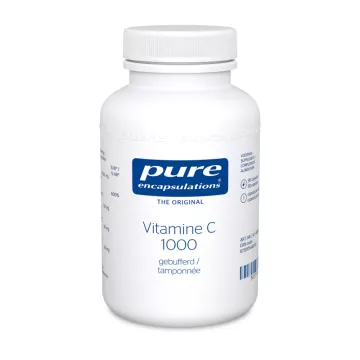
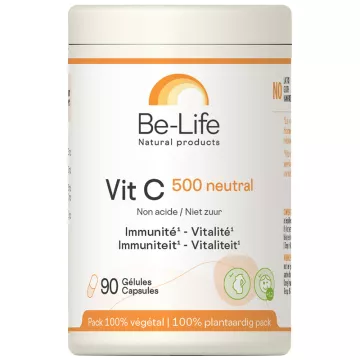
- Vitamin C: stimulates neutrophils and lymphocytes — an antioxidant that protects immune cells — 500 to 1,000 mg/day — EFSA claim regarding the normal functioning of the immune system
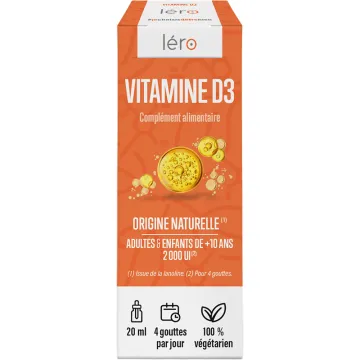
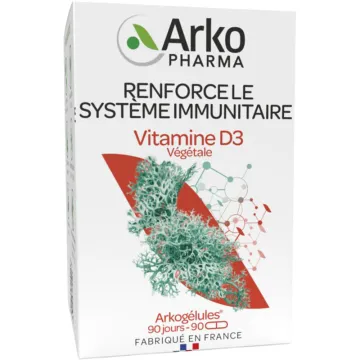
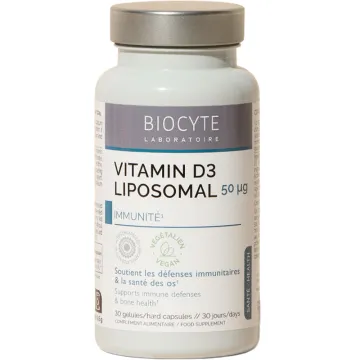
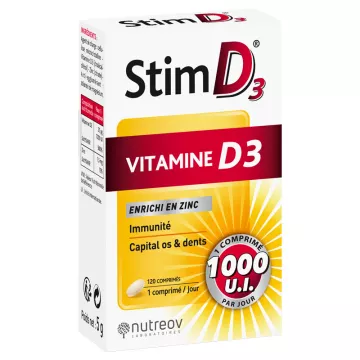
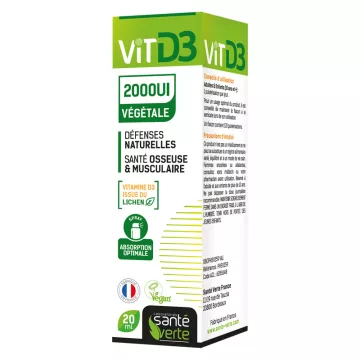
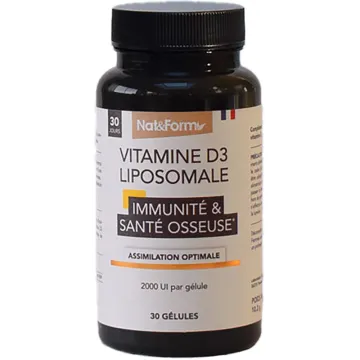
- Vitamin D3: activates macrophages and dendritic cells — winter deficiency = vulnerability to respiratory infections — 1,000 to 2,000 IU/day — EFSA claim
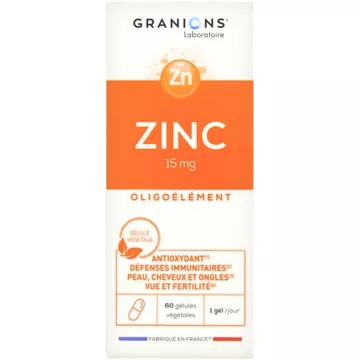
- Zinc: promotes the proliferation of T, B, and NK cells — anti-inflammatory — 10 to 15 mg/day — EFSA claim
- Selenium: glutathione peroxidase — protects immune cells from oxidative stress — 55 to 200 µg/day
- Dietary antioxidants: berries, blueberries, black currants (anthocyanins) — green vegetables — nuts — whole grains — neutralize free radicals that damage immune cells
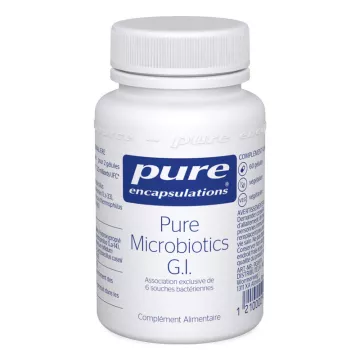
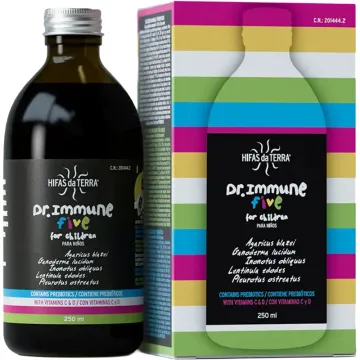
- Gut microbiota: 70% of the immune system is located in the intestinal lymphoid tissue — probiotics (Lactobacillus, Bifidobacterium) — prebiotics (soluble fiber: oats, legumes, artichokes) — yogurt, kefir, raw sauerkraut — microbiota imbalance (dysbiosis) → weakened immunity
- Any supplementation in cases of illness or treatment → consult a doctor — see the immune system page for complete physiology
Stress management: an underestimated pillar of the immune system
- Impact of chronic stress: excess cortisol → suppression of T cells — reduction in NK cells — impairment of the intestinal barrier → easier entry of pathogens — state of silent chronic inflammation — increased vulnerability to ENT and skin infections (eczema, herpes)
- Stress management techniques: cardiac coherence (3 × 5 min/day — documented reduction in cortisol) — mindfulness meditation (10 min/day) — yoga and tai chi — diaphragmatic breathing — gentle physical activity (walking in nature)
- Social connections: High-quality social interactions reduce markers of chronic stress (cortisol, CRP) and improve the immune response — social isolation is a documented factor in immune suppression
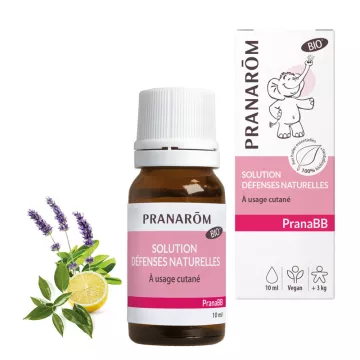
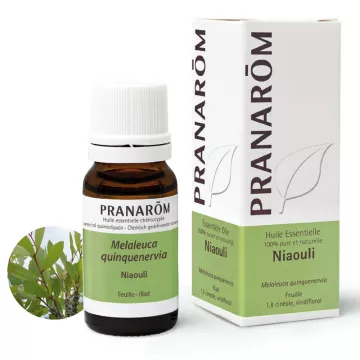
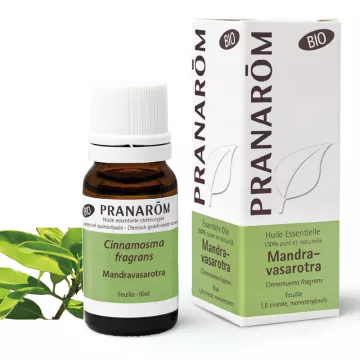
- See the “Immune Support” essential oils and the “Boosting Natural Defenses” page for complementary plants and supplements