How can you strengthen sensitive teeth with the right products?
Strengthening sensitive teeth involves two complementary actions: sealing exposed dentinal tubules (to block the pain signal) and remineralizing weakened enamel (to restore its strength). Products available at pharmacies allow you to address these two mechanisms on a daily basis, without having to wait for a dental appointment. Specialized toothpastes for sensitive teeth and otheroral hygiene products are available in our online store. To understand why teeth become sensitive, the tooth sensitivity page explains the mechanisms in detail.
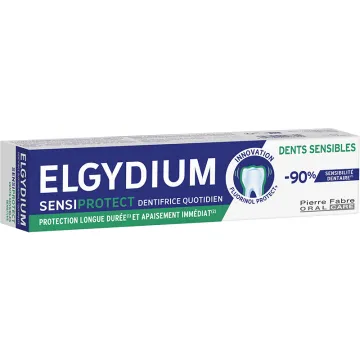
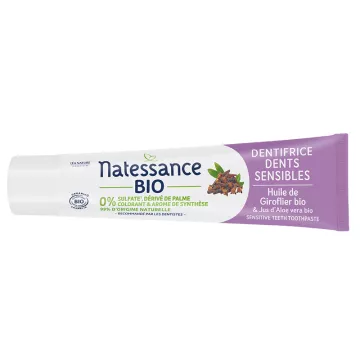
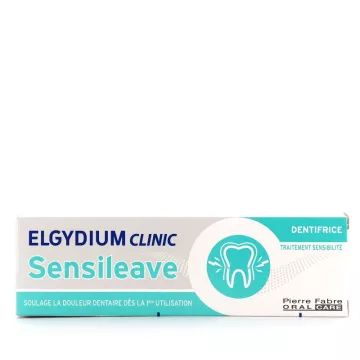
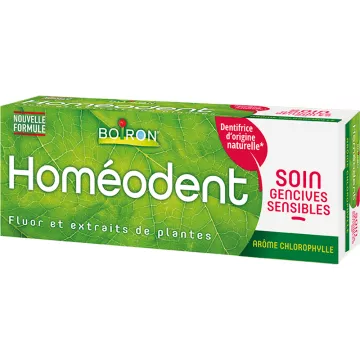
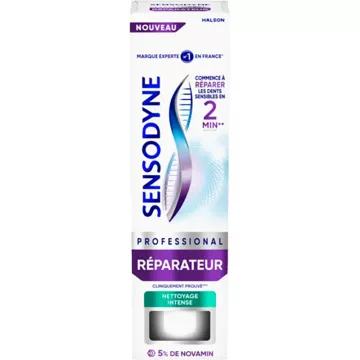
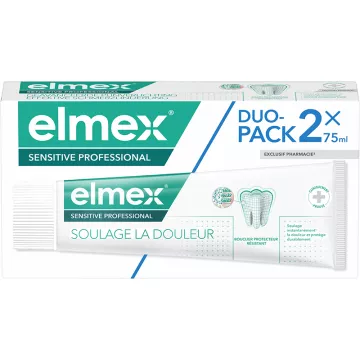
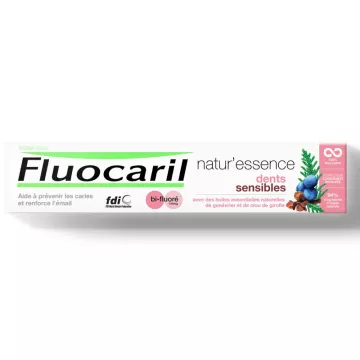
Desensitizing toothpastes are the cornerstone of at-home treatment. They fall into two distinct categories based on their mechanism of action. Potassium nitrate (5%) acts directly on the nerve: it depolarizes the dentin nerve fibers and reduces their reactivity to stimuli—a gradual but lasting result with continuous use for 2 to 4 weeks. Strontium chloride and 8% arginine with calcium carbonate work differently: they precipitate within the dentinal tubules and mechanically block them, reducing the flow of fluid that causes the pain.
- Key usage tip: After your regular brushing routine, apply a small amount of desensitizing toothpaste directly to the sensitive areas with your finger and leave it on without rinsing—this targeted application maximizes penetration into the tubules
- Fluoride mouthwash at night: 225–500 ppm fluoride—do not rinse with water afterward—the fluoride film coats the enamel and strengthens its resistance to acids overnight—do not eat or drink for 30 minutes
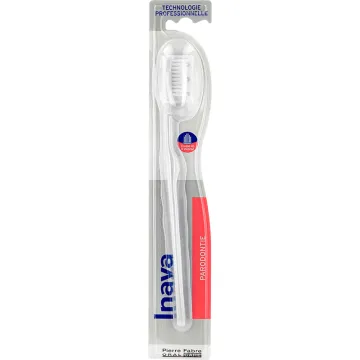
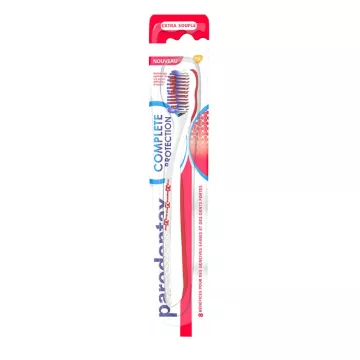
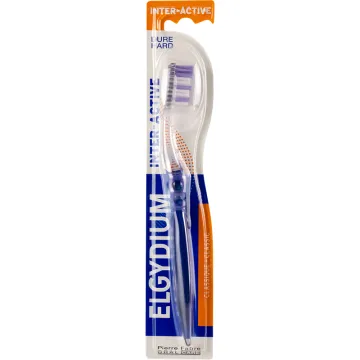
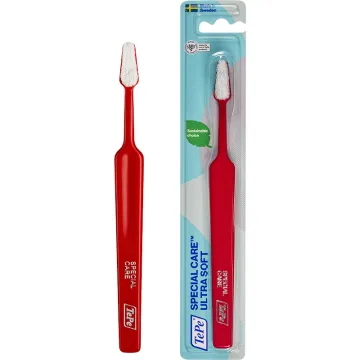
- Choose the right toothbrush: Ultra-soft bristles are essential—brushing too hard with stiff bristles wears down the tooth necks and increases dentin exposure—replace the toothbrush every 3 months (flared bristles = an ineffective and overly aggressive brush)
What role does fluoride play in strengthening enamel?
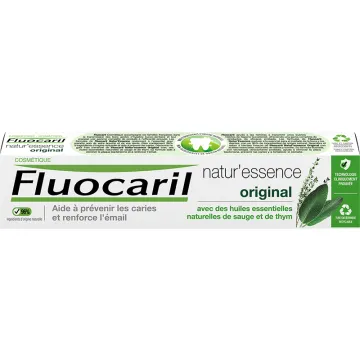
Fluoride is the primary enamel-remineralizing agent available for over-the-counter use. It works by replacing the hydroxyl ions in hydroxyapatite to form fluorapatite—a crystalline structure that is more resistant to acid attacks (it dissolves at a pH of 4.5 instead of 5.5 for ordinary enamel). This transformation strengthens existing enamel and accelerates the recrystallization of areas demineralized by acids or bacteria.
The concentration of the toothpaste determines its effectiveness: 1,450 ppm is the European standard for adults—"whitening" or "natural" toothpastes often contain less than 1,000 ppm and are less effective on sensitive teeth. For severe cases, the dentist may prescribe toothpastes containing 2,800–5,000 ppm or apply professional fluoride varnishes at 22,600 ppm, the effects of which last for several weeks.
- Brushing technique suitable for sensitive teeth: modified Bass technique—hold the brush at a 45° angle toward the gum line—use small vibrating motions without horizontal back-and-forth movements — at least 2 minutes — start with the sensitive areas to ensure they aren’t missed — oscillating-rotating electric toothbrushes apply controlled pressure and are often better tolerated
- Wait after acidic meals: a glass of orange juice or soda temporarily softens the enamel—brushing immediately worsens erosion—waiting 30 minutes allows saliva to remineralize and the pH to rise before brushing
- Xylitol as a supplement: sugar-free xylitol gum stimulates saliva production (the body’s primary natural remineralizing agent) and inhibits cavity-causing bacteria—chew it 20 minutes after each meal if possible
How do gums affect sensitivity, and how can you protect them?
The gums are the first line of defense for the tooth roots. When they recede, they expose the cervical area of the teeth—where enamel is absent and where cementum (much thinner and more porous) provides poor protection for the dentin. This gum recession is often silent and gradual: the patient doesn’t notice it until sensitivity sets in. Brushing too vigorously is the leading cause of recession in young adults—it’s irreversible damage that proper brushing can prevent but not repair.
- Monitor your gums: compare the gum line on each tooth while brushing—any asymmetry or gradual exposure of a root warrants a visit to the dentist or periodontist—see the periodontitis page for treatment
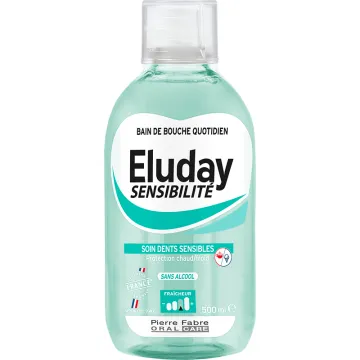
- Gum-protecting products: aloe vera gum gels (soothe pericervical inflammation), fluoride gels to apply to the necks of sensitive teeth, alcohol-free mouthwashes (alcohol irritates and dries out the gums)—available in the oral hygiene product line
- Enamel-protective foods: hard cheeses (alkalize the oral pH after meals and provide calcium) — calcium-rich mineral water — limit acidic beverages between meals — drink acidic beverages through a straw to minimize contact with the palatal surfaces of the front teeth — see also cavity prevention and tooth brushing