What is loss of appetite, and what causes it?
Loss of appetite —medically referred to as anorexia (to be distinguished from anorexia nervosa, a specific psychiatric disorder)—is characterized by a persistent or recurring reduction in the desire to eat, regardless of actual energy needs. Its causes are numerous and intertwined:
- Physical causes: acute infections, chronic diseases (kidney failure, hepatitis, cancer), thyroid disorders, chronic abdominal pain.
- Drug side effects: chemotherapy, antibiotics, antidepressants, opioids.
- Psychological causes: chronic stress, anxiety, depression —which alter central appetite regulation via neurotransmitters.
- Nutritional causes: zinc or vitamin B12 deficiencies, which impair taste and smell.
A temporary loss of appetite related to an infection or temporary stress is benign. If it is persistent or associated with unintentional weight loss, a comprehensive medical evaluation is required. It is important to note that in older adults, loss of appetite is particularly common and often underestimated, despite its serious consequences for muscle mass and immunity.
When should you see a doctor for a loss of appetite?
A medical consultation is necessary in the following situations:
- Loss of appetite lasting more than 2 weeks with no obvious identifiable cause.
- Unintentional weight loss of more than 5% of body weight in less than one month.
- Severefatigue, abdominal pain, persistent nausea, or associated difficulty swallowing.
- A history of a known chronic condition (diabetes, heart failure, cancer).
The initial evaluation generally includes a complete blood count (CBC), liver and kidney function tests, a TSH level test, and, depending on the context, a nutritional assessment. These tests help guide the diagnosis and tailor treatment.
How can appetite be stimulated through diet and lifestyle?
In the absence of serious medical conditions, several practical adjustments can help restore the desire to eat:
- Eat smaller, more frequent meals: 5 to 6 small meals rather than 3 large ones, which are less overwhelming.
- Prioritize foods that are nutrient-dense but take up little space: nuts, avocados, cheese, and olive oil.
- Pay attention to the presentation and variety of foods to stimulate the appetite through sight.
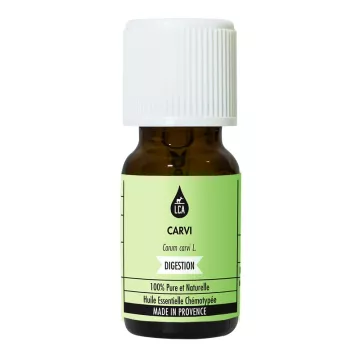
- Use herbs and spices that stimulate digestive secretions: ginger, fenugreek, caraway.
- Engage in light physical activity before meals to stimulate ghrelin (the hunger hormone).
Adequate sleep is also essential: leptin and ghrelin, key hormones in appetite regulation, are significantly disrupted by sleep deprivation.
What dietary supplements can support appetite?
Certain micronutrients play a direct role in taste perception and the desire to eat:
- Zinc: A deficiency impairs taste and smell—two senses crucial to appetite. Short-term supplementation can restore these perceptions.
- Vitamin B12: Essential for neurological function, it indirectly influences appetite by regulating energy levels.
- Ginger supplements: Their digestive and carminative properties can make eating easier by reducing nausea and bloating.
These supplements should be used as part of a comprehensive approach, under medical supervision if there is an underlying medical condition.
What consequences can prolonged loss of appetite lead to?
Prolonged anorexia that goes untreated leads to progressive complications:
- Malnutrition and loss of muscle mass (sarcopenia), which progresses particularly rapidly in older adults.
- Multiple deficiencies (iron, B vitamins, zinc, calcium) that weaken bones, the immune system, and cognitive function.
- Weakened immune defenses, increasing vulnerability to infections.
- Impaired wound healing and slowed postoperative or post-infectious recovery.
Early nutritional intervention—sometimes supplemented by psychological support if the cause is emotional—significantly improves prognosis and quality of life. Enriched oral nutritional supplements (ONS) may be prescribed in cases of confirmed malnutrition to meet nutritional needs without requiring large food volumes.