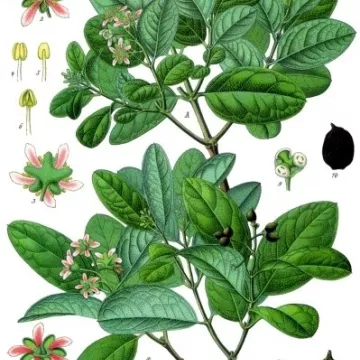
A star in the field of liver naturopathy, boldo is a medicinal plant traditionally used to support liver health and aid digestion. Its leaves, rich in boldine, are where most of its beneficial effects are concentrated.
What is boldo and where does it come from?
Boldo (Peumus boldus) is a shrub native to South America, primarily Chile and Peru. Its leaves contain specific alkaloids, including boldine, as well as flavonoids and essential oils. This combination explains its long-standing use in traditional medicine to support digestion and liver function. Boldo naturally complements other herbs used to support liver health.
What are the benefits of boldo?
Boldo acts on several physiological pathways:
- stimulation of bile secretion, which aids in the digestion of fats;
- supporting liver function and natural detoxification;
- antioxidant activity against cellular oxidative stress;
- a mild diuretic effect that aids the body’s detoxification process;
- relief from mild digestive discomfort (bloating, heaviness).
How does boldo affect the liver?
Boldine is the key active compound in boldo. This alkaloid stimulates bile production by hepatocytes, which aids in the digestion of fats and supports the elimination of metabolic waste. The associated flavonoids exert an antioxidant effect that protects liver cells from oxidative stress. For established conditions, see our pages on liver disorders and detoxification treatments.
How should boldo be taken, and what is the recommended dose?
Several dosage forms are available:
- infusion: 1 teaspoon of dried leaves per 25 cl of simmering water; steep for 10 minutes; 1 to 2 cups per day after meals;
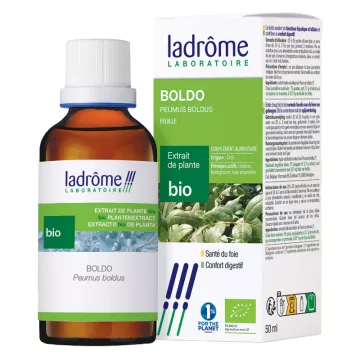
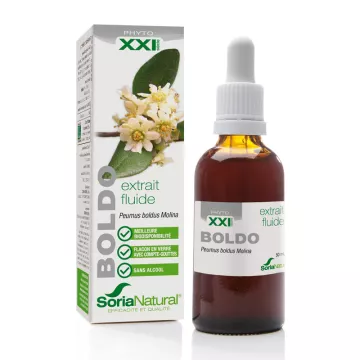
- liquid extract: 20 to 40 drops diluted in a glass of water, 2 to 3 times a day;
- standardized capsules or softgels: 1 to 2 per day according to the manufacturer’s instructions;
- mother tincture: dilute according to a healthcare professional’s recommendations.
The treatment duration should not exceed two to three weeks, followed by a break of at least fifteen days.
What side effects and precautions should you be aware of?
Although well tolerated at recommended doses, boldo may cause certain side effects:
- digestive disturbances (nausea, vomiting, diarrhea) at high doses or with prolonged use;
- allergic skin reactions in sensitive individuals;
- drug interactions, particularly with medications metabolized by the liver;
- boldo essential oil, which is rich in ascaridol, is neurotoxic and must never be taken orally.
Who should avoid boldo?
Several contraindications call for caution:
- pregnant or breastfeeding women: avoid use without medical advice;
- advanced liver disease, bile duct obstruction, gallstones: use is prohibited without medical approval;
- kidney failure: use with caution due to its diuretic effect;
- children: dosage must be strictly adjusted and supervised by a healthcare professional;
- anticoagulant or hepatotoxic treatments: seek medical advice beforehand.
Does boldo help with weight loss?
Its effect on weight is indirect and modest. By supporting fat digestion and natural elimination, boldo can complement a comprehensive weight-loss program. Its diuretic effect temporarily reduces water retention. However, it does not burn body fat and is only effective when combined with a balanced diet and regular physical activity. To learn more, explore our selections for weight loss and detox, as well as liver and urinary detoxification.
What are some natural alternatives to boldo?
Several liver- and digestive-supporting herbs offer complementary or alternative benefits:
- artichoke: recognized for aiding digestion and supporting bile production;
- milk thistle: silymarin, liver protection and regeneration;
- desmodium: acts on liver enzymes;
- dandelion: drainage and mild diuretic effect;
- black radish: traditional choleretic and cholagogue;
- Ginger: aids digestion and promotes general well-being.
These plants can be combined under the guidance of a naturopath to address a specific issue. For a comprehensive approach, see also our pages on improving digestion and digestive comfort.