0
Menu
Boldoflorine Natural Laxative 40 Tablets
Over-the-counter medication

Boldoflorine Natural Laxative 40 Tablets

Brand : Iphym Pharma Iphym Pharma
product contains :

Find a smooth regular transit thanks to Boldoflorine, your natural ally to say goodbye to constipation! 40 tablets for healthy and comfortable digestion. Order Boldoflorine Natural Laxative 40 Tablets in our organic pharmacy, Comment on advice for use and dosage with our partner Avis checked after your purchase.

€10.86 EXCL. VAT €11.95 INCL. VAT
Not in stock Out of stock Secure payment
Reference : 3400931993094
You must be logged in to add this product to a list. Customer login
See delivery conditions

Our doctors of pharmacy advise you

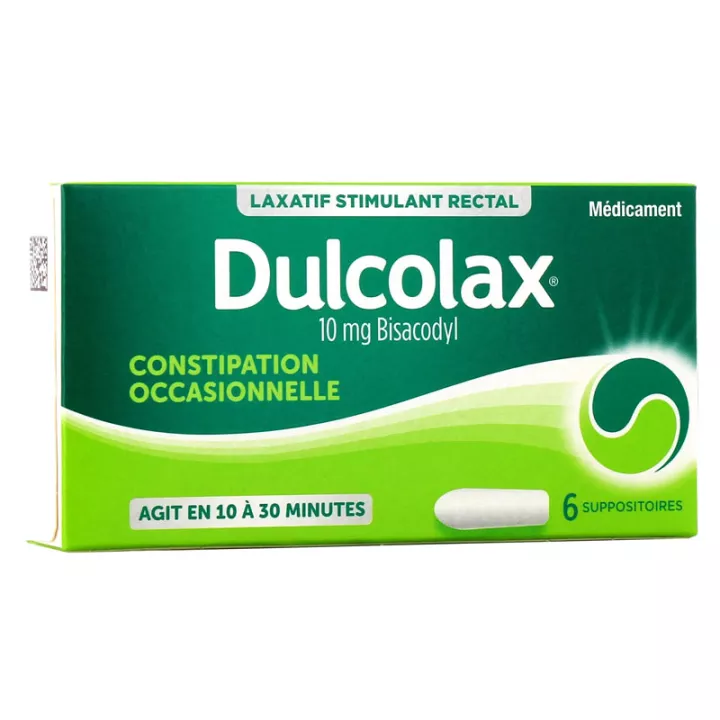
Dulcolax 6 Suppositories for constipation Dulcolax 6 Suppositories for constipation
€5.49
Add to cart
Shipped within 24h
Synactifs Transit Actifs Natural laxative 20 capsules Synactifs Transit Actifs Natural laxative 20 capsules
€11.90
Shipped within 24h
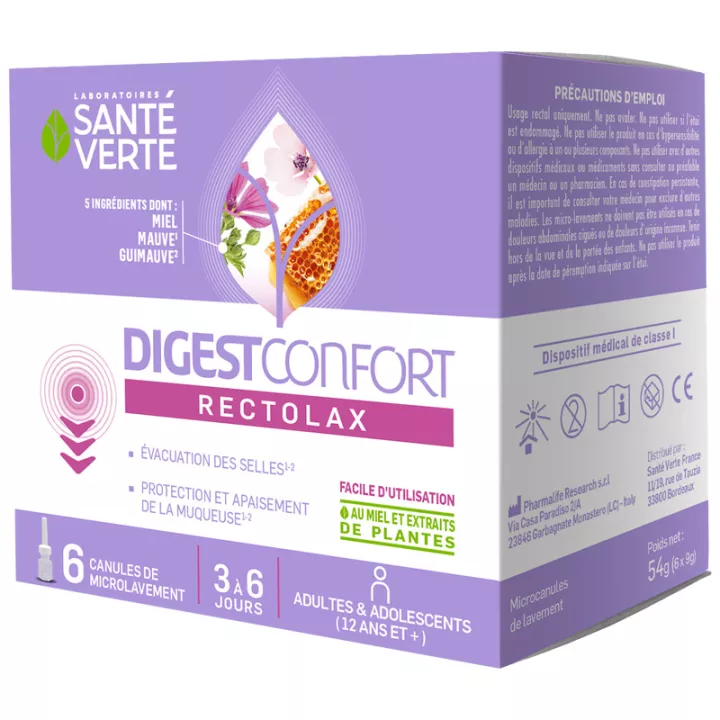
Santé Verte Digestconfort Rectolax Adults Santé Verte Digestconfort Rectolax Adults
€6.76
Shipped within 24h
Boldo Bio Extrait Fluide Glycériné PhytoFrance Boldo Bio Extrait Fluide Glycériné PhytoFrance
€7.95
Shipped within 24h
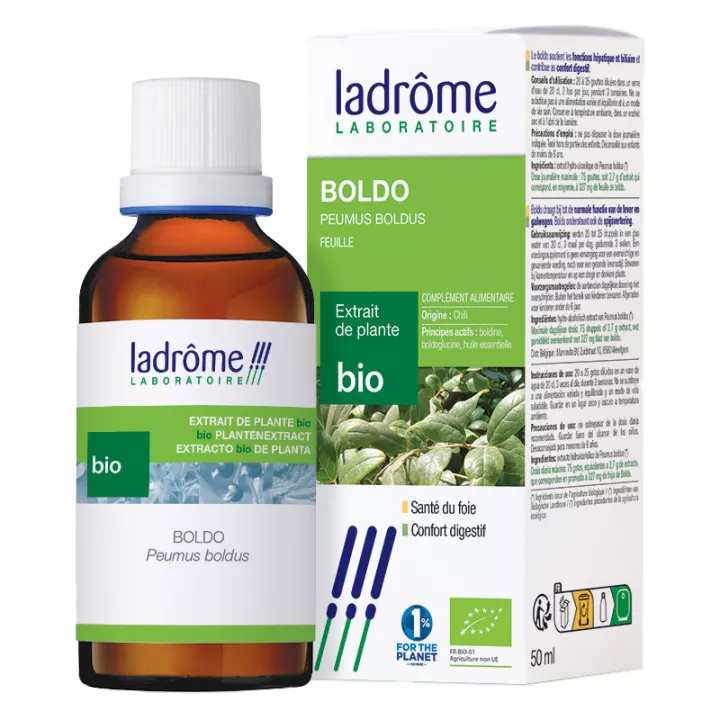
Ladrôme Organic Plant Extracts Boldo 50 ml Ladrôme Organic Plant Extracts Boldo 50 ml
€7.29
Shipped within 24h

What is Boldoflorine Natural Laxative 40 Tablets used for?

Boldoflorine Natural Laxative 40 Tablets is a herbal medicine used to treat occasional constipation in adults. This natural laxative stimulates intestinal transit and softens the stools to facilitate their evacuation.

There are several ways to limit constipation naturally, including:

  1. Drink enough water : Water is essential to maintain regular intestinal transit. It is recommended to drink at least 8 glasses of water a day.

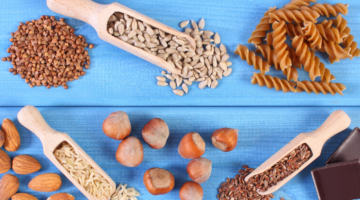
  2. Eat foods high in fiber :Foods high in fiber , such as fruits, vegetables, whole grains, nuts and seeds, psyllium , benefit digestion and help prevent constipation.

  3. Exercise regularly : Physical exercise helps stimulate bowel movement and maintain regular bowel movements.

  4. Take probiotics : Probiotics are beneficial bacteria that can help improve digestive health.

  5. Use natural laxatives : Natural laxatives, such as psyllium, flaxseed, and marshmallow root, can help soften stools and stimulate bowel movement.

How to properly use Boldoflorine Natural Laxative?

The recommended dosage for Boldoflorine Natural Laxative is 1 to 3 tablets per day , to be taken after the evening meal. However, it is important not to prolong the treatment beyond 8 to 10 days.

Comment on the recommendations for use and dosage of Boldoflorine Natural Laxative 40 Tablets with our partner Avis checked after your purchase.

What are the side effects and contraindications of Boldoflorine Natural Laxative?

It is not recommended to use this medicine in the following situations:

  • In case of inflammatory diseases of the colon;
  • In case of constipation or abdominal pain caused by an obstruction of the digestive tract such as an intestinal stricture or a faecal impaction (stool plug);
  • In children under 12 years old.

What is the composition of Boldoflorine Natural Laxative?

Film-coated tablet : Boldine 740 mg, Dry extract of senna leaf 27.8 mg, Rosemary extract 12 mg.

Excipients : Microcrystalline cellulose, Corn starch, Methylated casein (1), Magnesium stearate, Hypromellose, Titanium dioxide, Propylene glycol, Diethyl phthalate, qs 1 film-coated tablet.

(1) Methylated casein is obtained by treating casein with formaldehyde.

Presentation

Boldoflorine Natural Laxative 40 Tablets comes in the form of a box of 40 tablets.

Pharmacovigilance Report an adverse drug reaction(s)

Download PDF leaflet

NOTICE

ANSM - Updated on : 26/01/2023

Product name

BOLDOFLORINE, film-coated tablet

Sidebar

Please read this leaflet carefully before taking this medicine. It contains important information for your treatment.

If you have any further questions, please ask your doctor or pharmacist.

- Keep this leaflet as you may need to read it again.

- If you need further information or advice, ask your pharmacist.

- If symptoms worsen or persist, consult a doctor.

- If you notice any side effects not mentioned in this leaflet, or if you experience any of the effects mentioned as serious, please tell your doctor or pharmacist.

Contents leaflet

In this leaflet :

1. WHAT IS BOLDOFLORINE, film-coated tablet AND WHAT IS IT USED FOR?

2. WHAT DO I HAVE TO KNOW BEFORE TAKING BOLDOFLORINE, film-coated tablet?

3. HOW DO I TAKE BOLDOFLORINE, film-coated tablet?

4. WHAT ARE THE POSSIBLE SIDE EFFECTS?

5. HOW CAN I USE BOLDOFLORINE, film-coated tablet?

6. ADDITIONAL INFORMATION

1. WHAT IS BOLDOFLORINE, film-coated tablet AND WHAT IS IT USED FOR?

Pharmacotherapeutic class

STIMULANT LAXATIVE.

Therapeutic indications

This medicine is a stimulant laxative (stimulates intestinal evacuation).

It is recommended for occasional constipation.

It usually takes effect within 8 to 12 hours.

2. WHAT DO I HAVE TO KNOW BEFORE TAKING BOLDOFLORINE, film-coated tablet?

What you need to know before taking BOLDOFLORINE

Not applicable.


Contraindications

This drug MUST NOT BE USED in the following cases:

- certain diseases of the intestine and colon,

- in cases of abdominal pain,

- for chronic constipation (long-term constipation),

- in children under 12 without a doctor's prescription.

IF IN DOUBT, ASK YOUR DOCTOR OR PHARMACIST FOR ADVICE.

Precautions for use; special warnings

Warnings

Do not use for prolonged periods without medical advice.

Occasional constipation: This may be due to a recent change in lifestyle (travel). The drug can be used as a short-term treatment. Any recent constipation unexplained by a change in lifestyle, or any constipation accompanied by pain, fever or swelling of the abdomen, should be referred to your doctor.

Chronic constipation (long-term constipation): It should not be treated with a stimulant laxative.

There are two possible causes:

- or an intestinal disease requiring medical attention,

- or an imbalance in intestinal function due to eating habits and lifestyle.

Treatment includes

- increasing dietary intake of plant-based products (green vegetables, raw vegetables, wholemeal bread, fruit, etc.),

- increased consumption of water and fruit juices,

- increased physical activity (sports, walking, etc.),

- reeducate the defecation reflex,

- sometimes adding bran to the diet.

Consult your doctor or pharmacist for advice.

Particular case of children: In children, constipation treatment is based on lifestyle and dietary measures: in particular, using the right amount of water with infant milk powders, eating a diet rich in plant-based products, and adding fruit juices.

Treatment with stimulant laxatives without medical advice is contraindicated. (Regular use of laxatives at an early age can interfere with the normal functioning of the defecation reflex).

Precautions for use

Not recommended for nursing mothers.

This drug may cause potassium loss. Combination with other drugs (such as certain diuretics or heart medications) may be dangerous.

Interactions with other drugs

Taking other medications

Talk to your doctor or pharmacist if you are taking or have recently taken any other medicines, including those obtained without a prescription.

In particular, if you are taking amiodarone, astemizole, bepridil, bretylium, disopyramide, erythromycin IV, halofantrine, pentamidine, quinidinics, sparfloxacin, sotalol, sultopride, terfenadine, vincamine.

Interactions with food and beverages

Not applicable.

Interactions with herbal products or alternative therapies

Not applicable.


Use during pregnancy and breast-feeding

This medicine should only be used during pregnancy on the advice of your doctor.

If you discover that you are pregnant during treatment, consult your doctor, as only he or she can decide whether to continue treatment.

This drug should not be used during breast-feeding.

Sportsmen

Not applicable.

Effects on ability to drive vehicles or use machines

Not applicable.

List of excipients

Not applicable.

3. HOW DO I TAKE BOLDOFLORINE, film-coated tablet?

Instructions for proper use

Not applicable.

Dosage, Method and/or route(s) of administration, Frequency of administration and Duration of treatment

Adults: 1 to 3 tablets per day, after the evening meal.

Treatment should be short-term (8 to 10 days).

If the effect of treatment is insufficient, do not increase the dose or prolong use, but ask your doctor for advice.

IN ALL CASES, STRICTLY ADHERE TO YOUR DOCTOR'S PRESCRIPTION.

Symptoms and instructions in case of overdose

Not applicable.

Instructions in case of missed dose(s)

Do not take a double dose to make up for the one you missed. Continue your treatment as usual.

Risk of withdrawal syndrome

Not applicable.

4. WHAT ARE THE POSSIBLE SIDE EFFECTS?

Description of side effects

Like all medicines, BOLDOFLORINE, film-coated tablet is likely to have undesirable effects, although not everyone is subject to them:

Possible diarrhea, abdominal pain.

In this case, discontinue use and consult your doctor.

If you notice any side effects not mentioned in this leaflet, or if any side effects become serious, please inform your doctor or pharmacist.

5. HOW DO I USE BOLDOFLORINE, film-coated tablet?

Keep out of the reach and sight of children.

Expiration date

Do not exceed the expiration date clearly indicated on the packaging.

Storage conditions

No special storage precautions.

If necessary, warnings against certain visible signs of deterioration

Medicines must not be disposed of down the drain or with household waste. Ask your pharmacist what to do with unused medicines. These measures will help protect the environment.

6. FURTHER INFORMATION

Complete list of active substances and excipients

The active ingredients are:

Boldine ........................................................................................................................................ 0.740 mg

Senna (dried leaf extract) ..................................................................................................... 27,800 mg

Rosemary extract ..................................................................................................................... 12,000 mg

For one film-coated tablet.

The other constituents are:

Microcrystalline cellulose, corn starch, methylated casein*, magnesium stearate, hypromellose, titanium dioxide, propylene glycol, diethyl phthalate.

*Methylated casein is obtained by treating casein with formaldehyde.

Pharmaceutical form and contents

Film-coated tablet. Box of 8, 20 or 40 tablets.

Name and address of marketing authorization holder and manufacturing authorization holder responsible for batch release, if different

Holder

LABORATOIRES IPHYM

2053 AVENUE HENRI SCHNEIDER

69330 JONAGE

Operator

LABORATOIRES IPHYM

2053 AVENUE HENRI SCHNEIDER

69330 JONAGE

Manufacturer

Laboratoires Richard
ZI des Reys de Saulce

26270 Saulce sur Rhone

Drug names in member states of the European Economic Area

This drug is authorized in the member states of the European Economic Area under the following names:

In accordance with current regulations.


Date of approval of the package leaflet

The last date on which this notice was approved was {date}.

MA under exceptional circumstances

Not applicable.

Internet information

Detailed information on this drug is available on the Afssaps (France) website.

Information for healthcare professionals only

Not applicable.

Other

Not applicable.

VIDAL DE LA FAMILLE

BOLDOFLORINE comprimé

Fiche révisée le : 13/04/2016

Laxatif stimulant

séné, romarin, boldine

.Présentations. Composition.Indications.Contre-indications.Attention.Interactions médicamenteuses.Grossesse et allaitement.Mode d'emploi et posologie. Conseils.Effets indésirables.Lexique

PRÉSENTATIONS  (sommaire)

BOLDOFLORINE : comprimé ; boîte de 40.
Non remboursé - Prix libre -

Laboratoire Iphym

COMPOSITION  (sommaire)
 p cp 
Séné extrait de feuille 27,8 mg 
Romarin extrait 12 mg 
Boldine 0,74 mg 

INDICATIONS  (sommaire)
Ce médicament contient un laxatif stimulant (séné). Il augmente les sécrétions et la motricité de l'intestin.
Il est utilisé dans le traitement symptomatique de la constipation.
CONTRE-INDICATIONS  (sommaire)
Ce médicament ne doit pas être utilisé dans les cas suivants :
  • maladies inflammatoires du côlon ;
  • constipation ou douleurs abdominales dues à une obstruction du tube digestif : rétrécissement intestinal, fécalome (bouchon de selles) ;
  • enfant de moins de 12 ans.
ATTENTION  (sommaire)
Ce médicament doit être utilisé de façon épisodique et en cure très brève, pas plus de 8 à 10 jours.
Son usage régulier peut entraîner :Arrêtez le traitement en cas de diarrhée ou de douleurs abdominales.
INTERACTIONS MEDICAMENTEUSES  (sommaire)
Ce médicament peut interagir avec les médicaments susceptibles de provoquer des torsades de pointes.
Informez par ailleurs votre pharmacien ou votre médecin si vous prenez des corticoïdes (sauf traitement local), des diurétiques ou des médicaments contenant de la digoxine, de la digitoxine ou de l'amphotéricine B (par voie intraveineuse).
GROSSESSE et ALLAITEMENT (sommaire)
Ce médicament est déconseillé pendant la grossesse ou l'allaitement.
MODE D'EMPLOI ET POSOLOGIE  (sommaire)
Les comprimés dovent être avalés avec un verre d'eau, après le dîner.

Posologie usuelle:

  • Adulte : 1 à 3 comprimés par jour.
CONSEILS (sommaire)
Le traitement de la constipation repose essentiellement sur des mesures hygiénodiététiques : alimentation riche en fibres, eau de boisson riche en magnésium, activité physique régulière et amélioration de la position sur les toilettes.
Ce médicament peut colorer les urines (de jaune-brun à rouge-brun), ce qui ne doit pas vous inquiéter.
EFFETS INDÉSIRABLES POSSIBLES  (sommaire)
Diarrhée, douleurs abdominales.


LEXIQUE  (sommaire)


corticoïdes
Substance proche de la cortisone. Les corticoïdes naturels, nécessaires au fonctionnement de l'organisme, sont fabriqués par les glandes surrénales. Les corticoïdes de synthèse, dérivés chimiques de la cortisone, sont utilisés comme anti-inflammatoires puissants.


dépendance
Besoin psychique ou physique entraîné par la prise de certaines substances naturelles ou médicamenteuses. Cet état peut s'accompagner, à l'arrêt des prises, de symptômes variés, regroupés sous le terme de syndrome de sevrage.


diurétiques
Médicament permettant une élimination accrue d'eau par les reins. Le plus souvent, cette perte d'eau fait suite à la perte de sels provoquée par le médicament (salidiurétique).
Les diurétiques sont surtout utilisés dans le traitement de l'hypertension artérielle, alors que leur mécanisme d'action dans cette maladie est mal connu. Ils sont également prescrits dans l'insuffisance cardiaque aiguë ou chronique, les œdèmes et d'autres affections plus rares.
Ces médicaments provoquent une perte de sodium et de potassium (sauf pour certains d'entre eux appelés « épargneurs de potassium »). Leur prise prolongée nécessite donc un contrôle régulier du potassium sanguin, pour éviter les troubles cardiaques qui pourraient résulter d'une hypokaliémie (manque de potassium dans le sang). Le manque de sodium est une autre conséquence possible, mais plus rare aux posologies habituelles, de l'usage prolongé des diurétiques ; il se détecte également par une prise de sang.


fécalome
Bouchon de selles dans le rectum ou dans le côlon. Il est à redouter chez les personnes âgées ou constipées, ou celles qui restent longtemps alitées. Il expose à un risque d'obstruction du tube digestif.


laxatif stimulant
Laxatif puissant mais irritant pour le tube digestif, responsable d'une perte de sels minéraux (potassium, etc.) par l'organisme. Son usage prolongé provoque une dépendance : il n'est plus possible d'aller à la selle sans médicament. À long terme, des lésions définitives de la paroi interne de l'intestin peuvent apparaître (maladie des laxatifs).


potassium
Élément minéral présent en grande quantité dans l'organisme.
Voir aussi : kaliémie.


torsades de pointes
Trouble du rythme cardiaque grave, favorisé par :
  • une hypokaliémie ou des situations la favorisant : diarrhées importantes et prolongées, usage répété de laxatif stimulant, etc.,
  • un cœur trop lent,
  • une prédisposition visible sur l'électrocardiogramme,
  • la prise de certains médicaments.
Les principaux médicaments susceptibles de provoquer des torsades de pointes sont les suivants : quinidine, hydroquinidine, disopyramide, amiodarone, sotalol, ibutilide, certains neuroleptiques (amisulpride, chlorpromazine, cyamemazine, dropéridol, flupentixol, fluphéenazine, halopéridol, lévomépromazine, pimozide, pipampérone, pipotiazine, sulpiride, tiapride, zuclopenthixol), cisapride, citalopram, escitalopram, diphémanil, dompéridone, hydroxyzine, chloroquine, halofantrine, mizolastine, pentamidine, moxifloxacine, érythromycine (voie IV), spiramycine.


traitement symptomatique
Traitement qui supprime ou atténue les symptômes d'une maladie sans s'attaquer à sa cause.


troubles du rythme cardiaque
Anomalie grave ou bénigne de la fréquence des contractions du cœur. L'extrasystole est une contraction survenant juste avant ou après une contraction normale, souvent perçue comme un léger choc dans la poitrine. La fibrillation est une contraction irrégulière et désordonnée. D'autres troubles existent : torsades de pointes, syndrome de Wolf-Parkinson-White, maladie de Bouveret, tachysystolie, flutter et bloc auriculoventriculaire, etc.


voie
  • Chemin (voie d'administration) utilisé pour administrer les médicaments : voie orale, sublinguale, sous-cutanée, intramusculaire, intraveineuse, intradermique, transdermique.
  • Ensemble d'organes creux permettant le passage de l'air (voies respiratoires), des aliments (voies digestives), des urines (voies urinaires), de la bile (voies biliaires), etc.

product contains :
RELATED SEARCHES WITH DULCOLAX

Advice from our naturopaths

How to prevent atherosclerosis the natural way? How to prevent atherosclerosis the natural way?

The onset of atherosclerosis is generally explained by the lifestyle of contemporary societies, particularly in the West (junk food, sedentary lifestyle, etc.). Atherosclerosis is characterised by the presence of atheromatous plaques that invade the lumen of medium-sized and large arteries; these plaques contain lipids, inflammatory cells, smooth muscle cells and connective tissue; as they increase in size over time, these…

Read the article on the blog
Why is it essential to get plenty of fiber? Why is it essential to get plenty of fiber?

Dietary fibres are carbohydrate polymers,mainly of plant origin. These edible carbohydrates, of very heterogeneous origin and chemical composition, cannot be digested or absorbed in the human small intestine. They therefore pass intact into the colon, where they are fermented by the intestinal microbiota. This fermentation leads to the production of short-chain fatty acids (SCFAs) such as acetate, propionate and butyrate,…

Read the article on the blog
Natural Health Advice

Order a selection of products frequently purchased by our customers

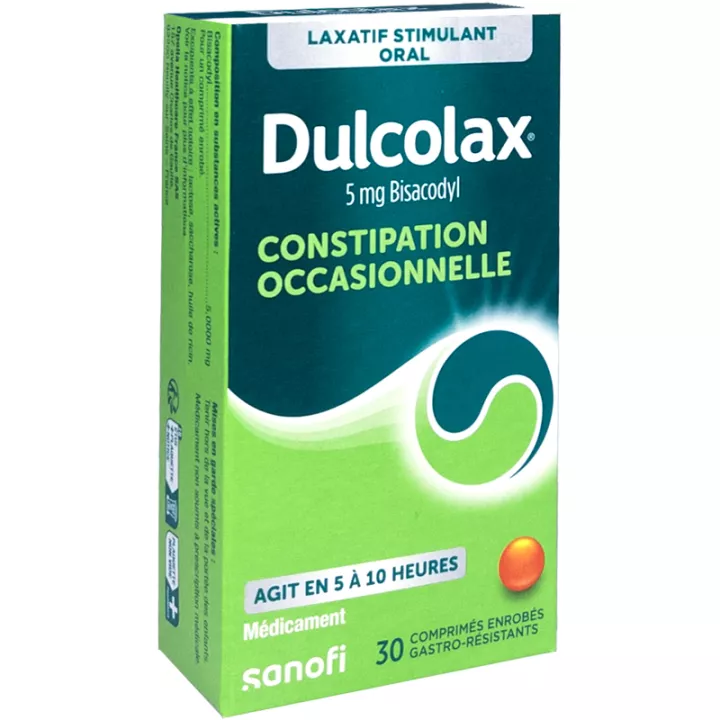
Dulcolax 5 mg Bisacodyl 30 tablets Dulcolax 5 mg Bisacodyl 30 tablets
€5.95
Add to cart
Shipped within 24h
Dulcolax 6 Suppositories for constipation Dulcolax 6 Suppositories for constipation
€5.49
Add to cart
Shipped within 24h
Chlorumagene SERP Laxative powder 100g Chlorumagene SERP Laxative powder 100g
€10.99
Add to cart
Shipped within 24h
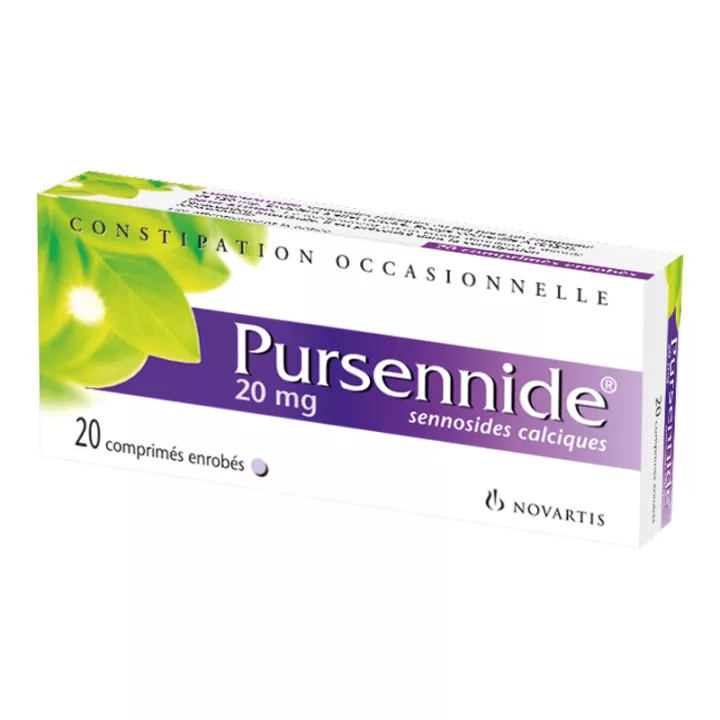
Pursennide Occasional Constipation 20 tablets Pursennide Occasional Constipation 20 tablets
€5.12
Add to cart
Shipped within 24h
Contalax Constipation 30 tablets Contalax Constipation 30 tablets
€5.99
Add to cart
Shipped within 24h