The black radish (Raphanus sativus var. niger) is a fleshy root vegetable in the Brassicaceae family, a cousin of cabbage, broccoli, and horseradish. Its reputation for supporting liver and gallbladder health stems from its exceptionally high content of glucosinolates, which, when crushed, release active sulfur compounds (isothiocyanates, raphanin) combined with flavonoids and vitamin C. Listed in the European Pharmacopoeia, black radish is one of the major plant-based cholagogues, traditionally used after periods of overeating.
Its sulfur compounds account for a unique profile among plants in the detox category:
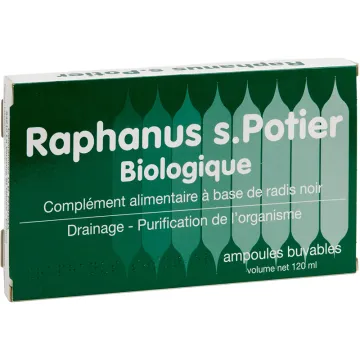
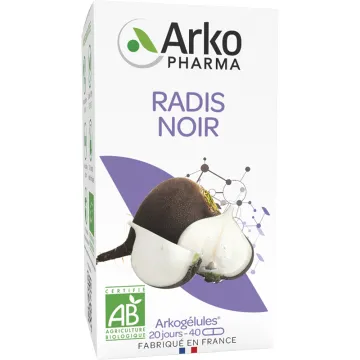
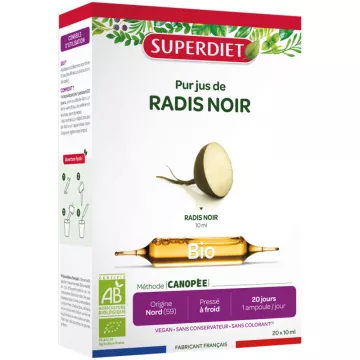
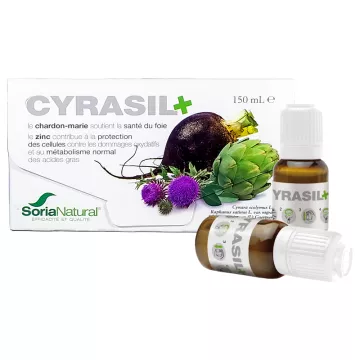
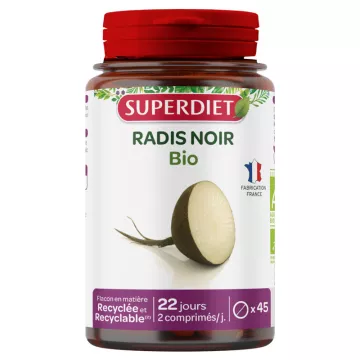
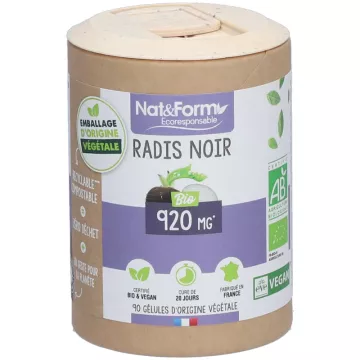
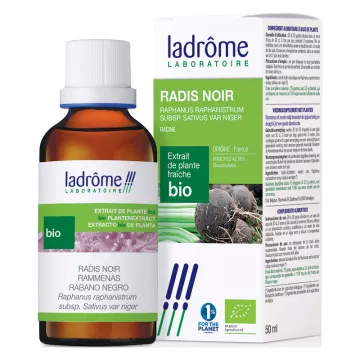
Several dosage forms are available depending on the goal:
Black radish works in two ways: it increases bile production by the liver and stimulates its release from the gallbladder. This dual action explains its perceived effectiveness after fatty meals and its traditional use to support gallbladder health. It is also for this very reason that it is strictly contraindicated in cases of gallstones or bile duct obstruction, where it could trigger an attack.
Better bile mobilization facilitates the digestion of fats and reduces feelings of heaviness. Black radish thus helps improve digestion in a broad sense and has a mild effect on bowel movements. Its effect on the gut microbiota, complemented by appropriate probiotics, can contribute to a better intestinal balance during the treatment.
The sulfur compounds in black radish are being studied for their role in lipid metabolism. It complements natural approaches to managing cholesterol but is not a substitute for medical treatment in cases of hypercholesterolemia. As for the skin, by supporting the liver’s detoxification functions, it indirectly benefits dull or blemish-prone skin as part of a comprehensive detoxification regimen.
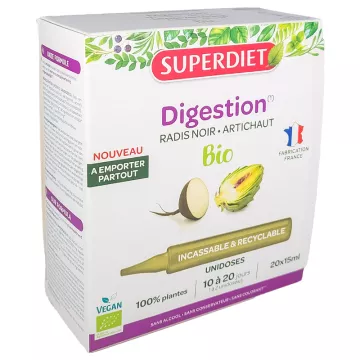
There are numerous complementary liver-supporting combinations: