
Physical fatigue is a reduction in the muscles’ ability to produce the required strength or endurance. It occurs in three main contexts:
Identifying the predominant type directly determines the choice of active ingredients—a post-workout BCAA supplement will not correct deficiency-related fatigue, and magnesium alone will not resolve chronic overtraining fatigue without sufficient rest.
Magnesium plays a role in ATP synthesis (muscle fuel), the relaxation of actomyosin after contraction, the regulation of intracellular calcium, and neuromuscular transmission. A deficiency leads to cramps, muscle spasms, and premature muscle fatigue. Formag Magnesium for Adults by Pileje (orodispersible sticks, bisglycinate + vitamins B6 and B9) is particularly well-suited for physical fatigue—bisglycinate is the most easily absorbed form and the least likely to cause a laxative effect, and the combination of B6 and B9 optimizes cellular utilization of magnesium.
BCAAs (leucine, isoleucine, valine—5–10 g before and after exercise) are directly oxidized by muscle fibers during exercise. Supplementing with them reduces muscle breakdown, lowers ammonia production (the primary cause of central fatigue), and speeds up recovery. Creatine (phosphocreatine, 3–5 g/day) replenishes depleted muscle ATP in less than a second—and has been shown to be effective for short, intense workouts and for reducing post-workout muscle soreness by decreasing muscle oxidative stress.
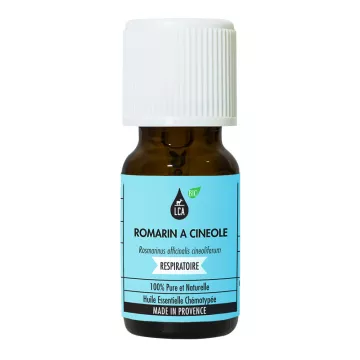
Cineole-rich rosemary (Rosmarinus officinalis ct cineole, 1,8-cineole ≥ 40%) improves blood circulation in the muscles, oxygenates tissues, and exerts a cellular antioxidant effect—when applied topically as a 5% dilution in a vegetable oil before exercise or used in a diffuser. In homeopathy, Silicea 6DH targets conditions of structural weakness characterized by profound physical fatigue and tissue fragility. Bellis perennis (Boiron granules, “deep muscle arnica”) treats deep muscle bruises and fatigue in muscles that have undergone prolonged exertion—complementary to Arnica montana, which acts more superficially.
Most cases of physical fatigue respond to rest, proper nutrition, and targeted supplementation. A medical evaluation is warranted if physical fatigue persists for more than 2–3 weeks despite adequate rest, or if it is accompanied by unexplained muscle pain, diffuse myalgia, recurrent nighttime cramps, or asymmetric muscle weakness. Hypothyroidism, severe vitamin D deficiency, overtraining syndrome, or early-stage myopathy should be ruled out through blood tests. Transient fatigue can be alleviated with a short course of supplementation lasting 7–14 days, whereas persistent general fatigue warrants a more thorough investigation of its underlying cause.
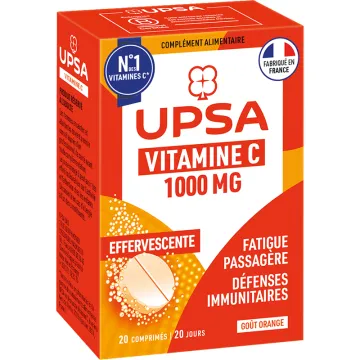
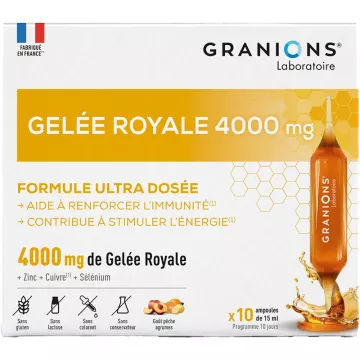
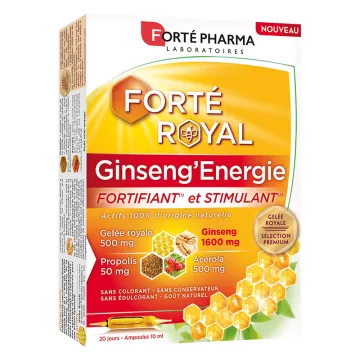
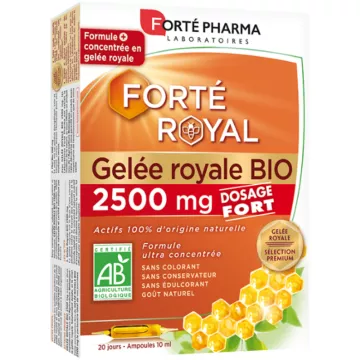
Optimal physical recovery depends on specific nutritional routines. Within 30 minutes after exercise: fast-acting protein (whey or BCAAs, 20–25 g) to initiate muscle protein resynthesis, carbohydrates with a moderate glycemic index (40–60 g) to replenish liver and muscle glycogen, vitamin C (500–1,000 mg, UPSA 1,000 mg effervescent) as a post-workout antioxidant and cofactor for collagen synthesis. Within 2 hours after exercise: magnesium bisglycinate (300–400 mg) to promote muscle relaxation and prevent nighttime cramps. The next day: royal jelly (Granions 4,000 mg or Forté Pharma 1,000 mg ampoules) and Berocca Boost sticks (vitamins B + C + magnesium + zinc) meet the micronutritional needs of the post-workout muscle cell recovery phase.