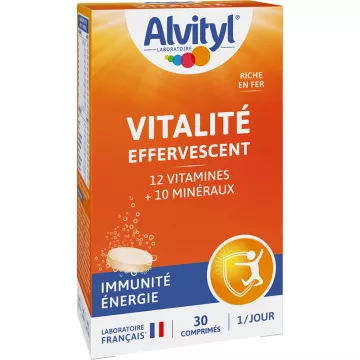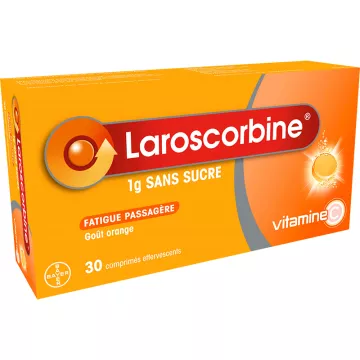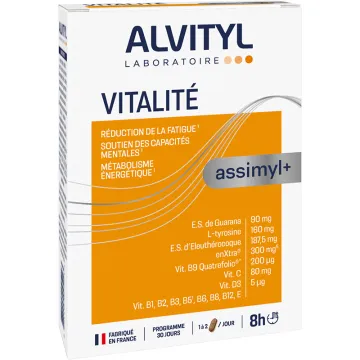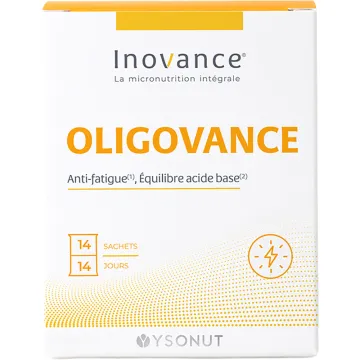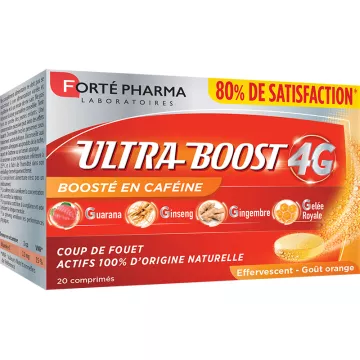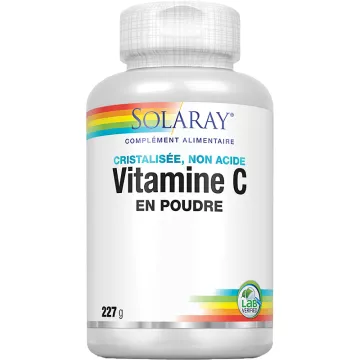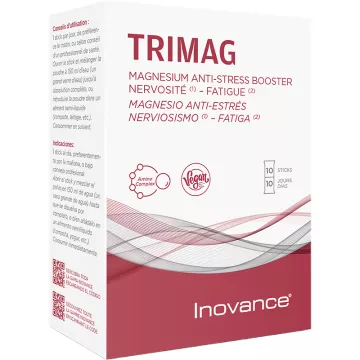
Transient fatigue is a short-term episode (3 to 14 days) that occurs in a specific context—such as occasional overexertion, a change in season, insufficient sleep, intense physical activity, or a mild infection. It differs from chronic asthenia (lasting more than 4–6 weeks and unresponsive to rest) in that it resolves quickly: fatigue is present in the evening but disappears after a good night’s sleep, recovery is possible over the weekend, and there are no warning signs. A vitamin D deficiency—particularly common in late winter—can perpetuate and prolong temporary seasonal fatigue that does not respond to standard treatments.
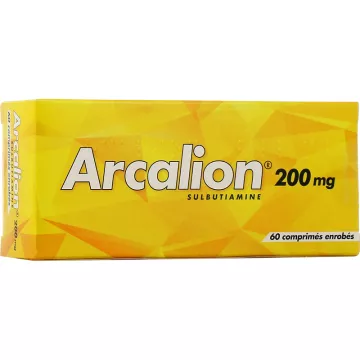
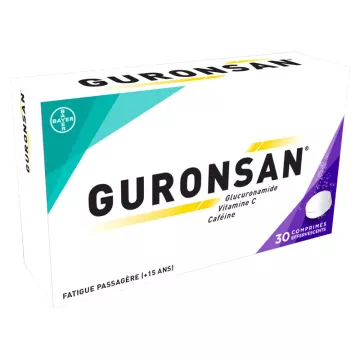
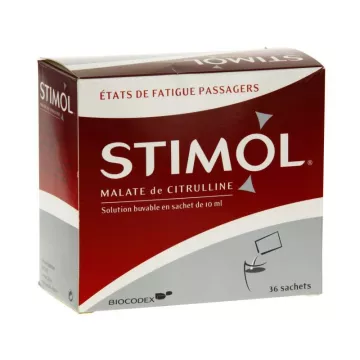
Three over-the-counter medications specifically target temporary fatigue. Guronsan (500 mg vitamin C + 300 mg glucuronolactone + 50 mg caffeine, effervescent) combines a vitamin antioxidant, a liver detoxifier, and a mild dose of caffeine—providing fast-acting and versatile relief. Arcalion 200 mg (sulbutiamine, a fat-soluble derivative of vitamin B1 that crosses the blood-brain barrier) targets functional fatigue with a cognitive component—for a maximum of 4 weeks. Stimol (citrulline malate, sachets or ampoules) accelerates the elimination of muscle ammonia and boosts the Krebs cycle—recommended for post-exercise physical fatigue.
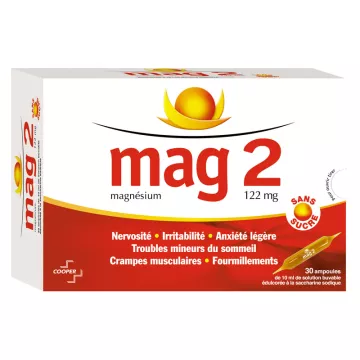
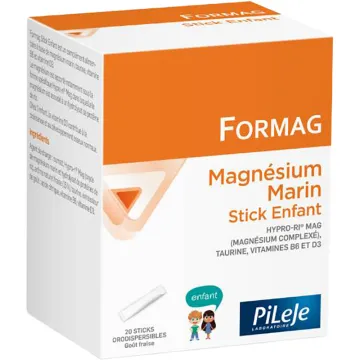
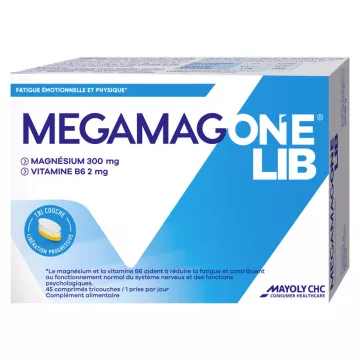
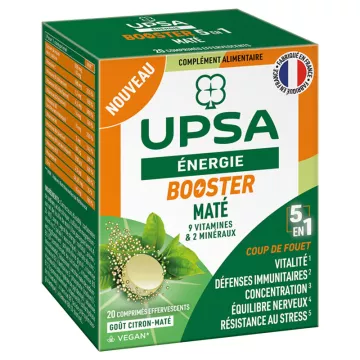
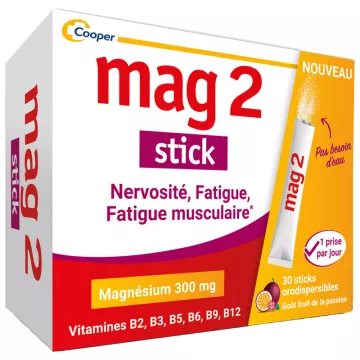
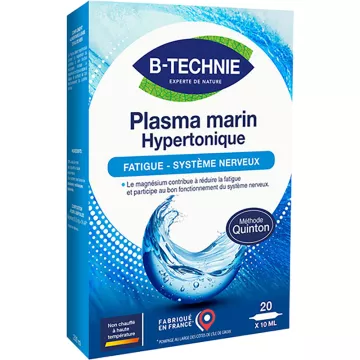
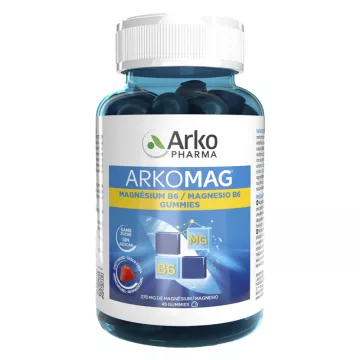
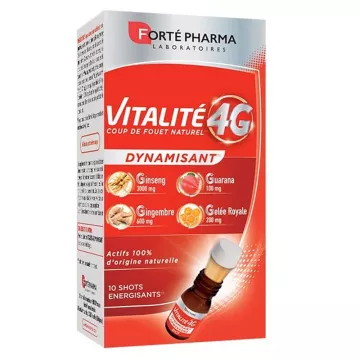
The dosage form of magnesium directly influences absorption and adherence. Pidolate ampoules (122 mg) offer rapid absorption for acute episodes. Orodispersible sticks dissolve in the mouth without water—convenient for on-the-go use. Extended-release tablets improve cellular retention over 24 hours—preferable for sensitive digestive systems. Pediatric marine magnesium sticks are the only formula suitable for children ages 4 to 12 experiencing school-related fatigue. UPSA Booster 5-in-1 and Vitascorbol Energy (effervescent tablets, red ginseng + vitamins B + C + zinc) round out the lineup for adults.
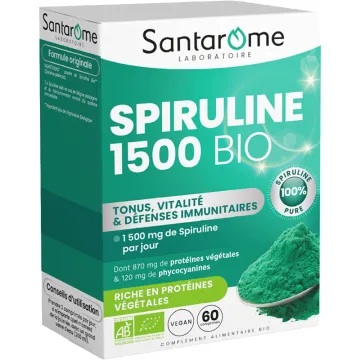
Three superfoods with complementary profiles. Spirulina (60 organic tablets) provides complete proteins, bioavailable iron, B vitamins, and phycocyanin—ideal for fatigue caused by nutritional deficiencies or after physical exertion. Freeze-dried pollen (BCAAs + vitamins B and E + enzymes) is a natural multivitamin suitable for seasonal fatigue. Chlorella (sporopollenin + chlorophyll + CGF) helps eliminate metabolic waste and accelerates cellular recovery. Horsetail (Equisetum arvense, bioavailable silica + minerals) supports remineralization and the integrity of cell membranes—a key foundation for addressing recurrent fatigue in individuals with mineral deficiencies.
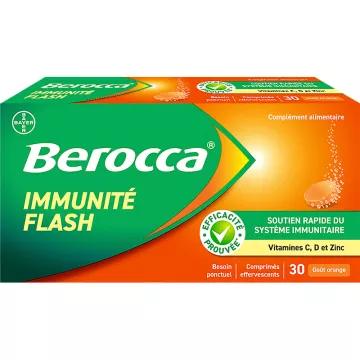
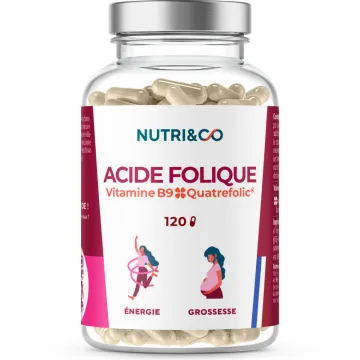
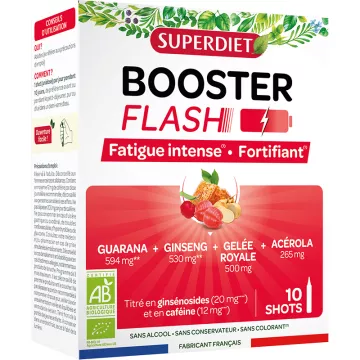
Fast-acting formulas (effervescent tablets, citrulline, Guronsan): 7 to 14 days—if no improvement is seen beyond this period, it indicates that the fatigue has progressed beyond a temporary stage. Royal jelly (1,800 mg organic): at least 3 to 4 weeks. Magnesium: 4 to 8 weeks, monitoring for digestive tolerance.Folic acid (vitamin B9) warrants evaluation in young women or those taking oral contraceptives—a deficiency, which often goes unrecognized, exacerbates fatigue by disrupting cellular methylation. Spirulina and chlorella: half the dose for the first week, then gradually increase.
Persistence for more than 3 weeks despite supplementation, unintentional weight loss, night sweats, swollen lymph nodes, or fever → seek medical advice. Systematic energy crashes after meals combined with sugar cravings point to glycemic instability— chromium (a cofactor of the glucose tolerance factor) improves insulin sensitivity and stabilizes daytime blood glucose levels. Fatigue accompanied by capillary fragility, ridged nails, or dry skin may indicate a deficiency in organic silicon —a trace element whose deficiency affects overall cellular integrity. Recurrent temporary fatigue (several episodes per year) warrants a comprehensive nutritional evaluation.