What is gastroenteritis, and how does it differ from food poisoning?
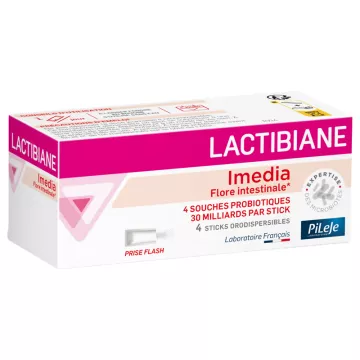
Gastroenteritis is an inflammation of the stomach and small intestine—most often caused by a virus, unlikefood poisoning (which is caused by bacteria or toxins). In France, there are an estimated 9 million cases of viral gastroenteritis each winter—with the epidemic peaking from November through March. Our line of probiotics helps restore the gut microbiome after an episode.
- Norovirus: the leading cause of gastroenteritis outbreaks in group settings (nursing homes, cruise ships, restaurants) — incubation period 12–48 hours — severe vomiting + diarrhea — duration 24–72 hours — highly contagious (high viral load in vomit and stool)
- Rotavirus: the leading cause of severe gastroenteritis in children under 5 years of age — fever + vomiting + watery diarrhea — rapid dehydration — vaccination available (Rotarix, RotaTeq) recommended for infants
- Astrovirus, enteric adenovirus: rarer viral causes, primarily in children
- Difference from food poisoning: person-to-person transmission (not just through food) — longer incubation period — symptoms generally last for a shorter time — no antibiotics required
- Transmission: soiled hands, contaminated surfaces, droplets from vomit — norovirus survives for up to 72 hours on surfaces — handwashing with soap is mandatory (hand sanitizer is less effective against norovirus)
How to treat gastroenteritis and prevent dehydration?
Rehydration is the top priority—the leading cause of death from gastroenteritis in young children in resource-limited countries.
- Oral rehydration solutions (ORS): WHO formulation—sodium, potassium, and glucose in optimal proportions — to replace fluids and electrolytes lost through vomiting and diarrhea — administer in small, frequent doses (5–10 mL every 5 minutes for children) — never substitute with plain water, soda, or fruit juice
- BRAT diet: Banana, Rice, apple sauce (Apple), toast (Toast)—resume eating after 4–6 hours of rehydration—light, non-fatty, non-spicy foods—return to a normal diet within 24–48 hours
- Smectite (Smecta): intestinal adsorbent — binds viruses and toxins — reduces the duration and severity of diarrhea — safe for children 2 years and older, as well as pregnant and breastfeeding women
- Loperamide (Imodium): contraindicated if fever > 38.5°C, blood in the stool, or in children under 2 years of age — slows bowel movements but does not fight the virus
- Signs of severe dehydration requiring emergency care: crying without tears, sunken fontanelle, sunken eyes, no urine for more than 6 hours in children, altered consciousness
Probiotics and nutrition to support recovery
- Probiotics (Saccharomyces boulardii — Ultralevure®): the most well-documented medicinal yeast for gastroenteritis — reduces the duration of diarrhea by an average of 1 day according to meta-analyses — can be taken as soon as the first symptoms appear — see our range of probiotics
- Lactobacillus rhamnosus GG: a probiotic with documented efficacy in children for viral gastroenteritis — promotes faster restoration of the gut microbiota
- Foods to avoid during gastroenteritis: dairy products (temporary decrease in lactase), fats, spices, alcohol, coffee—gradually reintroduce them within 48–72 hours
- Foods to prioritize: broths, rice water, fruit compote with no added sugar, plain yogurt (a source of natural probiotics) once vomiting has subsided
- See our page on intestinal transit for complete recovery of the microbiota after the episode
Prevention and containment measures in group settings
- Handwashing: soap and water for 30 seconds—before meals, after using the restroom, after contact with a sick person—norovirus is resistant to hand sanitizers (hydroalcoholic gels)—soap remains essential
- Surface disinfection: diluted bleach (0.5% active chlorine) on surfaces contaminated with vomit or feces—ventilate the room—dispose of waste in a sealed bag
- School or work exclusion: 48–72 hours after symptoms have resolved is recommended — particularly in kitchens, daycare centers, and nursing homes
- Rotavirus vaccination: Rotarix (2 doses) or RotaTeq (3 doses)—to be administered between 6 and 24 weeks of age—recommended by the HAS—reduces hospitalizations for rotavirus gastroenteritis in infants by 85–98%
- Outbreaks of foodborne illness in group settings: mandatory reporting to the ARS — epidemiological surveillance to limit the spread