What is vomiting, and how can it be distinguished from nausea?
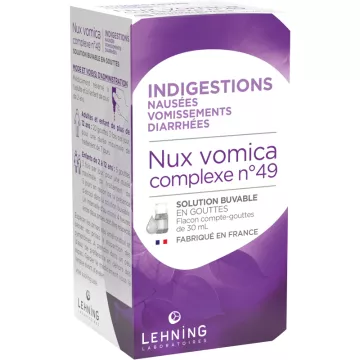
Vomiting is the active and forced expulsion of stomach contents through the mouth—as opposed to passive regurgitation (GERD) and nausea (a sensation without expulsion). It results from complex neuromuscular coordination involving the bulbar vomiting center. Arnaud, Ph.D. in Pharmacy, reminds us that rehydration is the top priority. Check out our digestive medications and antiemetic ingredients for quick relief.
- Vomiting after eating (< 6 hours after a meal): food poisoning, acute gastritis—see our food poisoning page
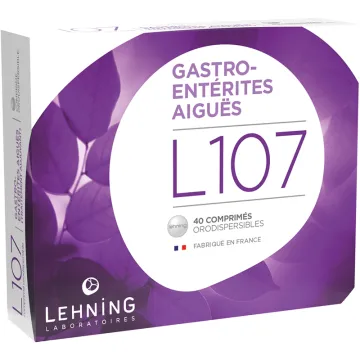
- Infectious vomiting: viral gastroenteritis (norovirus, rotavirus)—see our gastroenteritis page—sudden onset + associated diarrhea
- Pregnancy-related vomiting: 70–80% of pregnant women in the first trimester — β-hCG + progesterone — hyperemesis gravidarum (< 3 % des grossesses) si >, weight loss of 3 kg — vitamin B6 + doxylamine
- Drug-induced vomiting: chemotherapy, opioids, antibiotics (erythromycin, metronidazole), metformin — adjust the dosage or switch to a different medication in consultation with your doctor
- Neurological/other causes of vomiting: intracranial hypertension (ICH) — severe headache + projectile vomiting without prior nausea → call 15 (meningitis, stroke, CT scan)
Appearance of the vomit: a key diagnostic indicator
- Food-based vomiting: recognizable gastric contents — benign cause (indigestion, gastritis) if episodic
- Biliary vomiting (yellow-green): presence of bile → regurgitated duodenal contents → suspect intestinal obstruction if recurrent + no stools or gas → surgical emergency
- Hematemesis (bright red blood in the vomit): bleeding ulcer, esophageal varices, Mallory-Weiss syndrome → call 15 immediately — see our page on stomach ulcers
- “Coffee grounds” vomit (digested blood, brown appearance): upper gastrointestinal bleeding — hospital emergency
- Fecal-like vomiting: fecal odor + high colonic obstruction — absolute surgical emergency
Rehydration and natural management of vomiting
Rehydration is the number one priority — find oral rehydration solutions and antiemetic ingredients in our digestive comfort line.
- ORS (Oral Rehydration Solution): water + salt + sugar in precise proportions — replenishes fluid and electrolyte losses (Na+, K+, Cl-) — should be sipped in small doses (5–10 mL every 5 minutes) to avoid triggering vomiting again — essential for infants and children
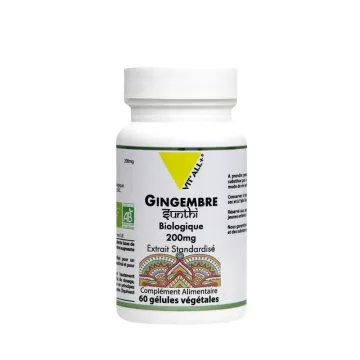
- Ginger: the best-documented natural antiemetic — 250–500 mg of standardized extract every 4 hours — acts on 5-HT3 receptors — fresh ginger tea is very well tolerated — available in capsules in our digestive supplement line
- Acupressure at point P6 (Neiguan): inner side of the wrist, 3 finger-widths above the wrist crease — apply pressure for 3–5 min or use an acupressure wristband — proven effective for pregnancy-related and postoperative vomiting
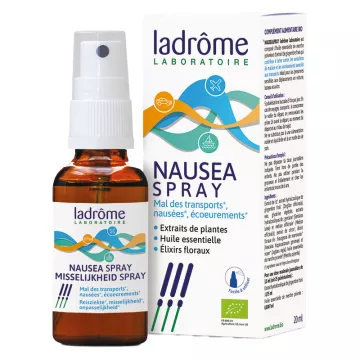
- Peppermint (mild tea or inhaled essential oil): soothes the enteric nervous system + acts as a gastric antispasmodic — a few drops of essential oil on a tissue to inhale
- Gradual resumption of eating (BRAT diet + hydration): plain water → clear liquids → broth → banana + rice + applesauce + toast — avoid dairy, fatty, and fibrous foods for the next 24–48 hours
Medication, children, and emergencies
- Domperidone (Motilium): prokinetic antiemetic — do not use for > 7 days — contraindicated in cases of cardiac arrhythmia — effective for mild digestive and post-chemotherapy vomiting
- Ondansetron (anti-5HT3): the standard of care for chemotherapy-induced vomiting — hospital prescription only — also used for severe pregnancy-related vomiting
- Children under 2 years of age: no over-the-counter antiemetics — risk of rapid dehydration → immediate oral rehydration therapy (ORT) + consult a pediatrician if vomiting lasts more than 6 hours or if there are signs of dehydration (sunken eyes, depressed fontanelle, crying without tears, skin that does not spring back)
- Severe pregnancy-related vomiting (hyperemesis gravidarum): hospitalization + IV infusion + vitamin B1 (thiamine)—never allow the condition to progress without treatment
- Absolute emergencies: vomiting blood — bilious vomiting + bowel obstruction — vomiting after a head injury (traumatic brain injury) — vomiting + severe localized abdominal pain — headaches + projectile vomiting without nausea → call 15