TAXUS BACCATA Homeopathic Granules by Boiron
Please refer to the package insert for TAXUS BACCATA 5CH, 7CH
TAXUS BACCATA, more commonly known as the common yew, is a homeopathic remedy produced by Boiron. It is made from the yew tree, parts of which are used to prepare the remedy. This remedy is used in various medical fields, such as gastroenterology, rheumatology, and dermatology.
Taxus baccata exemplifies the richness of the homeopathic pharmacopoeia, which includes plant-based remedies with diverse therapeutic properties. Its use in homeopathy reflects the holistic approach of this medical practice, which seeks to harness the natural powers of plants to promote health and well-being. Available in vials and compounded preparations, Taxus Baccata offers a natural and customizable treatment option tailored to patients’ unique needs.
Choosing the Right Dilution of TAXUS BACCATA in Homeopathy
Depending on the type of symptoms to be treated, different dilutions are used.
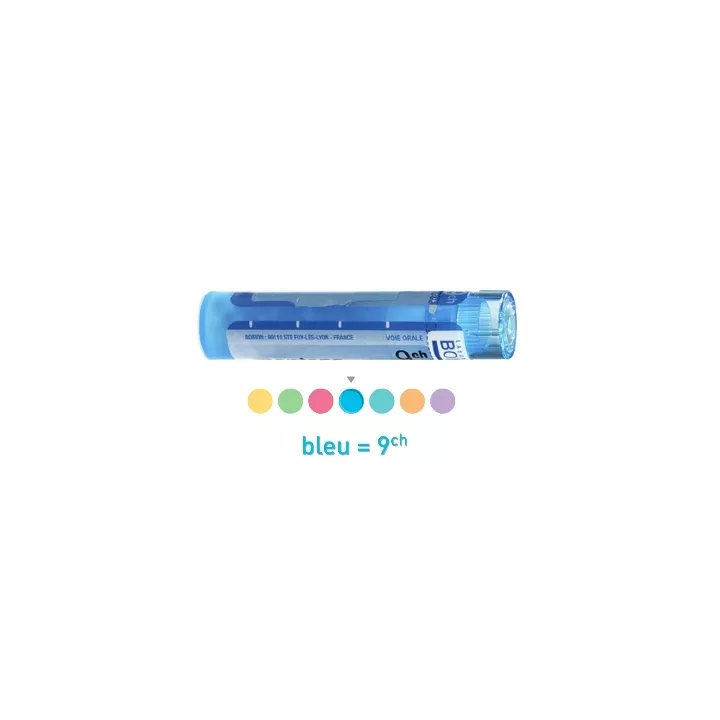
- Low dilutions (4CH–5CH) are used for localized symptoms
- Medium dilutions (7CH–9CH) are used to treat more general symptoms
- High dilutions (15CH–30CH) are intended for behavioral disorders
Boiron’s TAXUS BACCATA offers a homeopathic approach to treating various conditions, ranging from digestive disorders to joint pain and skin problems. However, it is crucial to follow medical guidelines and take the necessary precautions—particularly regarding alcohol and sugar content—to ensure the safe and effective use of this medication.
Indications and Dosage
The homeopathic physician selects the appropriate dilution of TAXUS BACCATA for each condition or symptom.
TAXUS BACCATA 5CH is indicated for
- Gastroenterology: Treatment of digestive intoxications, characterized by a sensation of hunger accompanied by malaise, vomiting, diarrhea, and syncope.
- Rheumatology: Relief of joint pain, particularly in the elbow and big toe, often accompanied by moderate sensory and motor deficits. Also useful in cases of tennis elbow.
- Dermatology: Treatment of skin rashes characterized by large, itchy vesicles and pustules.
Support in Gastroenterology for Digestive Disorders
Boiron’s Taxus Baccata offers an effective homeopathic treatment for digestive intoxication. If you suffer from symptoms such as a feeling of hunger followed by nausea, vomiting, diarrhea, or fainting, Taxus Baccata can provide significant relief by helping to restore digestive balance naturally.
Relief from Joint Pain and Tennis Elbow
In rheumatology, Taxus Baccata has proven to be a valuable ally for people suffering from joint pain, particularly in the elbow and big toe. It is particularly indicated for treating the symptoms of tennis elbow, providing pain relief as well as improvement in associated moderate sensory and motor deficits.
A Solution for Itchy Skin Conditions
Taxus Baccata is also used in dermatology to treat cases involving the appearance of large, itchy blisters and pustules. By acting directly on the cause of skin irritations, this homeopathic remedy helps soothe itching and promote skin healing, thereby improving comfort and the overall condition of the skin.
Recommendations for Use of TAXUS BACCATA and Instructions for Use
Twist the tube to dispense the desired number of granules into the cap, then place the TAXUS BACCATA 5CH or 7CH homeopathic granules under the tongue.
The dosage must be adjusted according to a doctor’s prescription, as it varies depending on the condition being treated. The granules should be taken orally, away from meals, tobacco, coffee, or mint. For adults and children over 6 years of age, allow the granules to dissolve completely under the tongue. For children under 6 years of age, it is recommended to dissolve the granules in a small amount of water.
For oral drops, it is crucial to allow at least a 4-hour interval between doses.
How should Taxus baccata be used for digestive disorders?
It is recommended to take 5 granules of Taxus Baccata at the recommended dilution (5CH or 7CH) three times a day. However, it is recommended to consult a healthcare professional for a personalized dosage.
How long does it take to see an improvement with Taxus baccata?
The effects of Taxus Baccata may vary depending on the individual and the nature of the symptoms. Improvement may be observed after a few weeks of regular use.
Are there any side effects associated with using Taxus baccata?
Taxus Baccata is well tolerated, and side effects are rare in homeopathy. If you experience any unusual reactions, it is important to consult a healthcare professional.
Can Taxus baccata be used in combination with other treatments?
Yes, Taxus baccata can generally be used in conjunction with other treatments. To avoid any interactions, it is advisable to consult a healthcare professional.
Is Taxus baccata suitable for all ages?
Taxus Baccata can be used by people of various ages, but it is best to consult a healthcare professional for advice tailored to each individual case, particularly for children and the elderly.
Precautions and Contraindications
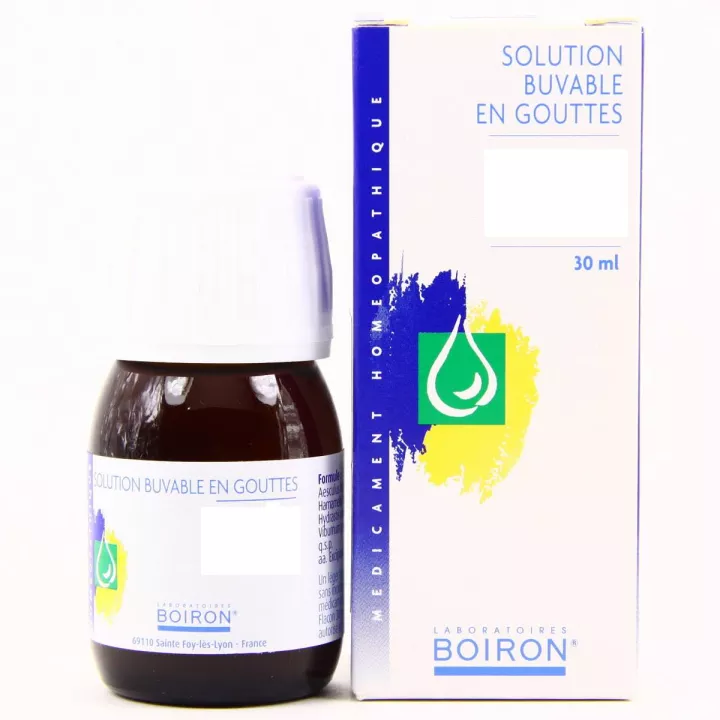
It is essential to take certain precautions before using this medication. For the oral drops, note that the product contains alcohol (39% v/v), which is equivalent to 0.06 g of alcohol per 10 drops. The medication should not be administered without medical advice and must be kept out of the reach of children.
In addition, TAXUS BACCATA contains sucrose and lactose. Patients who are intolerant to these substances, as well as those with fructose intolerance, glucose-galactose malabsorption syndrome, sucrase-isomaltase deficiency, galactose intolerance, Lapp lactase deficiency, or glucose-galactose malabsorption syndrome, should consult a doctor before using this medication.
Availability
TAXUS BACCATA is available in tubes of granules and can also be prepared as a compounded formulation. Available dilutions range from 4 CH to 7 CH, offering a range of options for homeopathic treatment.
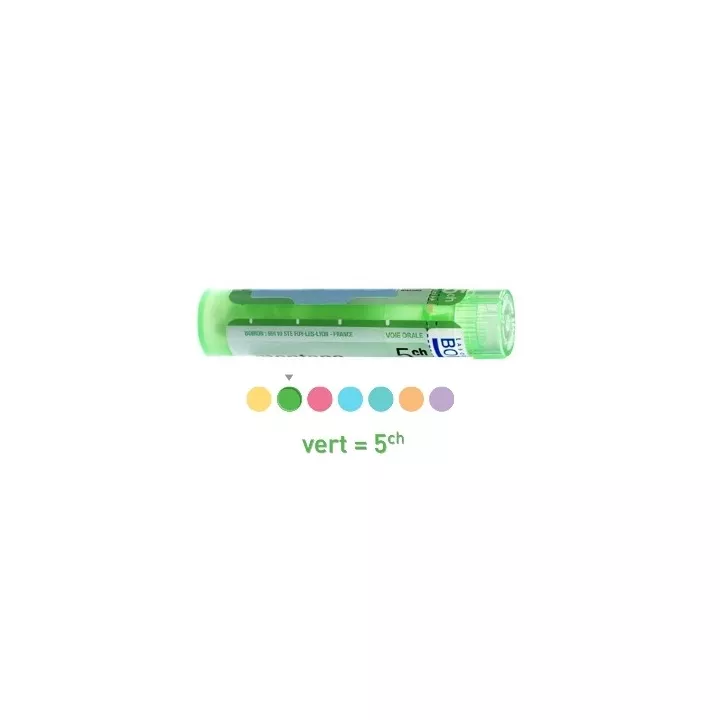
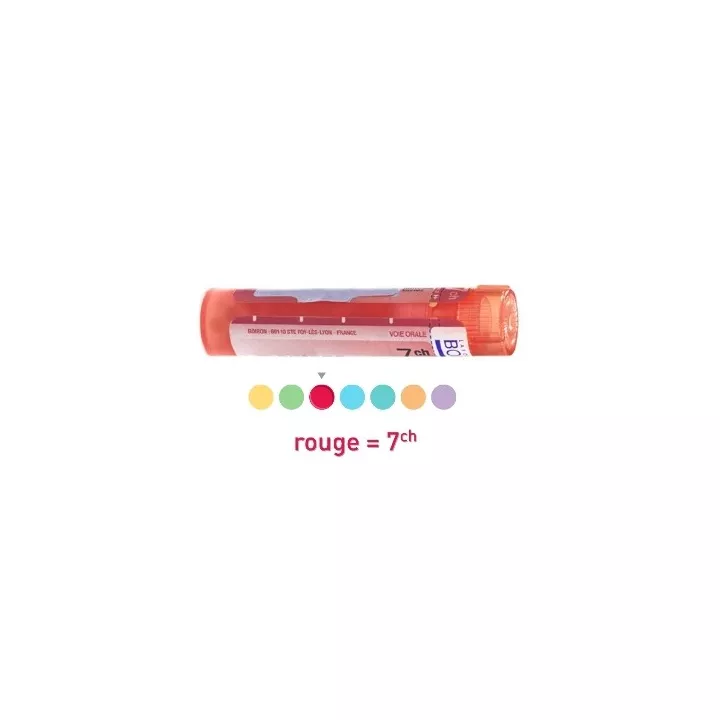
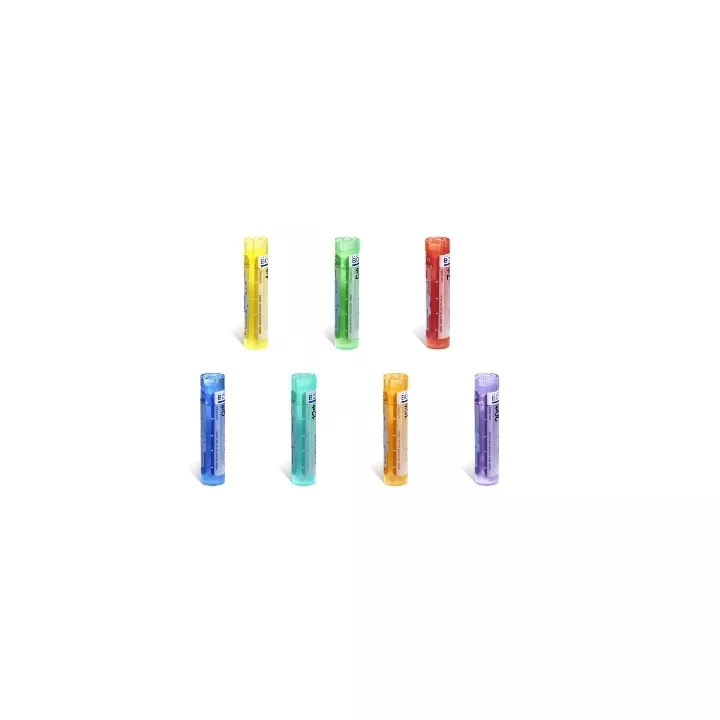
Translucent tube of granules. Weight: 4 g. Approximately 80 homeopathic granules of TAXUS BACCATA 5CH, 7CH
Taxus baccata, commonly known as the common yew, is a plant-based homeopathic remedy derived from this evergreen tree. With registration number EH02070, this homeopathic strain is recognized for its therapeutic potential and is available in various forms for personalized use in homeopathic medicine. This article explores Taxus baccata and its use in homeopathy in detail.
Origin and Preparation
The common yew is a tree that has long been associated with various medicinal uses across many cultures. In homeopathy, Taxus baccata is prepared from the tree’s young shoots through a process of dilution and potentization designed to minimize toxicity while preserving the plant’s beneficial properties.
Available Formulations
Tubes: Taxus baccata is available in homeopathic tubes at dilutions of 5 CH and 7 CH. These potencies allow practitioners to choose the most appropriate dilution based on the patient’s symptoms and sensitivity, thereby offering a customized treatment approach.
Compounded Preparations: For even greater treatment customization, Taxus baccata is also available for compounded preparations, with Hahnemannian dilutions starting at 4 CH. This option ensures that prescriptions can be precisely tailored to each patient’s specific needs.
Therapeutic Applications
The use of Taxus baccata in homeopathy may be considered for its effects on the cardiovascular system and in the treatment of certain conditions related to blood circulation. Although specific applications should always be determined by a qualified practitioner, Taxus baccata may offer therapeutic support as part of a comprehensive homeopathic treatment.