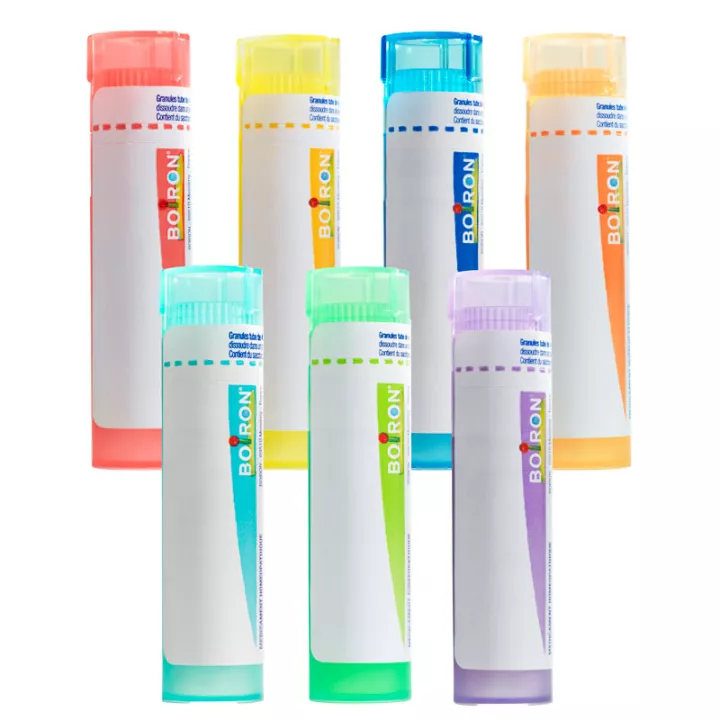
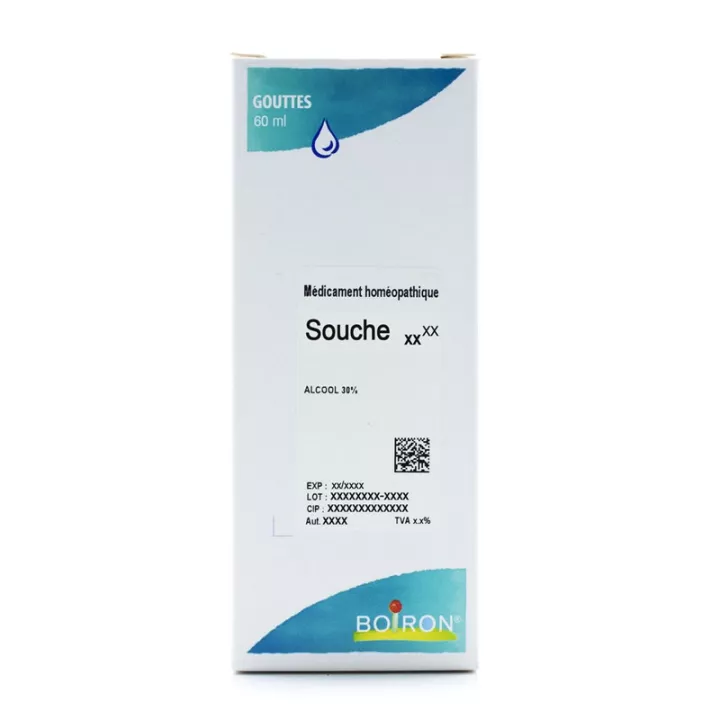
ACANTHUS MOLLIS Homeopathic Granules by BOIRON
Unregistered medication
French name: ACANTHE MOLLE
Origin: Plant-based
ACANTHUS MOLLIS 6DH is a homeopathic medicine manufactured by Boiron
Available from TM to 30 CH
Acanthus Mollis, a Plant in the Service of Homeopathy
Acanthus Mollis, available as a mother tincture and used exclusively in compounded preparations, is a striking example of the use of natural resources in homeopathy. Its ability to be tailored to patients’ individual needs makes it a valuable therapeutic option, reinforcing the personalized and respectful approach of homeopathic medicine. The inclusion of Soft Acanthus in homeopathic treatments illustrates the richness and diversity of possibilities offered by plants in the field of natural health.
Choose ACANTHUS MOLLIS by Boiron, an effective homeopathic remedy for colitis, enteritis, gastrocolitis, and laryngotracheitis. Discover a gentle approach to your gastroenterological and ENT well-being.
Indications and Dosage
ACANTHUS MOLLIS homeopathic granule tubes can be used for a variety of symptoms; therefore, it is not possible to specify the indications and dosage for a specific preparation.
The homeopathic physician selects the appropriate remedy, dilution, and dosage based on the patient’s health condition and characteristic symptoms.
ACANTHUS MOLLIS: Homeopathic Solution for Digestive and Respiratory Well-being
ACANTHUS MOLLIS, available from Boiron in dilutions of 4CH, 15CH, 30CH, and 8DH, is a key homeopathic remedy for gastroenterological and ENT conditions. This remedy is specifically formulated to provide natural and gentle relief for colitis, enteritis, gastrocolitis, and laryngotracheitis.
Gastrointestinal Relief with ACANTHUS MOLLIS
In gastroenterology, ACANTHUS MOLLIS proves to be a valuable ally against digestive disorders such as colitis, enteritis, and gastrocolitis. Thanks to its targeted action, this homeopathic remedy helps reduce inflammation and associated discomforts, such as abdominal pain, cramps, and intestinal disturbances, thereby promoting calmer and more comfortable digestion.
ENT Support: Treatment of Laryngotracheitis
In the field of ENT, ACANTHUS MOLLIS is particularly effective in treating the symptoms of laryngotracheitis. This remedy provides relief from irritation and inflammation of the respiratory tract, thereby reducing hoarseness, coughing, and breathing difficulties. Its gentle action makes it an ideal option for those seeking an alternative to more aggressive treatments.
A Gentle and Natural Remedy
The availability of ACANTHUS MOLLIS in various dilutions allows for precise tailoring of the treatment to each patient’s specific needs. Whether you are dealing with digestive or respiratory issues, this homeopathic remedy offers a personalized approach that respects your body, thereby promoting a harmonious return to health.
Dosage and Administration
This medication is intended for adults only; use in children requires a doctor’s recommendation.
ACANTHUS MOLLIS 6DH oral solution in drops. The drops should be diluted in a small amount of water.
These dosages are provided for general guidance only and may vary depending on the nature of the medication and the clinical context.
Dilution (oral solution in drops)
30- or 60-ml bottle (600 or 1,200 drops)
Usual dosage
Adults: 10 to 15 drops per dose
Children under 12 years of age: 1 drop per year of age; do not exceed 10 drops per dose.
Do not administer without medical advice.
2 to 3 times a day.
Oral use
Dilute in a small amount of water,
Composition
ACANTHUS MOLLIS 6DH in homeopathic dilution by Boiron, 60-ml bottle
Acanthus Mollis: Exploring Soft Acanthus in Homeopathy
Acanthus Mollis, more commonly known as Soft Acanthus in French, is a plant that has captured the attention of the homeopathic community due to its unique properties and botanical origin. This strain is distinguished by its exclusive availability in the form of a compounded preparation, including the mother tincture (TM), which constitutes the first dilutable form in homeopathy.
Botanical Origin and Use
Acanthe Molle derives its benefits from its rich and varied composition, which comes directly from its natural components. Recognized for its therapeutic potential, it is primarily used in homeopathic compounded preparations, offering a natural alternative for treating various health conditions. Its plant-based origin ensures a treatment option that is gentle on the body, harnessing the benefits of plants.
Compounded Preparations and Mother Tincture
The unique feature of Acanthus mollis lies in its form of preparation:
- Mother Tincture (MT): The mother tincture serves as the basis for all subsequent homeopathic dilutions. Its production from the fresh plant preserves all of Acanthus mollis’s active ingredients, providing a highly concentrated and effective remedy.
- Compounded Preparations: The exclusive use of Acanthus mollis in compounded preparations underscores homeopathy’s personalized approach. This method allows the treatment to be tailored to each patient’s specific needs, based on their symptoms and individual response to the remedy.
Therapeutic Application
Although Acanthus mollis is primarily available as a mother tincture, its use in compounded preparations opens up a wide range of therapeutic possibilities. Homeopathic practitioners can thus fully harness the potential of this plant to design customized treatments aimed at improving well-being and treating health imbalances in a holistic manner.
Directions for Use
Remove the tab, turn the ACANTHUS MOLLIS tube upside down, and gently pull the cap.
Turn the tube to dispense the desired number of granules into the cap, then place the granules under the tongue.
It is recommended that you do not touch the granules or homeopathic globules with your fingers.
The globules from the dose tubes are taken all at once by allowing them to dissolve slowly under the tongue. If a specific dose is not available, take 10 granules of the same dilution.
Do not consume astringent substances—such as coffee, tobacco, camphor, mint, or chamomile—within half an hour before taking homeopathic medicines.
Use a mint-free toothpaste (such as Homéodent BOIRON).
- How do I choose the appropriate dilution of ACANTHUS MOLLIS? The selection of the dilution should be made under the guidance of a healthcare professional, who will evaluate your symptoms to determine the most appropriate dilution.
- How long should ACANTHUS MOLLIS be taken? The duration of treatment varies depending on how symptoms evolve and should be adjusted by a healthcare professional.
- Is ACANTHUS MOLLIS safe for everyone? Although ACANTHUS MOLLIS is generally well tolerated, a prior consultation with a healthcare professional is recommended, especially for people with specific medical conditions or who are taking other medications.
Packaging and Contents
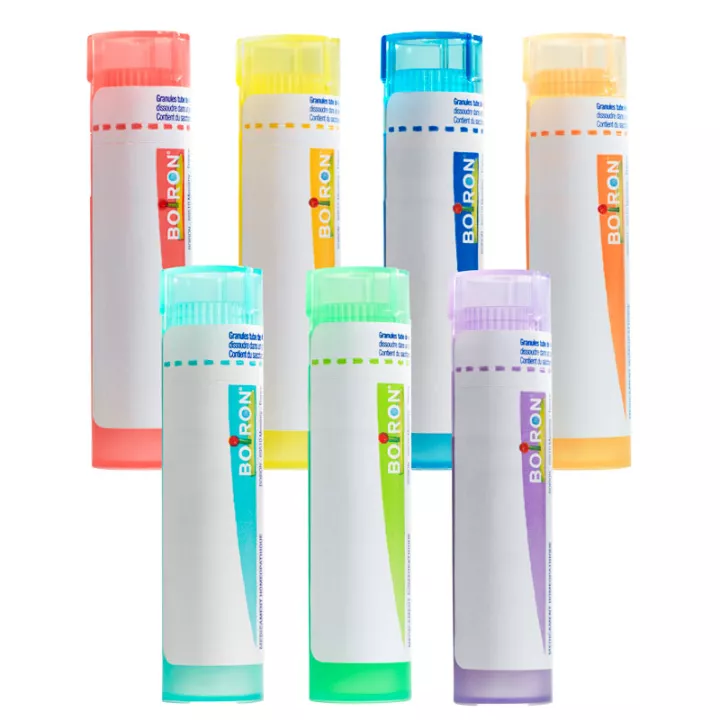
Translucent granule tube (allows you to see how many granules are left).
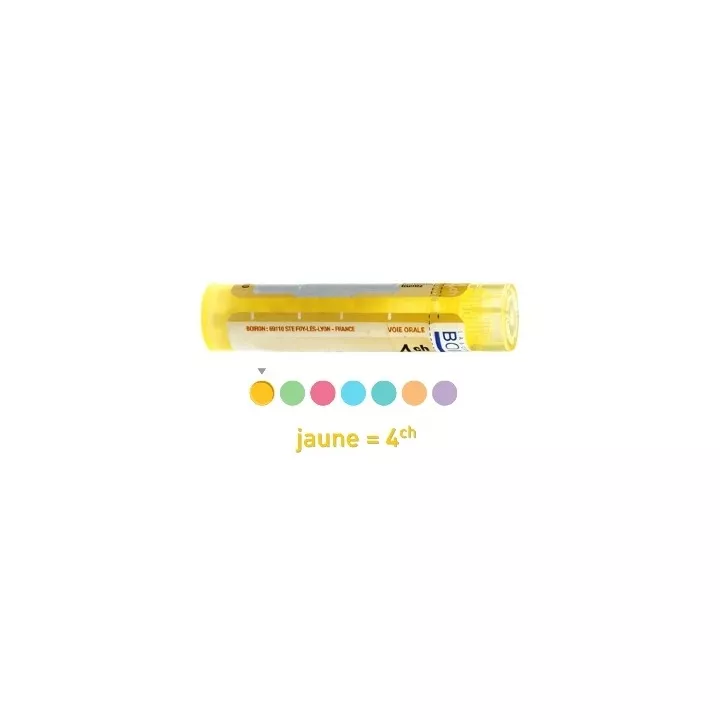
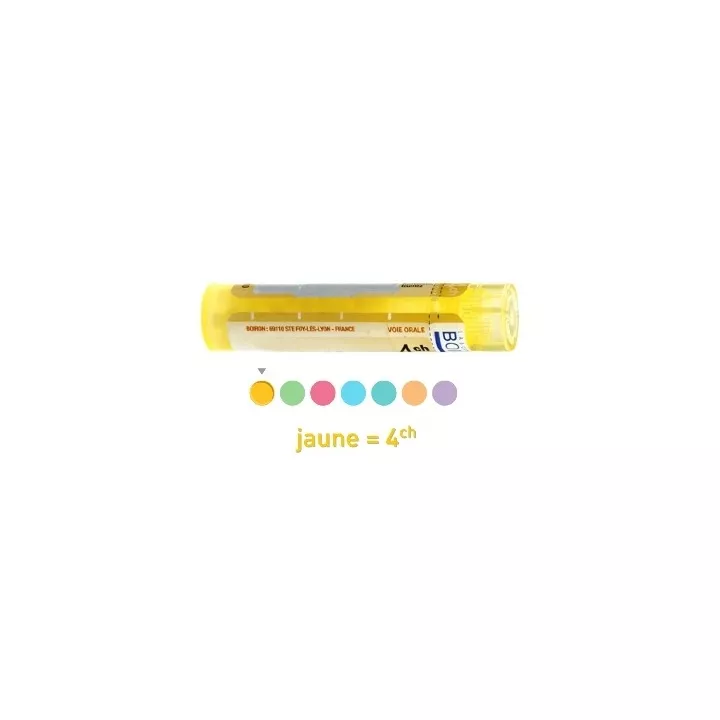
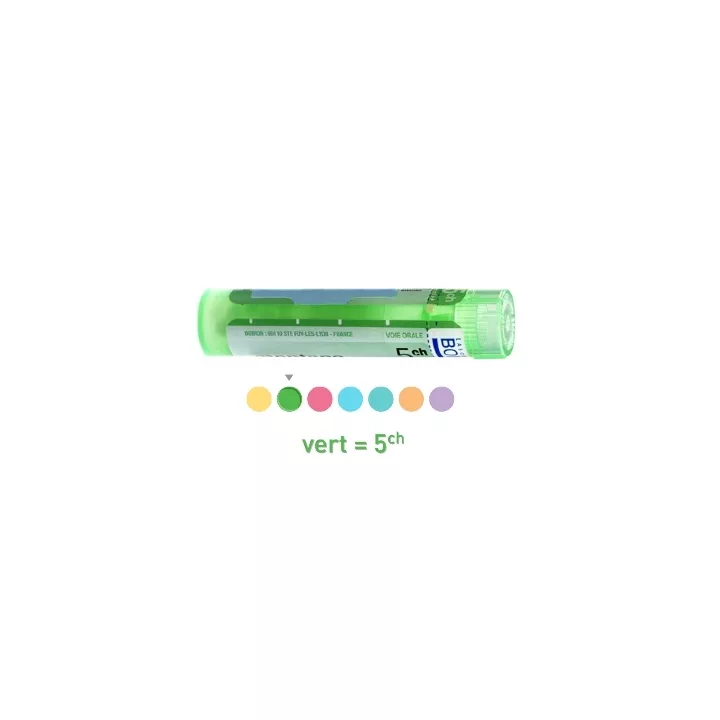
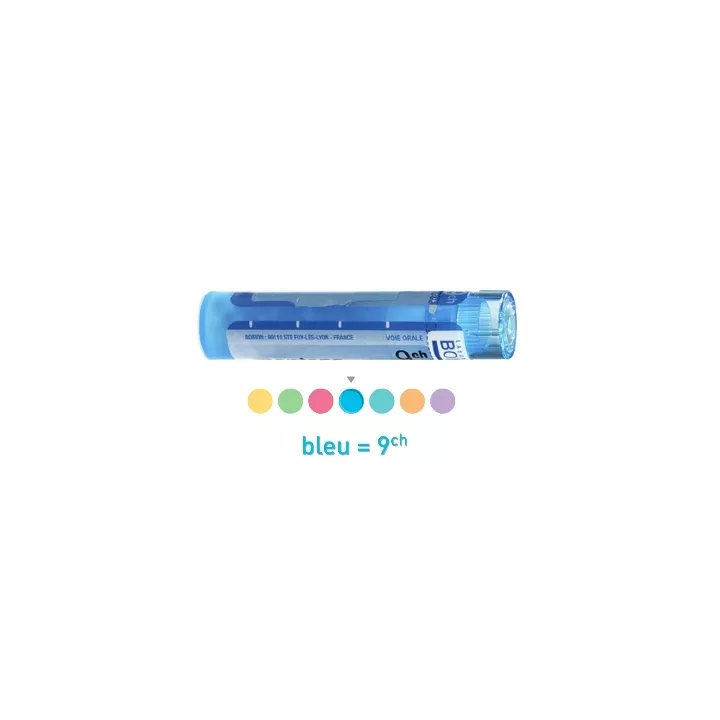
Each tube color corresponds to a dilution
yellow 4CH, green 5CH, red 7CH, blue 9CH, sea green 12CH, orange 15CH, purple 30CH
Weight: 4 g. Approximately 80 granules.
Precautions for Use
Warning
Contains sucrose. Store ACANTHUS MOLLIS homeopathic remedies away from light, heat, moisture, and any sources of fumes or fragrances.
Administering homeopathic granules to infants and children
For granules or alcohol-based drops, dissolve them in 100 ml of water. Since the granules take a long time to dissolve, you must prepare your mixture in advance.
Homeopathy and Pregnancy
ACANTHUS MOLLIS homeopathic remedies have no chemical toxicity, no contraindications, no interactions with other medications, and no adverse effects related to the amount ingested.Pregnant women can use these remedies without any known risk to themselves or their unborn child, but it is best to seek advice.
Frequency of Homeopathic Use
For acute conditions, it is recommended to take ACANTHUS MOLLIS homeopathic remedies every hour until symptoms improve. Once symptoms improve, reduce the frequency to 3 or 4 times a day, then gradually stop.
For chronic conditions, remedies in low dilutions (>9CH) are taken 1 to 2 times a day, while constitutional remedies are taken once a week or even once a month. This decision is up to the homeopath.
What to Do If There Is No Improvement Within 24 Hours
Certain conditions cannot be treated with homeopathy through self-medication alone. Their severity requires medical advice, which can be provided by a homeopathic physician. This physician will determine whether your condition can be treated with homeopathy alone or whether your treatment needs to be supplemented with allopathic medicine.