Sunburn is a superficial burn (first-degree, sometimes superficial second-degree) caused by excessive exposure to the sun’s ultraviolet rays —especially UVB rays. The inflammatory reaction appears 4 to 6 hours after exposure, peaks at 24 hours, and subsides within 4 to 7 days in mild cases. Redness, a sensation of heat, tightness, and sometimes blisters characterize more severe cases. People with fair skin, children, and those taking certain photosensitizing medications are particularly at risk. Protecting the skin barrier through daily moisturization helps limit the severity of the reaction.
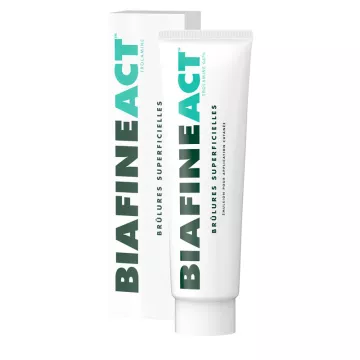
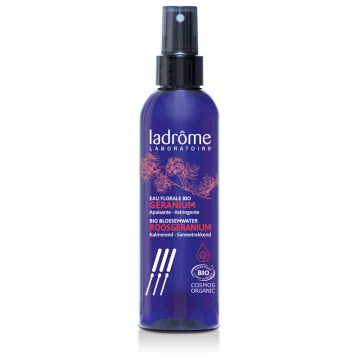
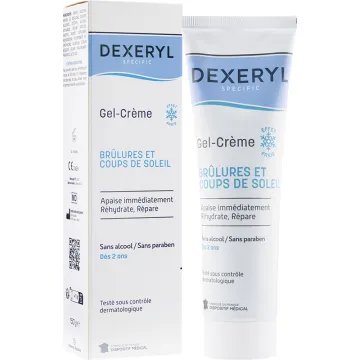
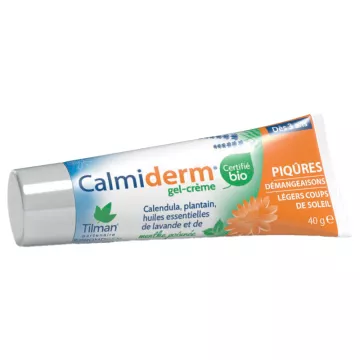
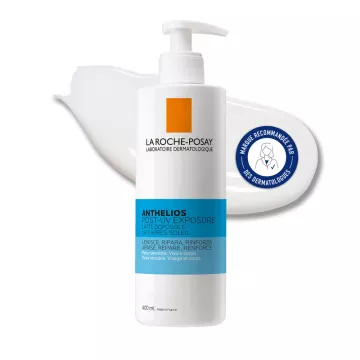
Several types of after-sun care products soothe sun-exposed skin:
Apply 3 to 4 times a day for 3 to 5 days, depending on the severity of the sunburn.
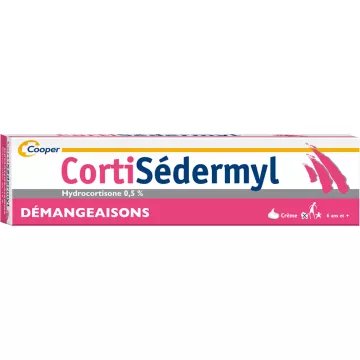
Several dermo-cosmetic active ingredients target the post-exposure inflammatory phase. Purealoe vera gel (98%+) provides immediate, documented relief for superficial burns. Panthenol (vitamin B5) restores and soothes sunburned skin. Centella asiatica supports tissue regeneration.Allantoin and bisabolol enhance the soothing effect. For severe cases, applya 1% hydrocortisone cream for a short period (2–3 days, avoiding the face and skin folds) as directed by a doctor. Supplement with a course of vitamins C and E to support cellular repair in the face of oxidative stress.
Your initial actions determine the severity of the sunburn. Take a lukewarm to cool (not ice-cold) shower for 5 to 10 minutes to cool the skin. Gently pat dry. Spray on a mist of soothing thermal water. Apply a generous amount of after-sun gel or lotion to all exposed areas. Drink plenty of water (1.5 to 2 liters in the hours that follow) because sunburn causes dehydration. Take an oral pain reliever if needed (acetaminophen or ibuprofen for its anti-inflammatory effect). Avoid further sun exposure for the next 4 to 7 days. Wear loose-fitting, soft cotton clothing to minimize friction on sensitive skin.
Children’s skin is thinner and more vulnerable:
Any extensive burn or burn with blisters in a child warrants prompt medical attention.
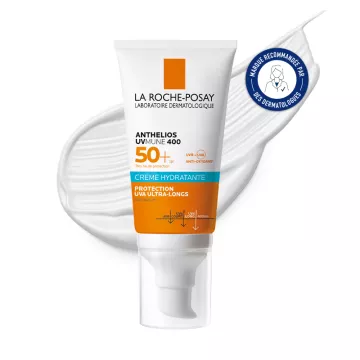
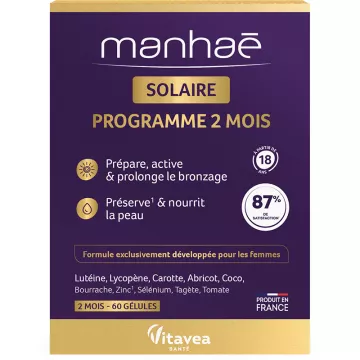
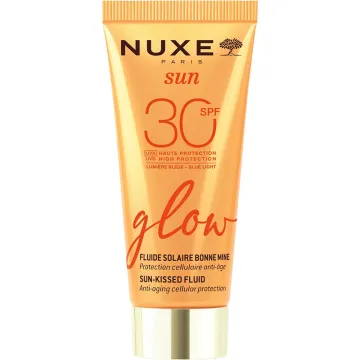
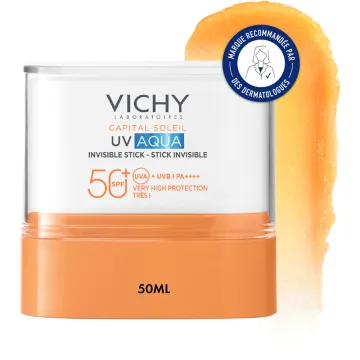
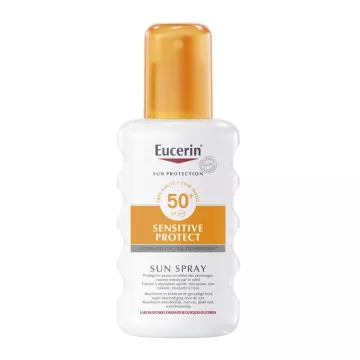
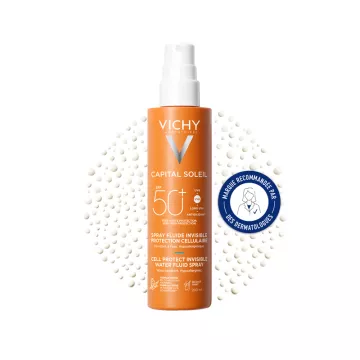
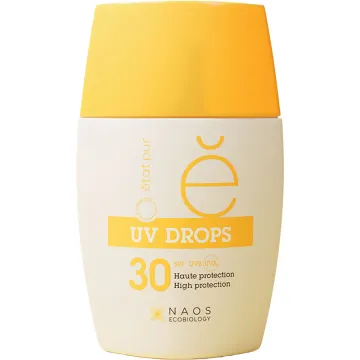
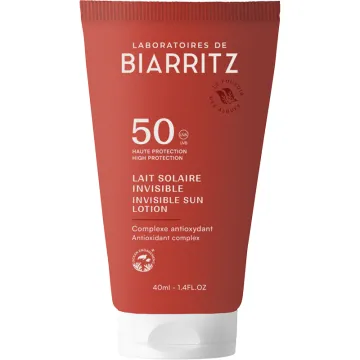
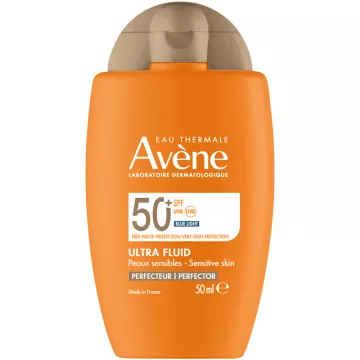
Strict sun protection is essential during the weeks following a sunburn. Mineral-based SPF 50 sunscreens (zinc oxide, titanium dioxide) are particularly suitable for recently sunburned or sensitized skin. Apply every 2 hours and after swimming. UV-protective clothing (UPF 50+), a wide-brimmed hat, and sunglasses. Avoid the sun during peak hours (10 a.m.–4 p.m.). Sun protection is also necessary on cloudy days (up to 80% of UV rays penetrate clouds). Supplement with an oral regimen of antioxidants (carotenoids, vitamin E, selenium) in preparation for summer to support the skin’s defenses.
Several common practices are counterproductive. Applying ice directly to the skin can cause frostbite. Rubbing butter, oil, toothpaste, or yogurt on the skin traps heat and promotes infection. Popping blisters before 48 hours have passed increases the risk of secondary infection. Resuming sun exposure while the skin is healing worsens the burn and promotes post-inflammatory hyperpigmentation. Rubbing with a towel irritates the already fragile skin. Applying concentrated vinegar or lemon juice to sunburned skin causes irritation and photosensitivity. Baking soda should not be used (its alkaline pH permanently disrupts the skin’s natural pH of approximately 5.5). Pure essential oils worsen irritation on sunburned skin.
Seek medical attention if: the sunburn is extensive (more than 10% of the body’s surface area), there are numerous blisters (second-degree burns), fever, chills, nausea, dizziness (associated with heatstroke), signs of infection in the blisters (extensive redness, pus, fever), sunburn in children under 3 years of age, or a photosensitizing condition (lupus, medications). Repeated sunburns over a lifetime significantly increase the risk of skin cancer (particularly melanoma)—regular dermatological checkups are recommended for individuals with fair skin or a history of multiple sun exposures.