MSM (methylsulfonylmethane) is an organic sulfur compound naturally found in plants, certain foods, and the human body. It is a source of bioavailable sulfur —a form that can be directly absorbed, which mineral sulfur cannot replace. Sulfur is an essential element for the synthesis of collagen, keratin, and glutathione. As a dietary supplement, MSM is particularly associated with supporting joint comfort and connective tissue health.
What is MSM?
Methylsulfonylmethane (MSM, formula CH₃SO₂CH₃) is the simplest organic sulfur compound—found naturally in vegetables, fruits, grains, and fresh milk, but in quantities insufficient to meet supplementation needs. Unlike inorganic sulfur (sulfates, sulfites), MSM is odorless and does not cause digestive irritation. It is synthesized through quadruple distillation to ensure its purity. It provides the sulfur necessary for the formation of disulfide bonds that stabilize structural proteins: collagen, keratin, and elastin. Explore our range of joint supplements.
MSM and Joints: What Are the Benefits?
MSM is one of the most extensively studied active ingredients for joint comfort and mobility.
- It provides the sulfur needed for the synthesis of glycosaminoglycans (chondroitin sulfate, heparan sulfate), which are components of cartilage
- It contributes to joint comfort and mobility in cases of chronic discomfort
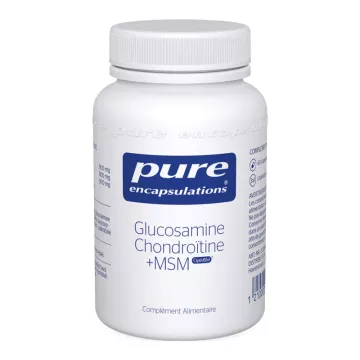
- The gold-standard combination: MSM + glucosamine + chondroitin —the most well-documented joint trio
- Supports tendons and ligaments by providing sulfur for the synthesis of type I collagen
- Useful for post-workout recovery, promoting muscle and tendon comfort
- See our selection for joint pain
MSM and skin: sulfur and collagen?
The sulfur in MSM is a direct cofactor in the synthesis of the skin’s structural proteins.
- It contributes to the formation of disulfide bonds in collagen and elastin—maintaining skin firmness and elasticity
- It supports the synthesis of intracellular glutathione—the primary antioxidant that protects skin cells
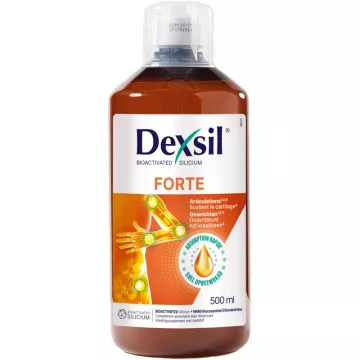
- Available as topical applications (creams, gels) for the comfort of sensitive and reactive skin
- Combine with vitamin C (a cofactor in collagen synthesis, according to an EFSA claim) for a comprehensive synergistic effect
MSM and Hair: What Role Does Sulfur Play?
Keratin—the protein that makes up hair—is rich in cysteine, a sulfur-containing amino acid. MSM contributes to the strength of the hair shaft by providing bioavailable sulfur.
- It provides the sulfur needed for keratin’s disulfide bonds—resulting in stronger, less brittle hair
- Contributes to hair vitality and nail strength
- Combine with biotin, cystine, and zinc in hair-and-nail beauty formulas
- Gradual effect—a minimum 3-month course is recommended to see results in hair quality
How should MSM be used as a supplement?
MSM is available in several dosage forms depending on the intended use.
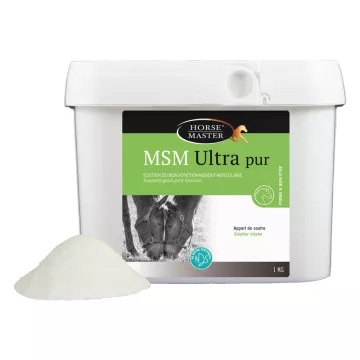
- Powder: the purest and most economical form—1 to 3 g/day diluted in water, juice, or a smoothie
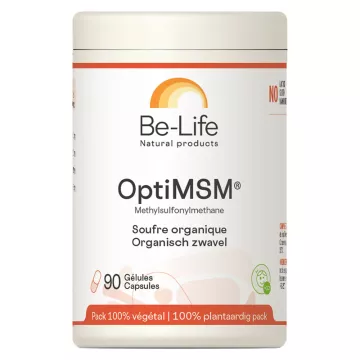
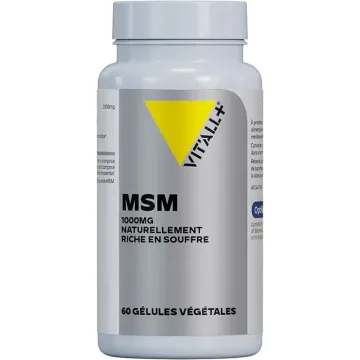
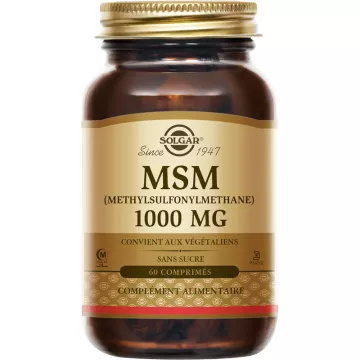
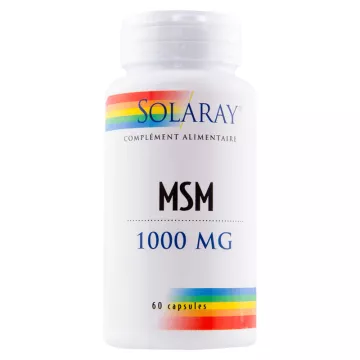
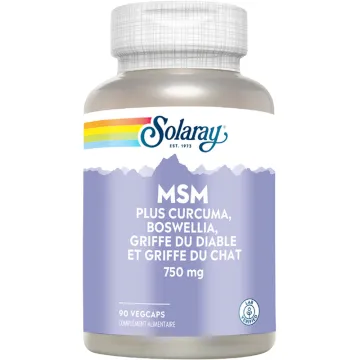
- Capsules or tablets: convenient dosage — often combined with glucosamine, chondroitin, and hyaluronic acid
- Topical use: creams and gels applied directly to joints or the skin
- Usual dosage: 1 to 3 g per day with a meal—start with 500 mg to 1 g and increase gradually
- Choose a food-grade MSM, free of additives, produced through quadruple distillation (purity ≥ 99.9%)
Are there any side effects or precautions associated with MSM?
MSM is very well tolerated at recommended dosages—some temporary side effects may occur at the start of treatment.
- Mild digestive discomfort (bloating, nausea) may occur when first taking it—start with a low dose and increase gradually
- May speed up bowel movements—take with meals
- Temporary headaches at the start of treatment in some people—reduce the dose and increase it gradually
- Allergy to sulfur (rare): to be distinguished from allergies to dietary sulfites—organic MSM is different
- Pregnancy and breastfeeding: consult a healthcare professional as a precaution
- Anticoagulants: inform your doctor (sulfur may slightly affect platelet aggregation)