What is loss of skin firmness?
Loss of firmness refers to a decrease in the skin’s tone and resistance to pressure. Characteristics:
- A progressive phenomenon that develops with age, noticeable as early as ages 30–35
- Structural cause: thinning and disorganization of collagen and elastin fibers in the dermis
- Visible signs: skin that appears less taut, a less defined facial contour, and less defined contours
- Areas particularly affected: facial contours, neck, eyelids, arms, abdomen, thighs, buttocks, inner arms
- Tactile sensation: skin that feels less firm when pinched, more supple to the touch
- Existing wrinkles become more pronounced due to the loosening of deep structures
- Progression: continuous worsening, but can be significantly slowed
This natural progression can be influenced by skincare and lifestyle. For loss of elasticity and skin sagging in general, additional resources are available to support you.
What are the main causes?
Several factors contribute to the loss of firmness:
- Intrinsic aging: collagen and elastin production declines starting in one’s thirties (approximately 1% per year)
- Hormonal changes: premenopause and menopause (drop in estrogen), accelerated loss in the first 5 years after menopause (up to 30%)
- UV exposure: the number one factor in extrinsic aging; deeply damages the fibers
- Active and passive smoking: impairs skin oxygenation and degrades elastic fibers
- Air pollution: fine particles and oxidative stress
- Unbalanced diet: excess of simple sugars (glycation), protein deficiencies
- Sedentary lifestyle and associated loss of muscle mass (sarcopenia)
- Rapid and repeatedweight fluctuations
- Chronic stress and prolonged elevated cortisol levels
- Insufficient or poor-qualitysleep
- Chronic dehydration
- Genetic predisposition
Identifying modifiable factors helps guide the first steps to take.
How can you prevent loss of firmness?
Prevention relies on simple but consistent habits:
- Daily broad-spectrumsun protection with SPF 30 to 50+, summer and winter
- Oral hydration: 1.5 to 2 L of water per day
- A balanced diet rich in antioxidants, high-quality protein, and omega-3s
- Dietary vitamins C and E (citrus fruits, kiwis, nuts, vegetable oils)
- Strict avoidance of tobacco and moderation in alcohol consumption
- Regular sleep: 7 to 9 hours per night
- Moderatephysical activity: 150 minutes per week (WHO recommendations)
- Strength training twice a week
- Chronicstress management
- A skincare routine tailored to your needs starting at age 25–30
- Minimizing rapidweight fluctuations
- Limit intake of simple sugars and ultra-processed foods
- Regulargentle facial massage
Consistency over several decades is more important than occasional intensive treatments. Daily sun protection starting in youth remains the most cost-effective investment in the long term.
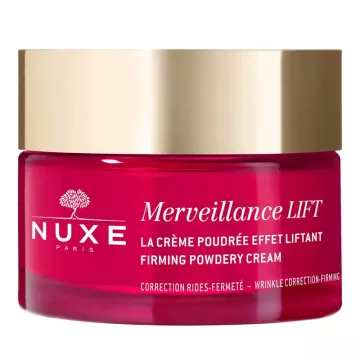
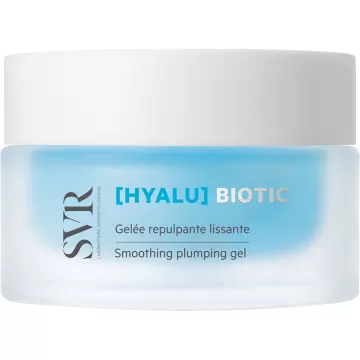
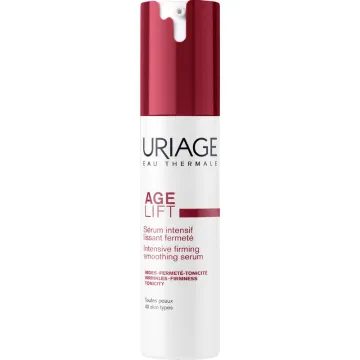
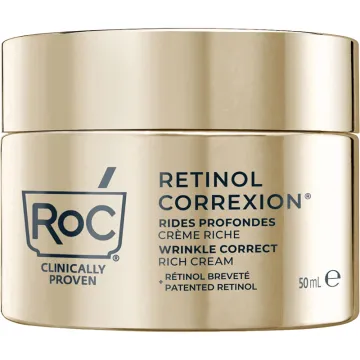
Which topical skincare products should you prioritize?
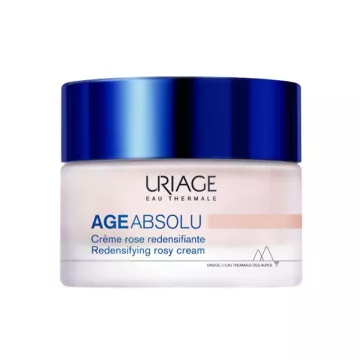
Several cosmetic active ingredients support visible firmness:
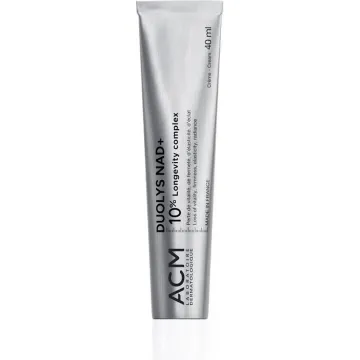
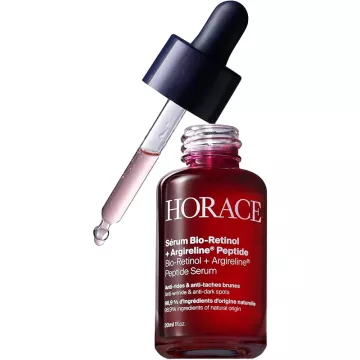
- Cosmetic retinol: promotes cell turnover (use only at night; photosensitizing; contraindicated during pregnancy and breastfeeding; introduce gradually)
- Peptides: support skin suppleness and tone through their signaling action
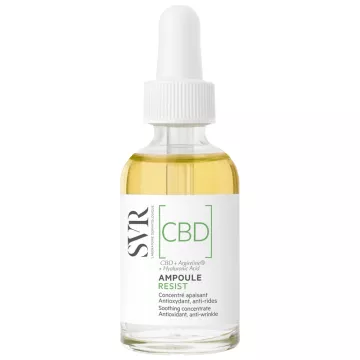
- Hyaluronic acid: a major moisturizer with an immediate plumping and optical firming effect
- Vitamin C: an antioxidant that contributes to healthy skin function
- Vitamin E: an antioxidant that works in synergy with vitamin C
- Niacinamide: visibly improves skin quality
- Coenzyme Q10: a targeted antioxidant
- Resveratrol: plant-based antioxidant
- DMAE: gradual cosmetic tightening effect
- Ceramides and squalane: restore the skin barrier
- AHAs (glycolic acid, lactic acid): gentle exfoliants that support skin renewal (photosensitizing)
- Caffeine: visible local firming effect
Combining multiple active ingredients in a balanced formula is often more effective than a single, concentrated active ingredient.
What cosmetic procedures should you consider?
Several medical procedures can complement a skincare routine:
- Monopolar or multipolar radiofrequency: gradual skin-tightening effect through controlled heating of the dermis
- High-IntensityFocused Ultrasound (HIFU): targets deep structures (SMAS), with results lasting 3 to 6 months
- Microneedling with or without combined radiofrequency
- Fractional ablative or non-ablativelasers: improves skin texture and tone
- Superficial to mediumchemical peels
- Mesotherapy: injections of revitalizing cocktails
- Skin boosters: hyaluronic acid in microboluses to improve skin quality
- Resorbable thread lifts: gentle lifting of sagging tissue
- Volumizing injectable hyaluronic acid
- Calcium hydroxyapatite and poly-L-lactic acid: gradual stimulants
- Surgical facelift for significant sagging (plastic surgery)
These procedures should be performed by a dermatologist or a trained aesthetic physician. A preliminary consultation is essential to assess indications and contraindications (pregnancy, breastfeeding, certain medical conditions) and to choose the approach best suited to your individual needs.
What dietary supplements are helpful?
As advised by a pharmacist, certain supplements can support skin health:
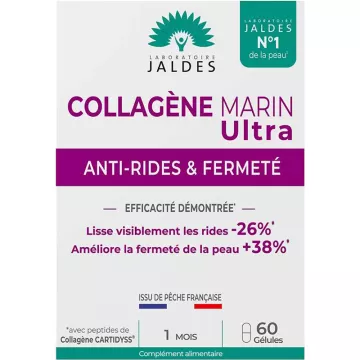
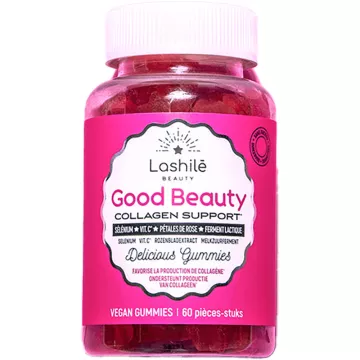
- Hydrolyzed collagen or marine collagen as a 2- to 3-month course of treatment
- Oral hyaluronic acid as a course of treatment
- Vitamin C: contributes to normal collagen metabolism (EFSA claim)
- Vitamin E: protection against oxidative stress
- Selenium: cellular protection
- Zinc: supports normal skin
- Omega-3 EPA-DHA: supports skin barrier function
- Coenzyme Q10: systemic antioxidant
- Carotenoids and beta-carotene: oral sunscreen preparation during the summer months
- Organic silicon: source of structural trace minerals
- Oral resveratrol: supplemental antioxidant
A personalized assessment by your licensed pharmacist helps identify the supplements most relevant to your profile and dietary intake. No systematic supplementation without a specific medical indication provides any additional benefit beyond a balanced diet.
What role does genetics play?
Genetics directly influences skin quality over time:
- Initial inheritedlevels of collagen and elastin
- Rate of fiberdegradation over the decades
- Skin type (thickness, natural hydration, skin pH)
- Phototype: fair skin (I–II) is more susceptible to photoaging
- Hormonal response to physiological changes (puberty, menopause)
- Family history of early or lateaging
- Facial and skeletalanatomy (underlying structural support)
- Individualhealing capacity
A genetic predisposition is not inevitable: lifestyle habits and appropriate skincare can significantly influence its expression. Early intervention on modifiable factors yields the best long-term results. There’s no need to wait for noticeable signs to appear before starting a tailored routine.
How does hydration affect the skin?
Hydration is one of the fundamental pillars of the skin’s visible quality:
Internal hydration:
- 1.5 to 2 L of water per day, adjusted according to activity level and temperature
- Spread out evenly throughout the day
- Water-rich foods: cucumber, watermelon, zucchini, tomato, soup
- Herbal teas and infusions without contraindicated plants
- Limit sugary drinks and sodas
- Drink alcohol in moderation, as it dehydrates tissues
- Limit salt intake (paradoxical water retention)
Topical hydration:
- Appropriate moisturizer applied morning and night
- Humectant serums containing hyaluronic acid, glycerin, and low-concentration urea
- Ceramides and squalane: restore the skin barrier
- Thermal water mist throughout the day
- Avoid using water that’s too hot when washing (it dries out the skin barrier)
- Enriched skincare products for dry, mature skin
Well-hydrated skin is more supple, retains its radiance, and is more resistant to external aggressors. For loss of density and mature skin, enhanced hydration is essential.
How does diet support firmness?
Diet plays an essential structural role:
- High-quality proteins: eggs, fish, lean meats, legumes (source of amino acids)
- Dietaryvitamin C (citrus fruits, kiwis, bell peppers, parsley): involved in collagen metabolism
- Vitamin E (nuts, vegetable oils, wheat germ): an antioxidant
- Carotenoids (carrots, sweet potatoes, mangoes, apricots, tomatoes): antioxidant protection
- Green vegetables (spinach, broccoli, kale, lamb’s lettuce): folate, vitamin K
- Berries (blueberries, raspberries, blackberries, pomegranates): powerful polyphenols
- Fatty fish twice a week (salmon, sardines, mackerel): omega-3 EPA and DHA
- Nuts and seeds (walnuts, almonds, seeds): vitamin E, essential fatty acids
- Copper and zinc (oysters, seafood, liver, legumes): involved in skin structure
- Silicon (whole grains, mineral water): a structural trace element
- Limit intake of fast-acting sugars and ultra-processed foods (glycation = a factor in aging)
- Limit alcohol and avoid tobacco
Our natural antioxidants section offers supplements designed to support a balanced diet.
How do stress and sleep affect the body?
Chronic stress and sleep are two major regulators:
Stress:
- Prolonged elevation of cortisol, which breaks down skin fibers
- Low-grade inflammation
- Impaired microcirculation (dull complexion, dark circles)
- Increased oxidative stress
- A cascade ofsleep disturbances
- Associated unhealthy habits (smoking, alcohol, diet)
Sleep:
- 7 to 9 hours per night recommended
- Cell regeneration peaks between 11 p.m. and 4 a.m.
- Growth hormone secretion during deep sleep
- Sleep on your back as much as possible
- Silk or satin pillowcase
Management strategies:
- Cardiac coherence: 3 times a day, 5 minutes, 6 breaths per minute
- Meditation, yoga, sophrology
- Regular, moderatephysical activity
- Meaningfulsocial connections
- Walks in nature
- A calming evening routine; avoid screens 1 hour before bedtime
- Limiting stimulants (caffeine after 2 p.m., alcohol in the evening)
- Adaptogenic herbs as recommended by a pharmacist (rhodiola, ashwagandha)
Sustainable stress management and good sleep quality are long-term investments whose benefits for your skin become visible within a few months. Your pharmacist remains a valuable resource for tailoring your strategy to your changing needs.