What is hair thinning, and how can it be explained?
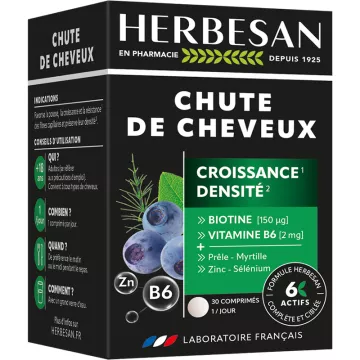
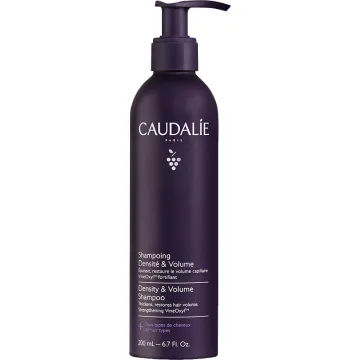
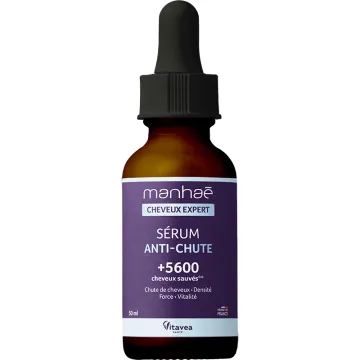
Hair thinning refers to a generalized thinning of the hair, in which the number of visible hairs gradually decreases, making the scalp more visible. It differs from androgenetic alopecia (patchy baldness): this condition is diffuse, affecting the entire scalp. The first signs—hair left in the brush, visible thinning in photos, and a more visible scalp in certain lighting—require prompt identification of the underlying causes. Appropriate hair care products and the hair loss line are available in the store.
- Telogen effluvium: the most common cause—intense physical or psychological stress causes a large number of follicles to prematurely enter the resting phase (telogen)—hair loss occurs 2 to 3 months after the triggering factor—reversible in most cases 6–9 months after the causal factor is eliminated
- Hormonal imbalances: Excess DHT (dihydrotestosterone) in men and women — fluctuations in estrogen levels (menopause, postpartum, discontinuation of hormonal birth control) — thyroid dysfunction (hypothyroidism or hyperthyroidism — TSH testing recommended)
- Nutritional deficiencies: iron (ferritin deficiency < 40 ng/mL—the leading cause of bone density loss in women of childbearing age)— vitamin D3 (receptors present in hair follicles) — zinc (cofactor for 5-alpha reductase and keratinization)
- Other factors: autoimmune diseases (alopecia areata — consult a dermatologist) — medications (isotretinoin, beta-blockers, anticoagulants, chemotherapy) — tight hairstyles (traction alopecia)
Which nutrients and dietary supplements support hair density?
- Iron: A blood test (ferritin level) is essential before starting any supplementation — low ferritin (< 40 ng/mL) is the first deficiency to correct in women — supplementation only under medical supervision (excess iron is toxic) — bioavailability is enhanced by vitamin C when taken with a meal
- Vitamin D3: 25-OH-vitamin D level should be measured before supplementation — deficiency is very common in our part of the world — 1,000 to 2,000 IU/day as an autumn and winter regimen, as directed by a healthcare provider
- Zinc: supports keratinization and regulates 5-alpha reductase—15 to 25 mg/day—do not exceed the recommended doses (high doses act as a copper antagonist)
- Omega-3 (EPA-DHA): anti-inflammatory effect on the hair follicle and scalp — 2 to 3 g/day — fatty fish twice a week and/or supplementation
- Proteins and sulfur-containing amino acids (keratin requires cysteine and methionine) — biotin (B7) as part of a comprehensive B-vitamin regimen — hair care complexes combining several synergistic active ingredients
What natural topical treatments are available, and when should you consult a professional?
- Rosemary (Rosmarinus officinalis): Several studies compare its effectiveness to 2% minoxidil for hair regrowth at 6 months—essential oil diluted to 2% in a vegetable oil (jojoba) as part of a daily scalp massage—stimulates scalp microcirculation and inhibits 5-alpha reductase
- Aloe vera gel: soothes an irritated scalp, anti-inflammatory—apply 20 minutes before shampooing—supports the skin’s microbiome and reduces dandruff-related discomfort that exacerbates hair loss
- Care for fine hair —lightweight hair oils (jojoba, argan) applied to the lengths—regular scalp massages to stimulate follicular blood flow
- Consult a dermatologist or trichologist if: hair loss > 100 hairs/day persisting for more than 3 months — sudden, severe hair loss — visible bald patches — suspected systemic disease (thyroid disorder, anemia, lupus) — no improvement despite 6 months of treatment — abnormal hair loss requiring a comprehensive medical workup