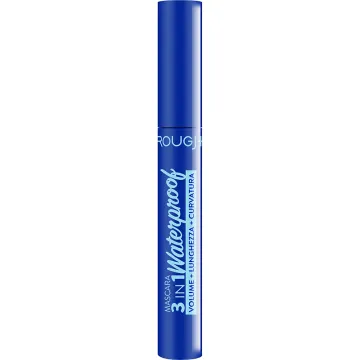
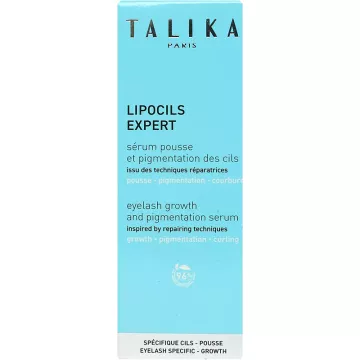
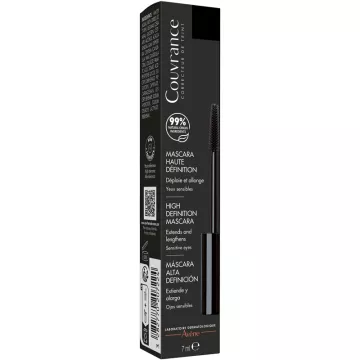
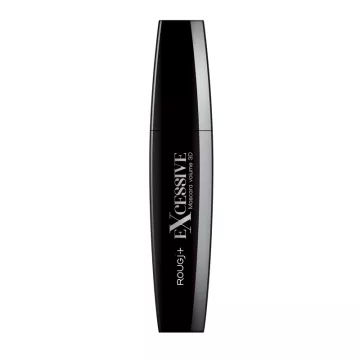
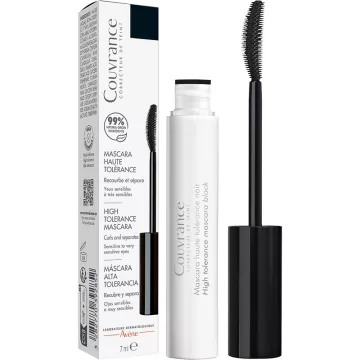
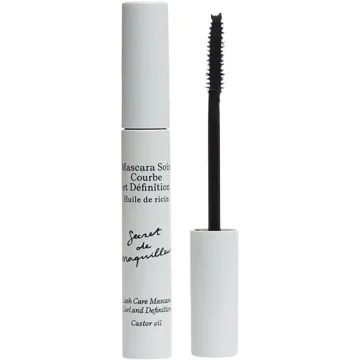
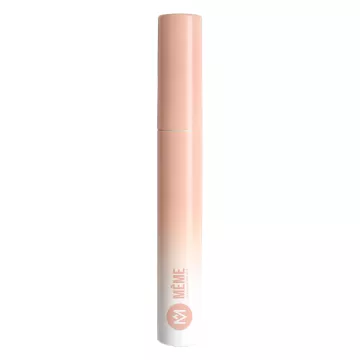
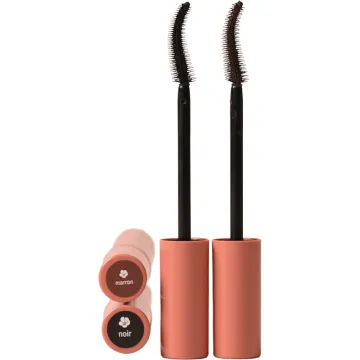
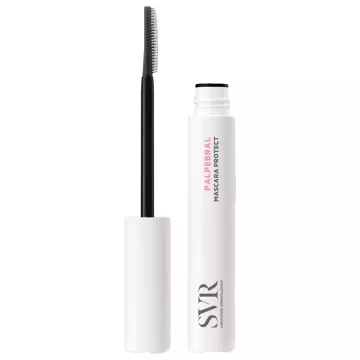
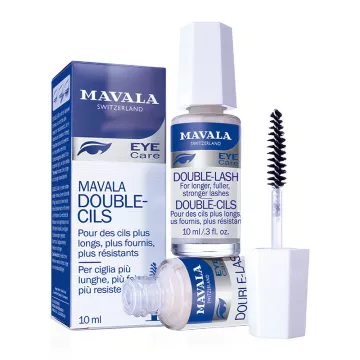
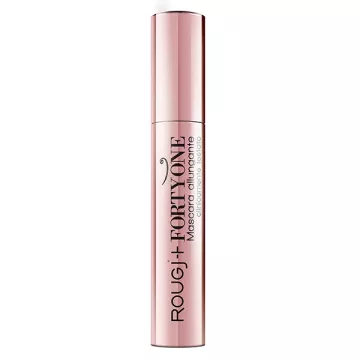
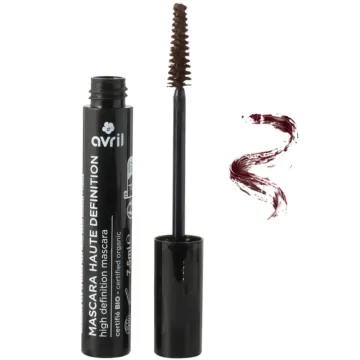
The ideal mascara depends on the shape of your lashes and eyes as much as on the look you’re going for. Short, sparse lashes benefit from a plastic brush with widely spaced bristles that coats each lash without clumping, paired with a lengthening and volumizing formula. Long but fine lashes are best suited to a volumizing formula made with dense waxes. Lashes that droop require a curling mascara with plasticizers, applied after using an eyelash curler. The choice of brush is often more important than the formula: conical for the inner corners and short lashes, spherical for overall volume. For thicker and longer lashes, boosting serums prepare the lashes before applying mascara.
Found in most natural and organic mascaras (Avril, Même), castor oil (85–90% ricinoleic acid) forms an occlusive film on each lash that locks in moisture and reduces breakage during makeup removal. When applied regularly to the base of the lashes, it improves mechanical strength over several weeks. Its thick texture can weigh down volumizing formulas—natural mascaras dilute it with volatile plant-based solvents for a lighter result.
Argan oil (squalene, tocopherols, comedogenic rating 0–1) is the go-to nourishing oil in premium mascaras. Its squalene reduces static electricity, which causes lashes to clump together; its tocopherols protect pigments from oxidation and extend color longevity. Jojoba oil (an oxidation-resistant liquid wax) is included in gentle mascaras for its gliding properties—it facilitates even application, and its shelf life of over 2 years makes it an effective natural preservative.
The difference lies in three categories of ingredients. Waxes: paraffin and ozokerite (petrochemical synthetics) in conventional formulas vs. plant-based and beeswax in organic formulas. Preservatives: parabens and phenoxyethanol versus tocopherol and dehydroacetic acid. Pigments: iron oxides certified free of heavy metals in both cases—European regulations are identical. Certified organic mascaras (Avril, Même) offer greater tolerance for atopic skin and sensitive eyes, with a shorter shelf life after opening (4 to 6 months vs. 12 months for conventional products).
Contact lens wearers should always apply mascara after inserting their lenses. The fibers in some lengthening mascaras (nylon or cellulose) can settle on contact lenses and cause irritative keratitis—opt for fiber-free, water-based mascaras without irritating preservatives. For eyeglass wearers, a lengthening mascara prevents eyelashes from touching the lenses with every blink. Curling the lashes with an eyelash curler before application keeps them away from the lenses and enhances the openness of the eyes.
Removing makeup is the most crucial step for long-term eyelash health—never rub. Soak a cotton pad with a two-phase makeup remover (for waterproof mascara) or micellar water (for regular mascara), hold it against your closed eyelashes for 20 to 30 seconds, then gently swipe downward in a single motion. Unremoved mascara residue clogs the eyelash follicles and contributes to chronic blepharitis. A proper eye makeup routine always includes this thorough makeup removal every night.