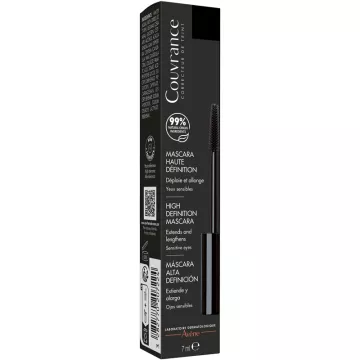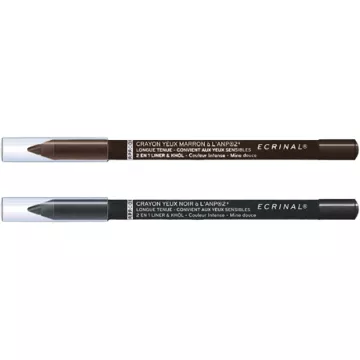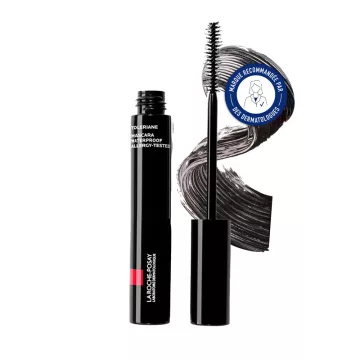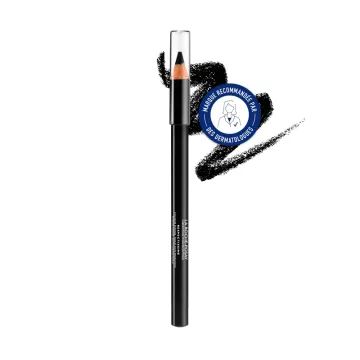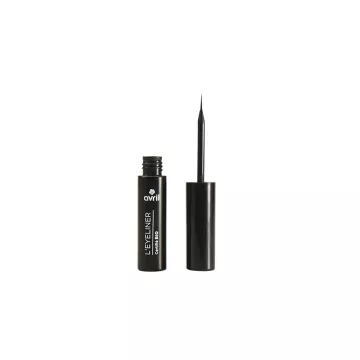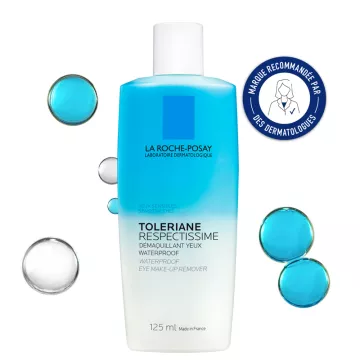
Eye makeup comes into direct contact with one of the body’s most sensitive mucous membranes. Ingredients to avoid for sensitive or allergic eyes: benzalkonium chloride (a cytotoxic preservative), synthetic fragrances and essential oils (periorbital sensitizers), occlusive silicones in large quantities (which clog the Meibomian glands), and parabens (to be avoided on mucous membranes). Hypoallergenic mascaras from dermatological brands (Avène, La Roche-Posay Toleriane, Même) use alternative preservatives and minimalist, fragrance-free formulas—their safety has been clinically documented under ophthalmological supervision.
Found in many mascaras and eyelash boosters, castor oil (Ricinus communis) is the most widely used cosmetic ingredient for eyelash care. Its ricinoleic acid (85–90%) forms an occlusive film over each eyelash fiber that locks in moisture, reduces breakage during makeup removal, and gives lashes a thicker, glossier appearance. When applied regularly at night to the base of the lashes, it improves their strength over several weeks. Certified organic natural mascara uses it as its main base, without any synthetic film.
Bisabolol (alpha-bisabolol, 0.1–0.5%) inhibits NF-kB and COX-1, reducing the pro-inflammatory cytokines released when pigments and preservatives come into contact with the periorbital skin—reactive redness followingis significantly reduced with formulas that include it. Calendula (Calendula officinalis) inhibits the release of histamine by mast cells via its flavonoids (quercetin, isorhamnetin)—which is particularly relevant for skin that reacts to synthetic pigments. These two active ingredients are often combined in gentle eyeliner formulas and makeup primers for hypersensitive skin.
Waterproof mascara uses film-forming polymers (acrylates copolymer, trimethylsiloxysilicate) that adhere strongly to the eyelash fibers. Removing it requires two-phase products (water + oil)—aggressive water-based cleansing is the main cause of eyelash breakage and loss. Centella asiatica (madecassoside, asiaticoside) in makeup-removing oils and balms repairs micro-damage to the eyelashes caused by prolonged wear. Avoid using waterproof mascara daily—reserving it for occasions that require long-lasting wear reduces strain on your eyelashes.
Mascaras and eyeliners from dermatological brands offer documented benefits. Their minimalist formulas reduce potential sensitizers—a study (Contact Dermatitis, Uter et al., 2021) shows that formulas with ≤ 15 ingredients reduce the risk of sensitization by 40% in atopic patients. Ophthalmologically tested under medical supervision, fragrance-free and alcohol-free, their shorter shelf life (4 to 6 months after opening) reflects a lower concentration of preservatives. For contact lens wearers, those with sensitive skin, or following eye surgery, these formulas are consistently preferable to mass-market mascaras.
The periorbital area is among the most exposed to UV rays and is least often protected by conventional sunscreens. Mineral filters (ZnO, TiO₂) incorporated into primer and liquid foundations provide the most comfortable protection for this delicate area. For people sensitive to chemical UV filters (oxybenzone, avobenzone), high-protection mineral sunscreen formulas are the only ones that are well-tolerated on the eye area without the risk of irritation or photosensitization.