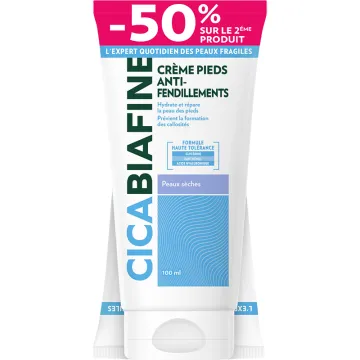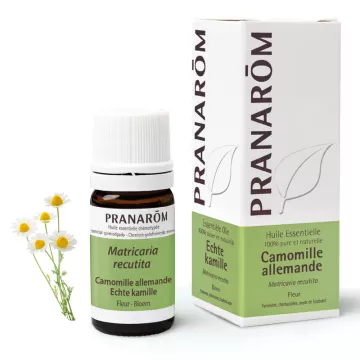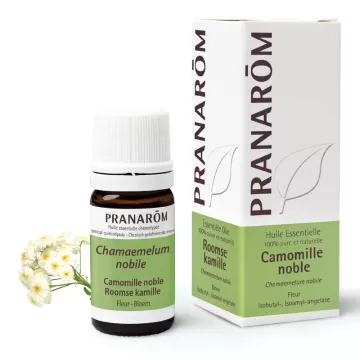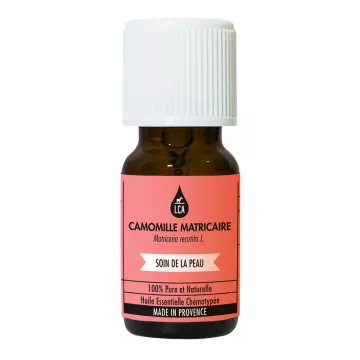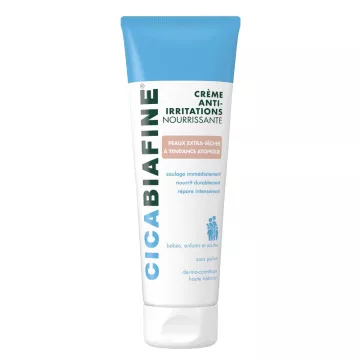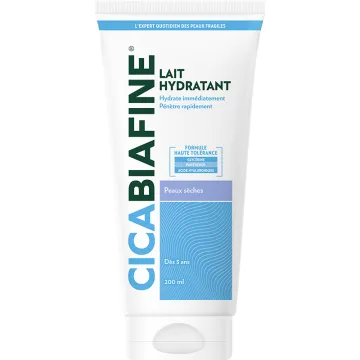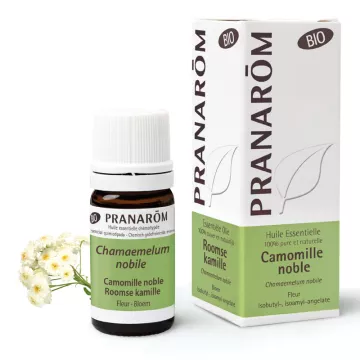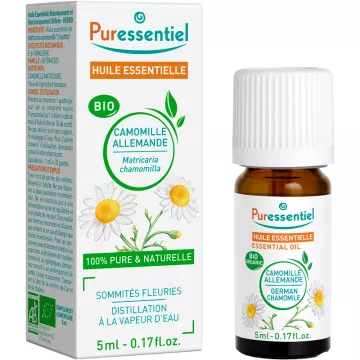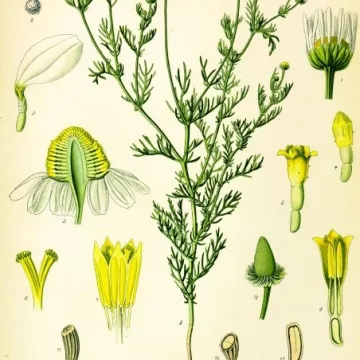
Bisabolol is a natural compound in the sesquiterpene family, extracted primarily from German chamomile (Matricaria recutita) and Roman chamomile (Chamaemelum nobile). Recognized for its soothing properties in cosmetics, it is one of the most widely used active ingredients in skincare products for reactive and sensitive skin. Its molecular structure also gives it antioxidant properties and a natural affinity for gentle dermo-cosmetic formulations.
Bisabolol offers several recognized cosmetic benefits for skin comfort:
Bisabolol is incorporated into many everyday cosmetic formulations:
Bisabolol is particularly well-suited for sensitive skin. Its soothing properties and excellent overall tolerance make it a key ingredient in skincare products formulated for reactive skin prone to tightness or temporary redness.
Before introducing a new product containing bisabolol into your skincare routine, however, it is advisable to perform a tolerance test on a small area (the crook of the elbow) for 48 hours, especially for skin that has previously experienced allergic reactions or cosmetic intolerances.
Several studies have demonstrated bisabolol’ssoothing effect on the skin. It helps alleviate the sensations of burning and diffuse heat characteristic of reactive skin and contributes to an overall feeling of skin comfort after application.
It is particularly useful forskin discomfort caused by external factors (cold, wind, friction, moderate sun exposure). For established dermatological conditions (chronic eczema, atopic dermatitis, psoriasis, diagnosed rosacea), cosmetic products serve only as a complementary treatment and are never a substitute for medical care.
Yes, bisabolol has documented antioxidant activity. It helps neutralize some of the free radicals produced by exposure to UV rays, pollution, or smoking. This action helps preserve the skin’s overall appearance in the face of environmental stressors and supports the prevention of visible signs of aging (loss of radiance, fine lines caused by dehydration, uneven skin tone).
To enhance this benefit, bisabolol is often combined with other complementary antioxidant ingredients (vitamin C, vitamin E, plant polyphenols).
Bisabolol is found in a wide range of dermo-cosmetic products:
On the packaging, bisabolol appears in the INCI list under the name Bisabolol or Alpha-Bisabolol.
Bisabolol is generally well tolerated. In rare cases, the following adverse effects may occur:
If extensive redness, severe itching, or swelling occurs after application, discontinue use and consult a healthcare professional. In the event of a systemic reaction (facial swelling, difficulty breathing), call 15 or 112 immediately.
Compared toother soothing active ingredients such as aloe vera or witch hazel, bisabolol stands out for its versatility and excellent skin tolerance:
These three active ingredients are not mutually exclusive and can be combined in skincare routines to address different concerns.
Bisabolol is generally suitable for most skin types: dry, combination, oily, sensitive, and blemish-prone skin. Its soothing properties and high tolerance profile make it a versatile active ingredient in skincare routines.
In cases of known skin conditions (eczema, psoriasis, rosacea, seborrheic dermatitis), a history of allergy to the Asteraceae family, or uncertainty about the suitability of a product, consulting a dermatologist or pharmacist can help guide you toward the most appropriate formulation.