Skin inflammation is the skin’s reaction to an external stimulus—such as an allergen, irritant, infection, immune dysregulation, or an imbalance in the skin microbiome. It manifests as the four classic signs: redness, warmth, swelling, and itching or pain. The skin is the organ most exposed to external aggressors and has its own local immune system (Langerhans cells, mast cells, and immunoactive keratinocytes). Skincare products for sensitive and inflamed skin are available in the store’s eczema, atopic skin, and dermatology lines.
The main forms of skin inflammation are atopic dermatitis (atopic eczema—skin barrier dysfunction + exaggerated Th2 response—intense itching, erythematous patches), psoriasis (Th17 response—thick, well-defined, scaly patches), rosacea (vascular and follicular inflammation of the face—diffuse redness, telangiectasia), urticaria (histamine release by mast cells—fleeting, migratory edematous patches), contact dermatitis (reaction to an allergen or irritant—allergy testing is essential), and inflammatory skin infections (impetigo, erysipelas). An accurate dermatological diagnosis is essential for treatment.
The skin microbiome —a community of commensal microorganisms inhabiting the skin’s surface—plays an essential protective role: it maintains the skin’s acidic pH, competes with pathogens, and regulates the local immune response. Its disruption (skin dysbiosis) promotes colonization by pro-inflammatory agents such as Staphylococcus aureus in atopic eczema or Demodex in rosacea. Among the most common triggers of skin inflammation are:
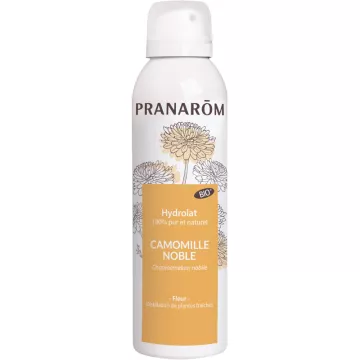
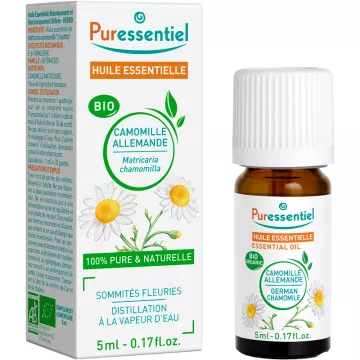
Several natural active ingredients have documented anti-inflammatory effects on the skin. Chamomile (azulene—a powerful anti-inflammatory for the skin), used as a compress or cream, soothes redness and itching. Calendula (flavonoids and saponins), with its healing and anti-inflammatory properties, is a go-to remedy for sensitive, atopic, and irritated skin. Aloe vera (pure gel applied topically) soothes and moisturizes inflamed mucous membranes and skin. Virgincoconut oil (antimicrobial lauric acid + emollient properties) strengthens the skin’s lipid barrier, which is compromised in eczema. Zinc, applied topically (zinc pyrithione) and taken orally (10–15 mg/day), modulates the skin’s inflammatory response and accelerates healing.
From a nutritional perspective, omega-3 EPA-DHA (1 to 3 g/day) reduces the production of pro-inflammatory skin mediators (prostaglandins, leukotrienes) and improves transepidermal water loss. A diet rich in antioxidants (polyphenols, beta-carotene, vitamin E) supports cellular resistance to cutaneous oxidative stress. Avoiding identified food allergens (elimination tests supervised by an allergist) and limiting refined sugars, alcohol, and ultra-processed foods reduces systemic pro-inflammatory conditions. These natural approaches complement—but do not replace—prescribed dermatological treatments for chronic inflammatory skin conditions.