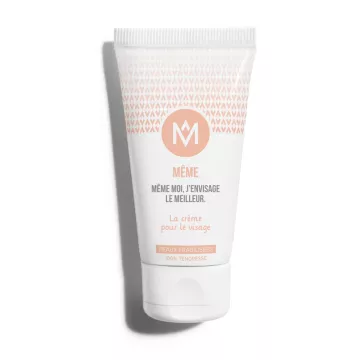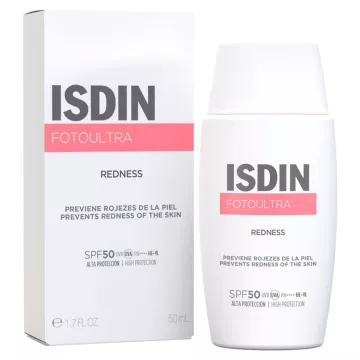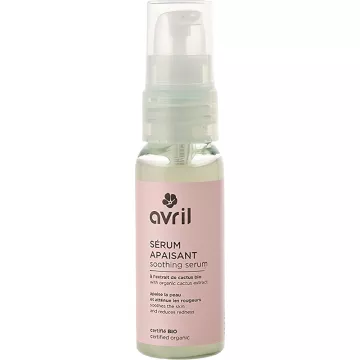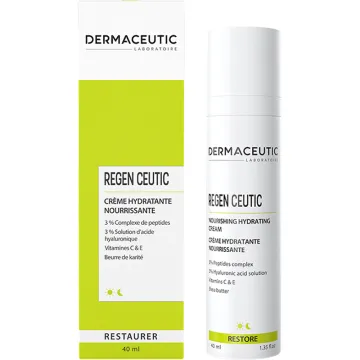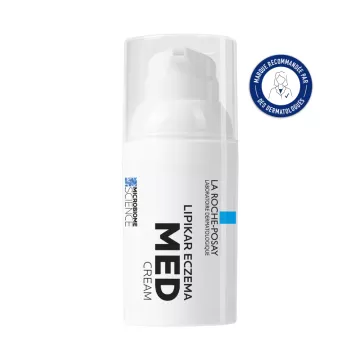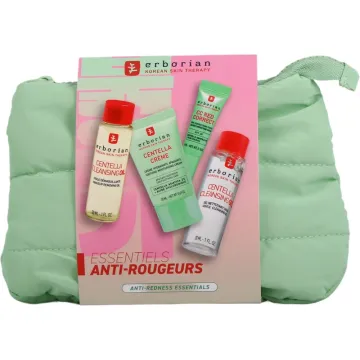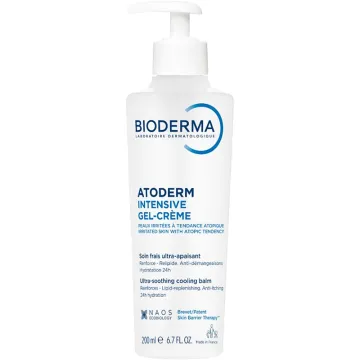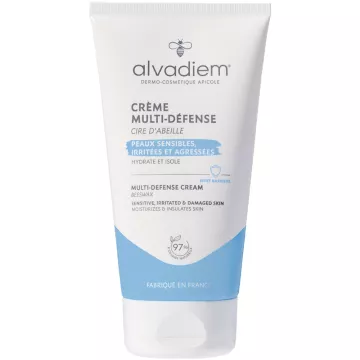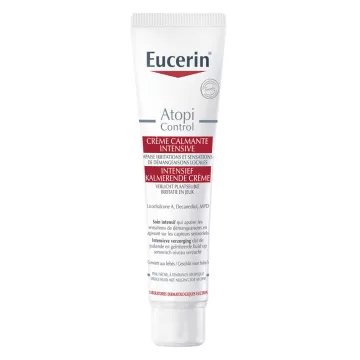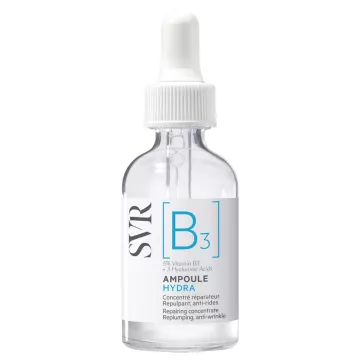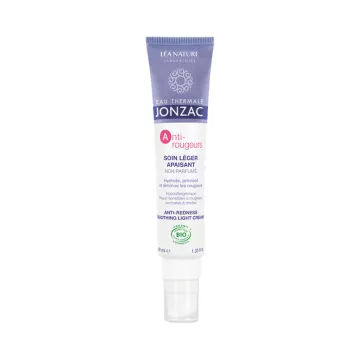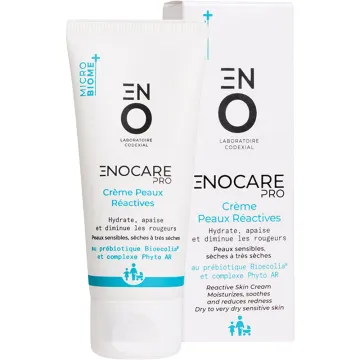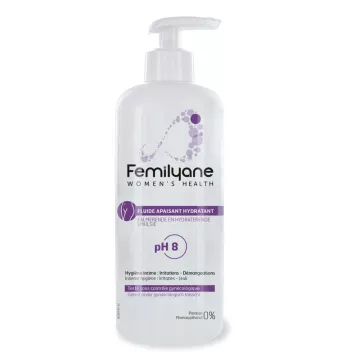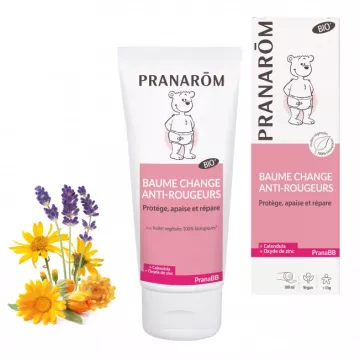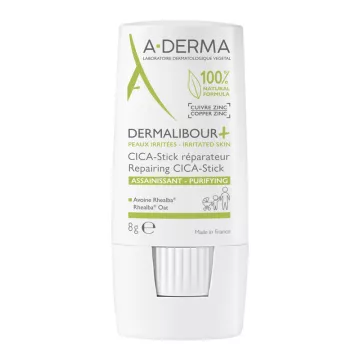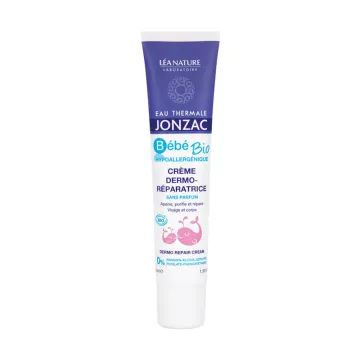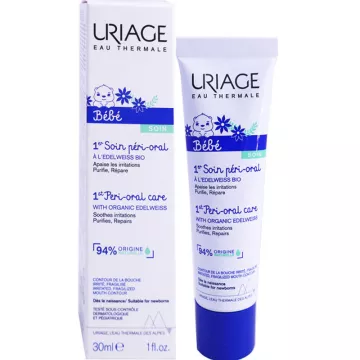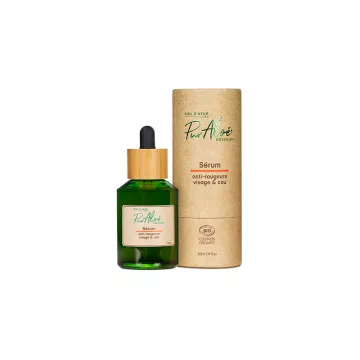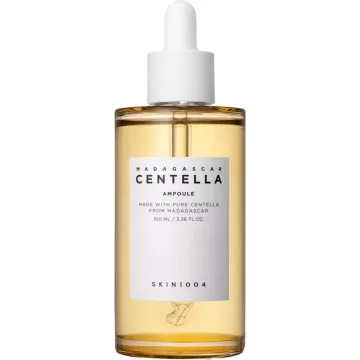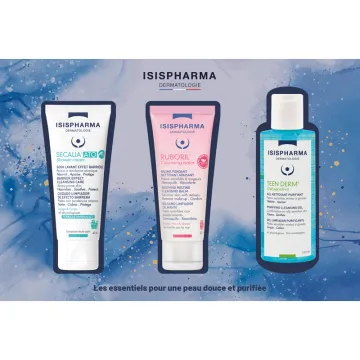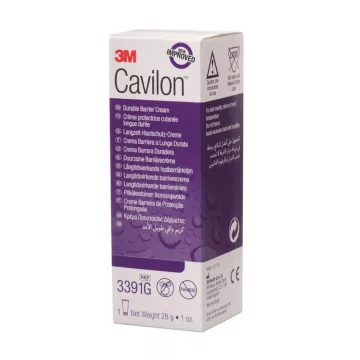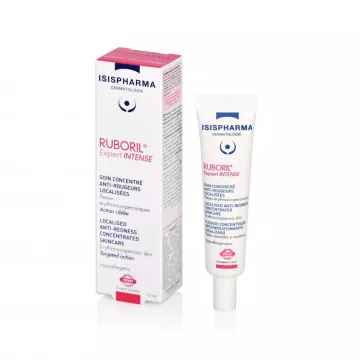
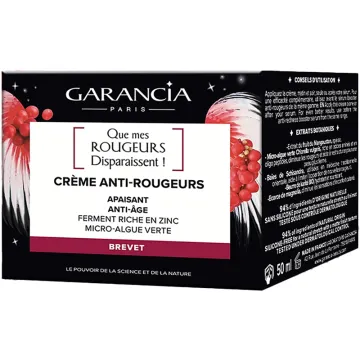
Anti-redness skincare products are cosmetics formulated to reduce the appearance of skin redness, whether temporary or chronic (couperose, rosacea, or skin with chronic vascular dilation). These products provide immediate soothing relief while strengthening the skin barrier over the long term; it is the fragility of this barrier that causes vascular hyperreactivity. This category includes creams, serums, tinted corrective treatments, thermal waters, and soothing masks—each has its place depending on the severity of the condition and the time of day.
Several well-documented active ingredients are key components of anti-redness formulas:
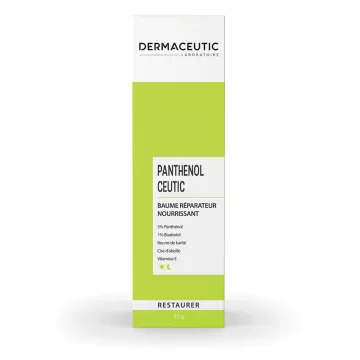
Useful complementary active ingredients: panthenol, serine, and ruscus aculeatus derivatives with a cosmetic vasoprotective effect.
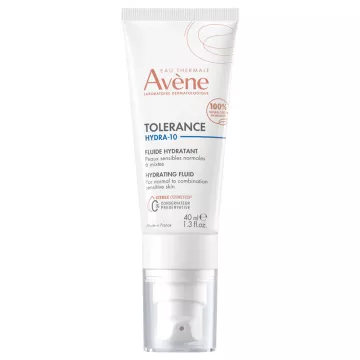
Anti-redness serums contain concentrated active ingredients and are applied after cleansing, before your day or night cream. There are numerous dermo-cosmetic options: Rosaliac AR Intense by La Roche-Posay (ambophenol and neurosensine), Sensibio AR Serum by Bioderma (glycerol, allantoin, centella), Avène Antirougeurs Fort (Avène thermal spring water, dextran sulfate, hesperidin methyl chalcone), and Uriage Roséliane Serum. Apply once or twice a day for 4 to 6 weeks to see a reduction in the frequency and intensity of flare-ups.
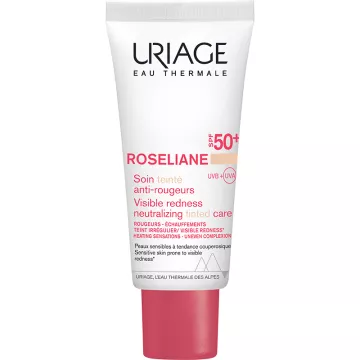
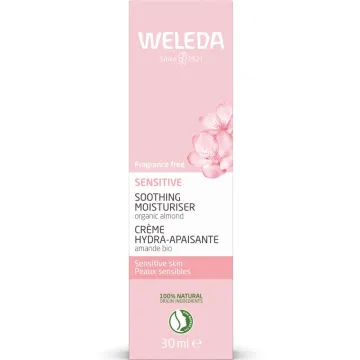
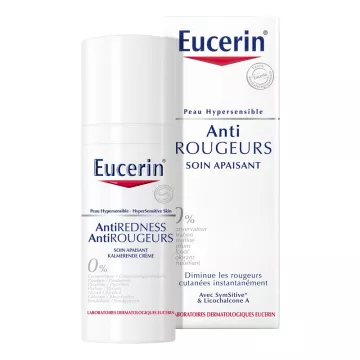
Anti-redness day creams provide continuous hydration and daily corrective benefits. Selection: Rosaliac UV Rich or Light SPF 15 by La Roche-Posay, Antirougeurs Day by Avène, Sensibio AR by Bioderma, Roséliane Cream by Uriage. Tinted versions contain a green or apricot tint that visually neutralizes redness (Rosaliac CC, Avène Antirougeurs Unifiant, Roséliane CC). In the evening, use a soothing and nourishing balm containing ceramides and niacinamide. Apply a thin layer twice a day, without prolonged massage, which can reignite redness.
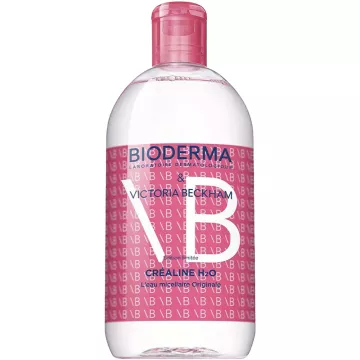
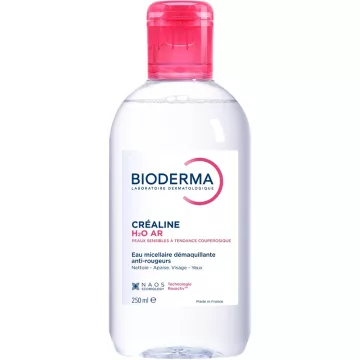
Cleansing is often the main trigger for skin prone to redness. Opt for soothing, no-rinse micellar waters (Sensibio H2O by Bioderma, Toleriane Micellar Water by La Roche-Posay, Avène Micellar Water, Uriage Thermal Water) or ultra-moisturizing soaps for the body. Avoid at all costs: alkaline soaps, foaming gels with strong sulfates, very hot water (35°C maximum), rotating brushes, exfoliating gloves, and mechanical scrubs on the face if you have sensitive skin. Pat dry. For particularly reactive skin, cleanse the face only once a day, in the evening.
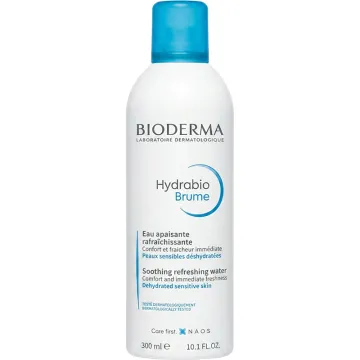
Thermal water sprays are a staple in routines for reactive skin:
Spray on morning and evening, after cleansing and before applying other skincare products. Also useful during the day to refresh skin wearing makeup. Store in a cool place to maximize the soothing effect—a helpful step for skin with a compromised barrier.
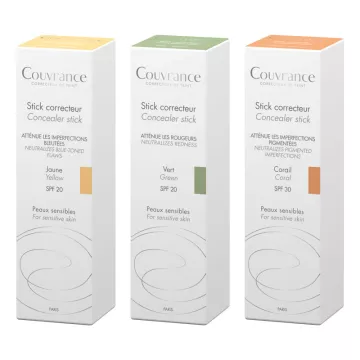
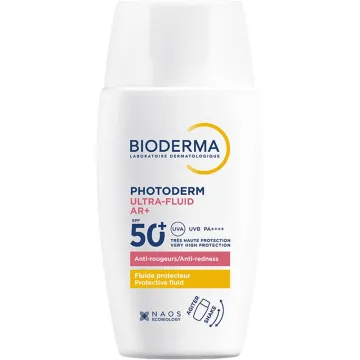
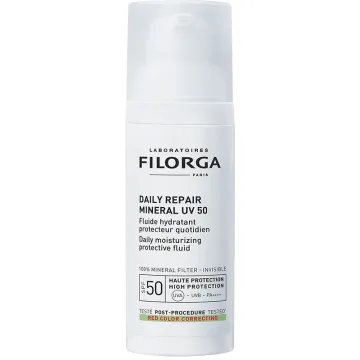
For immediate cosmetic results, several visual correction solutions are available. Anti-redness CC and BB creams contain green corrective pigments that neutralize redness using the principle of color theory. Apply green concealer sparingly to the most prominent areas (sides of the nose, cheeks), followed by a lightweight, non-comedogenic liquid foundation. Fragrance-free mineral powders (Avène Couvrance, Eucerin Anti-Redness) set the makeup and provide a matte finish. Use a daily mineral sunscreen with SPF 30 to 50 (zinc oxide, titanium dioxide), ideally tinted—UV rays remain the primary factor in worsening chronic redness and help maintaina radiant complexion.
Rubbing the face vigorously (which triggers vasodilation), using alcohol-based or heavily fragranced cosmetics, exposing the skin to UV rays without sunscreen, combining strong active ingredients (retinol, AHA, BHA, concentrated vitamin C), taking very hot baths, frequently consuming alcohol, spices, or very hot foods, and neglecting stress management. Homemade baking soda should be avoided (its alkaline pH permanently disrupts the skin’s physiological pH of approximately 5.5). Tobacco use exacerbates chronic vasoreactivity. If redness persists despite following an appropriate skincare routine for 6 to 8 weeks, a dermatologist’s evaluation can help determine targeted treatments.