Evening out your complexion naturally requires a consistent, multi-pronged approach. No single step alone will produce lasting results; it’s the consistency of the entire routine that transforms the appearance of your face.
Four key pillars stand out. Dailyhydration (water, herbal teas, topical skincare) supports skin elasticity and promotes a more even skin texture. A balanced diet rich in antioxidants (fruits, colorful vegetables, berries, leafy greens) contributes to skin health from the inside out. Targeted skincare products containing proven active ingredients (vitamin C, niacinamide) visibly reduce imperfections. Daily sun protection is likely the most crucial step over the long term, as UV rays are the primary cause of an uneven complexion and dark spots.
Prevention is the most effective strategy for maintaining an even complexion. Once dark spots have developed, removing them is a slower and more costly process than preventing them in the first place.
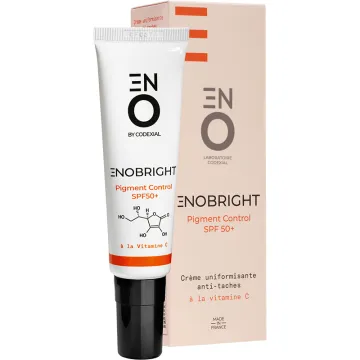
Prevention is based on three key principles. Avoid excessive sun exposure, especially between noon and 4 p.m. during the summer, and apply SPF 30 to 50+ sunscreen every day, even in winter and even indoors near a window. Use products suited to your skin type, avoiding harsh or unsuitable skincare products that weaken the skin barrier and promote pigmentation irregularities. Consult a dermatologist if you have persistent problems, if a spot changes rapidly, if new lesions appear, or if you have any concerns about a pigmented lesion: any mole that changes shape or color, or that itches, warrants immediate medical attention.
Several naturally derived active ingredients are recognized for their ability to even out the complexion. Their effectiveness is best seen after several weeks of regular use, not with occasional application.
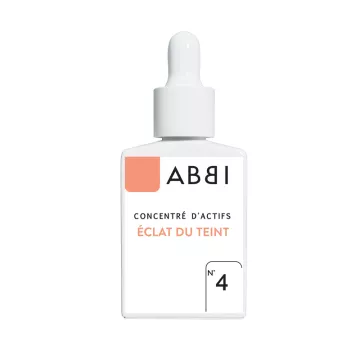
Aloe vera is valued for its moisturizing and soothing properties, which are beneficial for sensitive or irritated skin.Rosehip oil, rich in natural vitamin A and essential fatty acids, supports skin regeneration and visibly reduces pigmentation spots. Stabilized vitamin C (L-ascorbic acid, ascorbyl glucoside) is a powerful antioxidant that brightens the skin’s texture and reduces dark spots; however, it increases sensitivity to the sun, making sunscreen essential. Green tea, rich in polyphenols (EGCG), has antioxidant properties that complement the action of radiance-boosting serums. Niacinamide (cosmetic vitamin B3) is one of the best-tolerated active ingredients for evening out the complexion on sensitive skin.
A consistent routine involves several complementary steps. Consistency is more important than complexity: it’s better to have a simple, well-maintained routine than an elaborate one that’s followed irregularly.
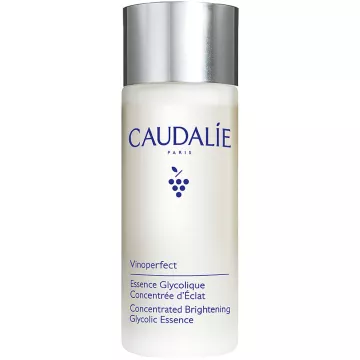
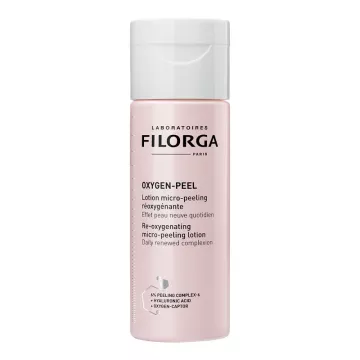
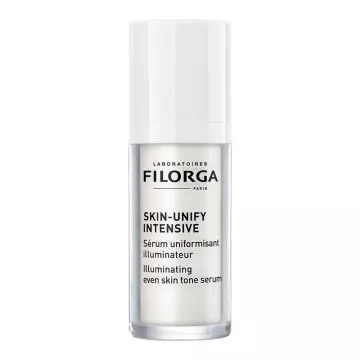
This four-step benchmark routine is suitable for most skin types. Gently cleanse morning and night with a product suited to your skin type to remove impurities, sebum, and pollution without stripping the skin barrier. Exfoliate 1 to 2 times a week, usingan AHA- or BHA-based product depending on your skin’s needs, to renew the epidermis and enhance radiance. Moisturize daily with a cream suited to your skin type, possibly containinghyaluronic acid. Targeted treatments in serum form (vitamin C in the morning for radiance, niacinamide for skin imperfections) applied before the moisturizer. All of this is reinforced by strict sun protection during the day. Complete selection in the “Perfect Complexion” category.
Equalizing your complexion overnight isn’t realistic: skin renewal takes about 28 days in adults. However, certain steps can visibly speed up the process.
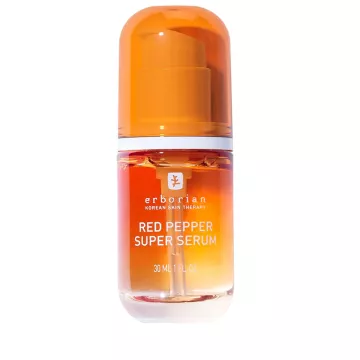
There are several strategies you can use to achieve faster results. Concentrated serums containing vitamin C, niacinamide, or alpha-arbutin, applied morning and night, can improve radiance within a few weeks. Weekly radiance masks made with clay, honey, or gentle enzymes help reveal a more luminous complexion in the short term. A diet rich in antioxidants (berries, leafy greens, fatty fish) supports skin health in the medium term. Consultations with a dermatologist can lead to targeted treatments (gentle peels, prescribed treatments) when skin irregularities are pronounced. None of these approaches replaces the need for strict sun protection, which is essential for the long-term durability of the benefits achieved.
Diet influences the appearance of the skin through several mechanisms: essential nutrient intake, antioxidant support, the quality of the hydrolipidic film, and glycemic impact. Dietary changes yield visible results over a period ranging from several weeks to several months.
Three food groups help promote a more even complexion. Omega-3 fatty acids found in fatty fish (salmon, mackerel, sardines), flaxseeds, and walnuts nourish the skin and help maintain the fluidity of cell membranes. Vitamin E found in almonds, sunflower seeds, olive oil, and avocados helps protect cells from oxidative damage. Plant-based antioxidants (polyphenols, carotenoids, vitamin C) found in colorful fruits and vegetables (berries, citrus fruits, bell peppers, leafy greens, cooked tomatoes) combat free radicals involved in skin aging. Limiting refined sugars and foods with a high glycemic index can also improve skin appearance in certain sensitive skin types.
Several recurring mistakes undermine your efforts. Avoiding them immediately improves the return on investment of your skincare routine.
Neglecting sun protection is the number one mistake: unprotected UV exposure causes and worsens most pigment spots, even on cloudy days and even indoors near a window. Using products unsuitable for your skin type (overly rich products on oily skin, harsh cleansers on sensitive skin) disrupts the skin barrier and accentuates imperfections. Neglecting hydration leaves the skin dull, dry, and uneven. Over-exfoliating (several times a week, or the combined use of AHAs, BHAs, and retinoids without taking precautions) weakens the skin and leads to long-term hypersensitivity. Frequently touching your face and using dirty items (such as a cell phone or unwashed pillowcases) perpetuates breakouts. Chronic stress and poor sleep quality also contribute to a tired complexion.
Makeup offers an immediate solution that complements your skincare routine. When used correctly, it blurs imperfections without masking the skin’s improved condition achieved through daily care.
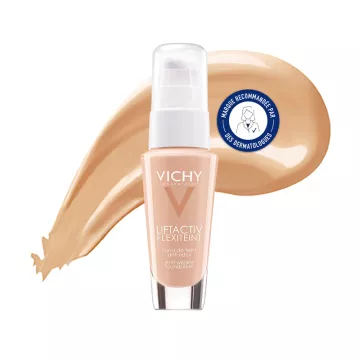
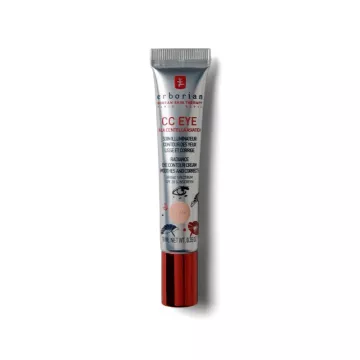
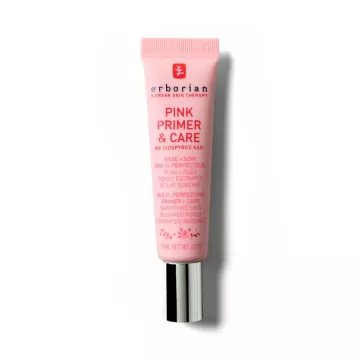
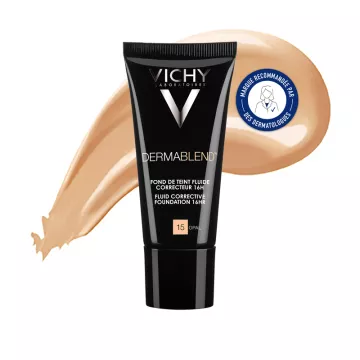
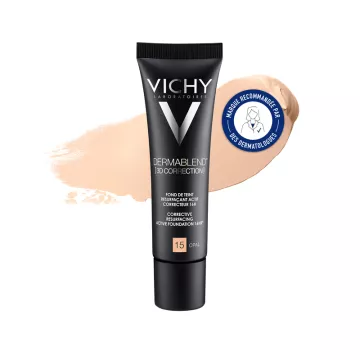
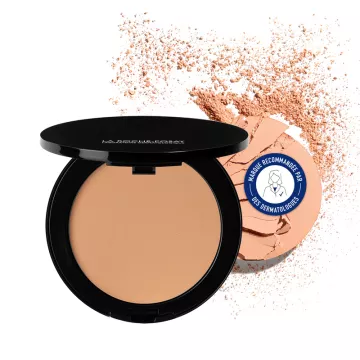
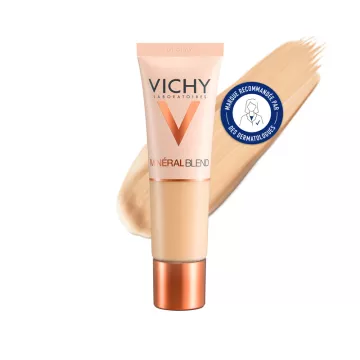
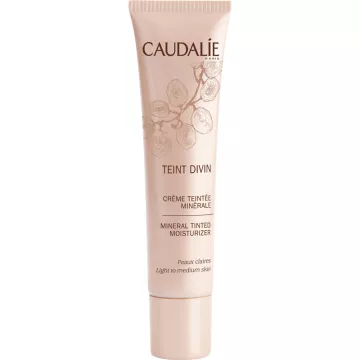
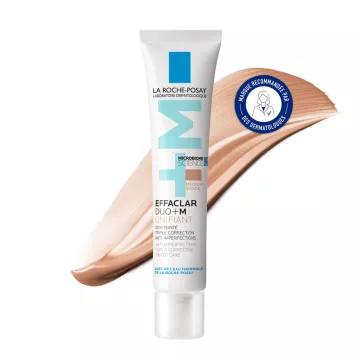
The tried-and-true routine consists of three steps. A makeup primer prepares the skin, smooths the texture, and improves the staying power of the foundation that follows. A foundation that’s the right shade and texture (matte for oily skin, moisturizing for dry skin, satin for combination skin) evens out the complexion with a thin layer. A concealer applied sparingly targets areas of discoloration and any remaining imperfections that the foundation alone cannot cover. For those looking for a lightweight routine, a tinted moisturizer with built-in SPF combines skincare, coverage, and protection. All the essentials can be found in the makeup category.
Home remedies can complement an overall skincare routine, provided you understand their limitations. Not all kitchen ingredients are suitable for cosmetic use on the face.
A few simple approaches are traditionally recommended. A plain yogurt mask, rich in gentle lactic acid, provides gentle enzymatic exfoliation and a soothing effect on sensitive skin. A scrub made with fine sugar and olive or jojoba oil mechanically exfoliates and nourishes the skin; it should be used gently to avoid micro-trauma to the skin barrier.Rose water, whether used as a spray or toner, provides a refreshing and soothing effect. Important precaution: Lemon, which is sometimes recommended for direct application, is photosensitizing and can cause phytophotodermatitis (long-lasting pigmented burns) after sun exposure; it should not be applied undiluted to the face. Similarly, applying turmeric powder directly can temporarily stain the skin and has no proven efficacy comparable to that of formulated cosmetic active ingredients.
Professional skincare offers advanced solutions for skin imperfections that are resistant to daily skincare routines. These procedures are strictly the domain of a dermatologist or a trained aesthetic physician.
Several techniques are available depending on the specific condition. Chemical peels of varying depths (glycolic acid, trichloroacetic acid, salicylic acid) remove the superficial layers of the skin and reveal a more even texture. Laser treatments (Q-switched laser, fractional laser, IPL) target pigmented spots and vascular conditions. Microdermabrasion andhydradermabrasion provide deep exfoliation and improve skin texture. Microneedling stimulates skin repair. All of these procedures require a prior medical evaluation, an analysis of skin type, assessment of potential contraindications (pregnancy, drug-induced photosensitivity, certain dermatological conditions), and strict post-procedural follow-up. SPF 50+ sunscreen is essential for several weeks following any treatment targeting pigmentation.