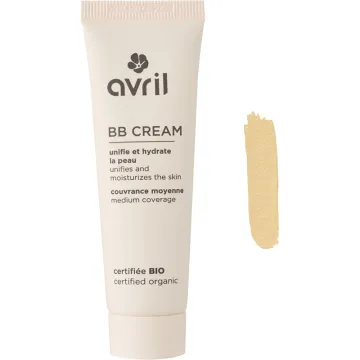
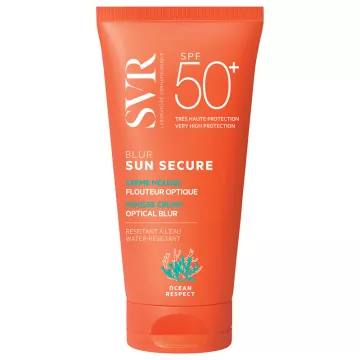
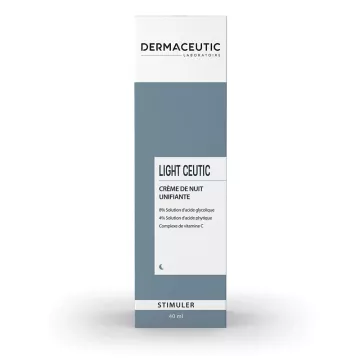
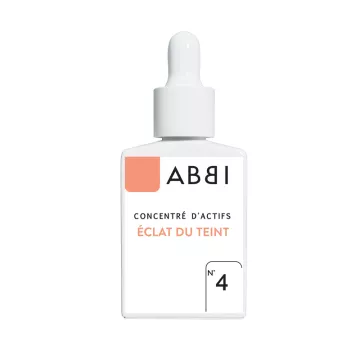
An uneven complexion is characterized by variations in skin color: brown pigment spots, redder areas, localized hyperpigmentation, or diffuse irregularities in skin texture. The main causes are:
Any pigmented spot that changes shape, color, or size; itches; bleeds; or suddenly appears on an unexposed area should prompt an immediate dermatological consultation (to screen for suspicious skin lesions, including melanoma).
Prevention relies on three main strategies. The first, and most effective, is daily broad-spectrum sunscreen with an SPF of 30 to 50, applied year-round, even on cloudy days and indoors near windows. The second is a diet rich in antioxidants (colorful fruits and vegetables, omega-3s) that helps the skin cope with oxidative stress. The third is adopting a gentle, gradual skincare routine that avoids overly harsh products, which can weaken the skin barrier and lead to residual marks.
Avoiding scratching or picking at pimples and skin lesions also reduces the risk of post-inflammatory hyperpigmentation.
Several cosmetic and medical approaches are available, to be chosen based on the nature of the spots, skin type, and a professional’s advice:
Important regulatory note: Hydroquinone is banned in cosmetics in France and Europe (Regulation (EC) No. 1223/2009). Its use is restricted to specific cases under a dermatologist’s prescription. No over-the-counter product may contain it.
A varied and balanced diet supports overall skin health. The following are particularly beneficial for the complexion:
Conversely, a highly processed diet rich in simple sugars and pro-inflammatory foods can exacerbate long-term skin imbalances. Quitting smoking is also a key factor.
A simple, consistent routine yields better results than a multitude of active ingredients:
Introduce active ingredients one at a time and monitor your skin’s tolerance for 2 to 4 weeks before adding another.
Hormonal fluctuations (pregnancy, birth control, menopause, polycystic ovary syndrome) can stimulate melanogenesis and promote the appearance of more pigmented areas on the face. Melasma is a classic example of this hormone-related pigmentation, often found on the forehead, cheekbones, upper lip, and chin.
Management involves strict sun protection (UV rays significantly worsen melasma) and appropriate medical follow-up for hormonal imbalances. Skincare products can help fade the appearance of melasma, but established melasma very often requires a dermatology consultation to determine an appropriate treatment plan.
Well-hydrated skin better maintains its comfort, elasticity, and the strength of its skin barrier. This helps limit irritation that can eventually lead to residual marks, particularly on thin or reactive skin. Using a moisturizer suited to your skin type and adjusting your daily water intake (on average 1.5 to 2 L for a healthy adult, to be adjusted according to activity level and climate) contributes to overall balance.
However, hydration alone is not enough to correct existing pigmentation: it remains a complementary component to other skincare steps (sun protection, targeted active ingredients).
Gentle, regular cleansing removes impurities, excess sebum, and pollution residues that have accumulated on the skin’s surface. This preserves the integrity of the skin barrier and helps ensure that subsequent skincare products are well tolerated. Conversely, overly aggressive cleansing (highly detergent-based foams, scalding water, repeated scrubbing) can weaken the skin and cause micro-irritations that contribute to an uneven complexion.
Choosing a gentle cleanser suited to your skin type, followed by an alcohol-free toner if desired to complete the cleansing process, helps prepare the skin to absorb subsequent skincare products.
Several naturally derived ingredients are known to help achieve a more even complexion:
Important warning: Applying pure lemon juice to the skin—sometimes marketed as a natural skin lightener—is strongly discouraged. The furocoumarins present in lemons cause phytophotodermatitis upon exposure to the sun: severe skin burns and long-lasting pigmentation spots may result. Opt for dermatologically tested and formulated skincare products instead.
Chronic stress leads to a prolonged increase in cortisol, which can disrupt the skin barrier, increase sebum production, trigger breakouts, and disrupt sleep. Collectively, these effects contribute to a less even complexion and the potential appearance of post-inflammatory marks.
Adopting daily stress management techniques (deep breathing, meditation, regular physical activity, and sufficient sleep) helps promote better overall balance. In cases of debilitating stress, persistent sleep disturbances, or unusual symptoms, a medical or psychological consultation is recommended.