What causes skin pigmentation spots?
Pigment spots result from localized overproduction of melanin. Several factors are involved:
- Sun exposure: the primary factor, as well as a trigger and aggravating factor for most spots
- Skin aging: the appearance of actinic spots (“age spots”) beginning around age 40–50
- Hormonal changes: pregnancy, estrogen-progestin birth control, hormone replacement therapy
- Skin inflammation: post-inflammatory marks following acne, eczema, burns, or wounds
- Photosensitizing medications: certain antibiotics, NSAIDs, and antidepressants
- Photosensitizing cosmetics used before sun exposure
- Genetic predisposition and skin type (darker skin tones are at higher risk)
- Specificdermatological conditions (melasma, lentigo, post-inflammatory hyperpigmentation)
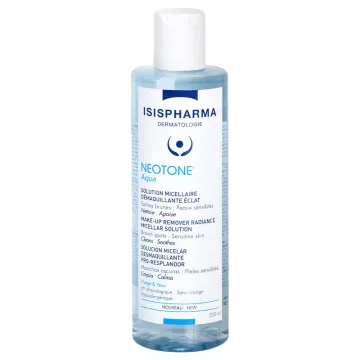
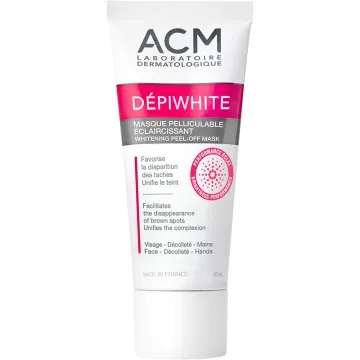
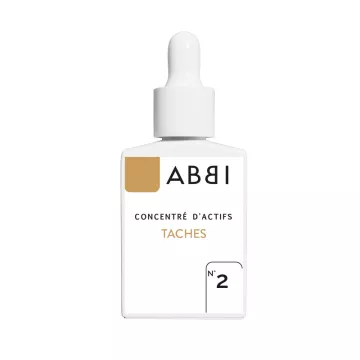
Dark spots come in various forms: solar lentigines (flat brown spots), melasma (diffuse patches on the face), post-acne marks, and ephelides (freckles). For pigmentation and brown spots, we provide specialized advice to help you.
How can you prevent dark spots from appearing?
Prevention largely relies on protection against triggers:
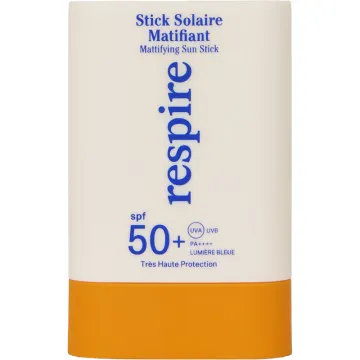
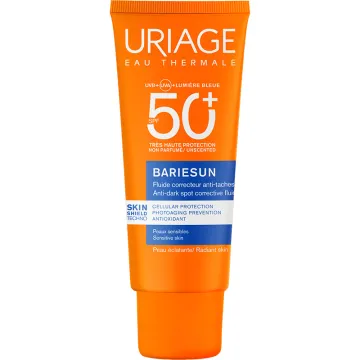
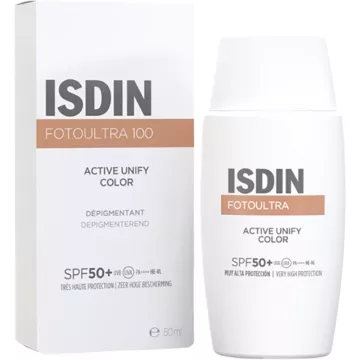
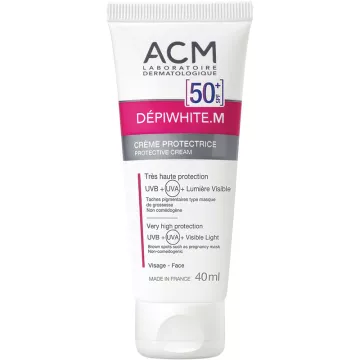
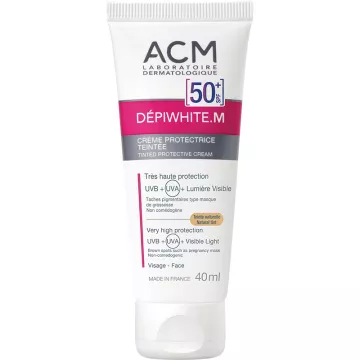
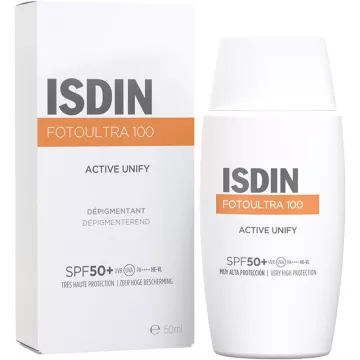
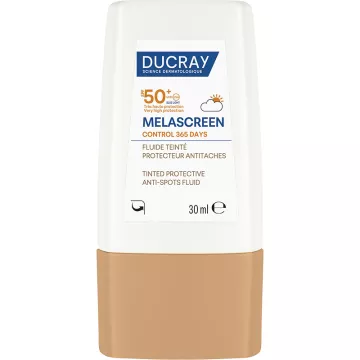
- Daily SPF 50+ broad-spectrum UVA/UVBsunscreen, summer and winter
- Apply a sufficient amount: 2 mg/cm² (equivalent to one teaspoon for the face)
- Reapply every 2 hours while outdoors and after swimming
- Wide-brimmed hat, sunglasses, and protective clothing
- Seek shade during the hottest hours of the day (11 a.m.–4 p.m.)
- Strictly avoid tanning beds
- Avoid photosensitizing cosmetics before sun exposure (lemon, citrus fruits, bergamot, AHA, BHA, retinol)
- Be cautious with photosensitizingmedications (read the package inserts)
- Gentle skincare products that do not cause chronic irritation
- Early treatment of skin inflammation (acne, eczema) to minimize residual marks
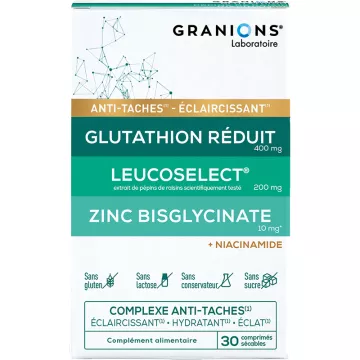
- Topical and dietary antioxidants for support
Our high-protection sunscreen section offers products specifically designed to prevent hyperpigmentation.
What treatments are available for pigment spots?
Several approaches are available; choose one in consultation with a dermatologist:
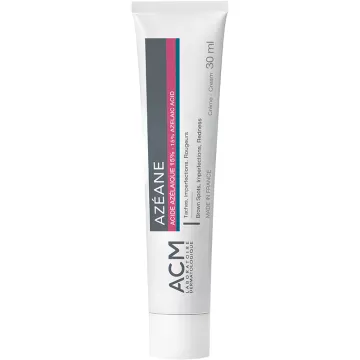
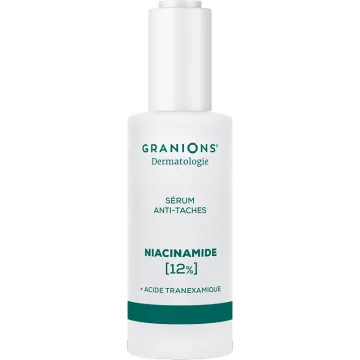
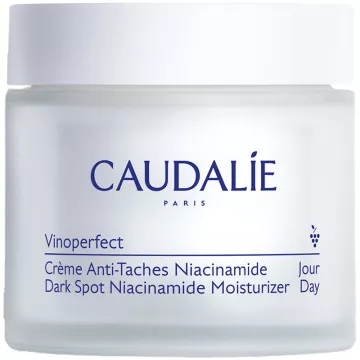
- Topical skincare products: brightening serums and creams containing vitamin C, azelaic acid, kojic acid, and niacinamide
- Topical tranexamic acid: an emerging treatment, particularly effective for melasma
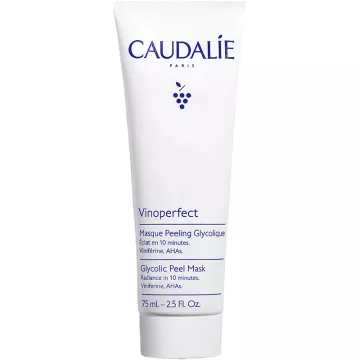
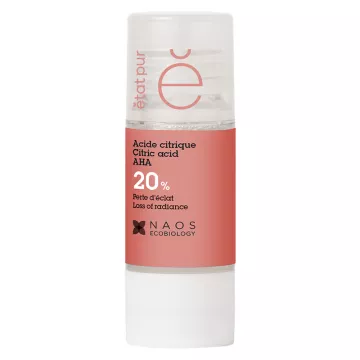
- Glycolic acid and other AHAs: gentle chemical exfoliants
- Hydroquinone: a depigmenting agent used by prescription in France for supervised treatment regimens (contraindicated during pregnancy and breastfeeding)
- Retinoic acid (tretinoin): prescription medication, contraindicated during pregnancy and breastfeeding (teratogenic)
- Superficial to mediumchemical peels (glycolic, mandelic, salicylic acids) performed in a clinic
- Microdermabrasion: mechanical exfoliation
- Targeted lasers and intense pulsed light (IPL) depending on the type of spot
- Cryotherapy: for certain isolated lentigines
- Microneedling or mesotherapy injections, depending on the indication
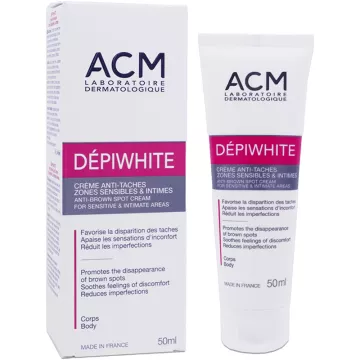
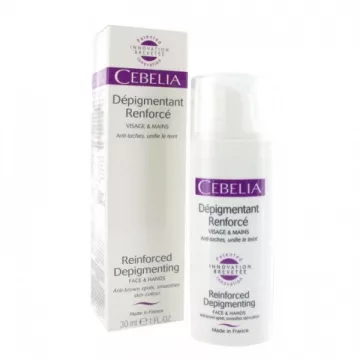
Our anti-spot section offers dermo-cosmetic treatments. For medical or aesthetic treatments, a dermatological consultation is required.
Is laser treatment effective against skin spots?
Laser treatment is one of the most commonly used options for certain conditions:
- Principle: selective targeting of pigmented cells using a wavelength suited to melanin
- Main indications: well-defined solar lentigines, superficial actinic spots
- Lasers used: Q-switched, picosecond, fractional lasers, IPL
- Number of sessions: 1 to several, depending on the depth of the spots
- Intervals: generally 4 to 6 weeks between sessions
- Aftercare: superficial scab that disappears within a few days
- Limitations: Less effective on melasma (risk of recurrence and worsening); caution is advised for dark skin types
- Contraindications: pregnancy, breastfeeding, certain active skin conditions, recent sun exposure
The laser treatment must be performed by a trained physician on spots that have been examined beforehand (to rule out any melanoma or suspicious lesions). Strict sun protection before and after the treatment is essential.
What are the risks associated with these treatments?
All treatments carry potential side effects:
- Temporaryredness and inflammation
- A burning or warmingsensation in the treated area
- Swelling and edema after the procedure
- Itching and temporary discomfort
- Paradoxicalpost-inflammatory hyperpigmentation, particularly in darker skin types
- Permanent or temporaryhypopigmentation (lighter areas)
- Scarring in rare cases of improper management
- Recurrence if sun protection guidelines are not followed
- Allergies to cosmetic ingredients or local anesthetics
- Increased sensitivity to the sun for several weeks
A thorough discussion with the dermatologist before treatment allows for an assessment of the benefits and risks based on the patient’s profile. Strict adherence to post-treatment instructions (sun protection, wound healing, gentle skincare) is essential for a successful outcome.
Can the spots reappear?
Recurrence is common, particularly without long-term preventive measures:
- Melasma: very frequent recurrences, particularly during pregnancy, while taking estrogen-progestin birth control, or with renewed sun exposure
- Solar lentigines: may reappear with age and chronic sun exposure
- Post-acne marks: recurrence with each new inflammatory flare-up
- Post-inflammatory hyperpigmentation: risk as long as inflammation persists
Strategies to limit recurrence:
- Strict, dailysun protection for life
- Regular dermatological follow-up
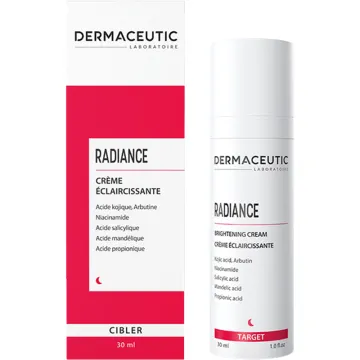
- Maintenance care with gentle skin-lightening ingredients
- Early treatment of skin inflammation
- Evaluation of hormonal factors and adjustment of birth control, if possible
- Supportive antioxidants (topical and dietary)
Accepting that this is a long-term process is essential to maintaining the results achieved.
Are skin-lightening products effective?
Cosmetic skin-lightening products provide gradual improvement over several weeks:
- Effectiveness varies depending on the active ingredients, their concentration, and how consistently they are used
- Time to see results: 4 to 12 weeks on average to observe a visible change
- Gradual, non-dramaticresults (unlike cosmetic procedures)
- Hydroquinone: a powerful agent, available by prescription in France, to be used as a short-term treatment under strict medical supervision (contraindicated during pregnancy and breastfeeding)
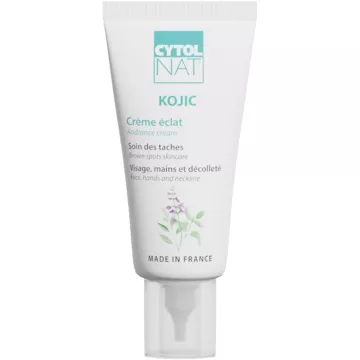
- Kojic acid: effective in cosmetics, available in varying concentrations
- Glycolic acid: combined exfoliation and skin lightening
- Tolerance should be monitored: possible irritation, particularly in sensitive skin
- Consistentuse of sunscreen is essential; failure to do so may negate the benefits
- Performa patch test 48 hours before regular use
For stubborn cases, a dermatology consultation can help explore stronger, medically supervised treatments.
What active ingredients should you look for?
Several active ingredients are recognized for their role in the cosmetic treatment of dark spots:
- Vitamin C (L-ascorbic acid, stabilized derivatives): an antioxidant that helps promote a radiant and even complexion
- Azelaic acid: effective for melasma and post-inflammatory acne; considered one of the safest (including during pregnancy, under medical supervision)
- Niacinamide (vitamin B3): regulates melanin transfer, helps even out skin tone
- Topicaltranexamic acid: an emerging treatment for melasma
- Kojic acid derived from fermentation
- Glabridin (licorice extract): a gentle skin-lightening agent
- Arbutin: acts on melanin production
- Glycolic acid and other AHAs: chemical exfoliants
- Phytate and various plant extracts
- Cosmetic retinol: cell renewal (for evening use only; contraindicated during pregnancy and breastfeeding; photosensitizing)
Combining several active ingredients in a balanced formula often yields better results than a single active ingredient at a high concentration. Gradual introduction allows for assessment of individual tolerance.
Which natural remedies should be used with caution?
Some traditional remedies exist, but require great caution:
Use with caution:
- Purealoe vera gel: soothing and moisturizing (perform a 48-hour patch test beforehand)
- Pure honey as a mask: perform an allergy test first (allergies to bee products)
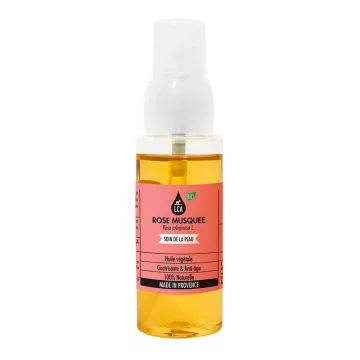
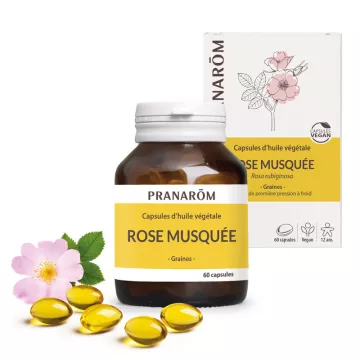
- Rosehip oil: use only in the evening
- Licorice extract in formulated cosmetics
- Green tea for topical application: antioxidants
Absolutely avoid:
- Lemon juice on the skin: highly phytophototoxic, may worsen dark spots and cause phototoxic burns (opposite of the desired effect)
- Undilutedapple cider vinegar: irritating, disrupts the skin’s pH balance
- Pure topical turmeric: temporarily stains the skin yellow, risk of allergic reaction
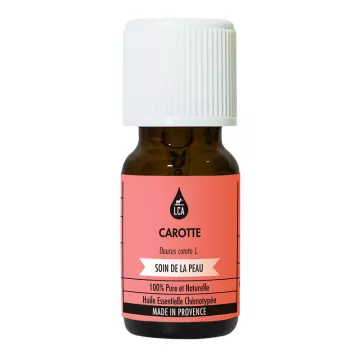
- Citrus essential oils (lemon, bergamot, orange): photosensitizing
- Untested homemade recipes with high irritation potential
The effectiveness of natural remedies remains limited and inconsistent compared to formulated skincare products. Always consult your pharmacist before using a homemade remedy on your face. If you experience an unusual reaction, stop use immediately and seek medical advice.
How to Choose the Right Treatment?
The choice depends on several factors assessed during a consultation:
- Type of spot: solar lentigo, melasma, post-inflammatory hyperpigmentation, freckles, suspicious lesion
- Depth: epidermal, dermal, or mixed (requires a different treatment approach)
- Location: face, hands, décolletage, body (varying sensitivity)
- Phototype: Darker skin tones are at higher risk for paradoxical effects
- Age and overall skincondition
- History of wound healing and skin reactions
- Pregnancy, breastfeeding, current use ofbirth control
- Current use of photosensitizingmedications
- Expectations and tolerance for potential side effects
- Budget and treatment context
A dermatology consultation is the recommended first step. The dermatologist examines the lesions (using dermoscopy if necessary to rule out any underlying conditions), assesses the skin profile, and proposes a prioritized treatment strategy. For established photoaging of the skin, a combined approach (topical treatments + medical procedures + strict sun protection) yields the best long-term results.