What is the "pregnancy mask"?
The pregnancy mask, also known as melasma or chloasma gravidarum, is a common form of skin hyperpigmentation that occurs during pregnancy. Characteristics:
- Brownish or grayish spots, sometimes in diffuse patches, usually symmetrical
- Typical locations: cheeks, forehead, upper lip, chin, and sometimes the nose and temples
- Cause: localized overproduction of melanin by melanocytes
- Oftenappears starting in the second trimester; may become more pronounced until delivery
- Prevalence: Affects approximately 50 to 70% of pregnant women, according to studies
Although not medically serious, melasma can affect self-image and requires appropriate cosmetic management. To better understand the role of melanin in skin pigmentation, consult our dedicated resources.
What causes the “pregnancy mask”?
Several factors combine:
- Pregnancy-related hormonal changes: increased levels of estrogen and progesterone, stimulation of melanocytes
- UV exposure: a major trigger that exacerbates the condition by stimulating melanin production
- Visible (blue)light: a now-recognized aggravating factor
- Genetic predisposition: common family history
- Phototype: olive to dark skin tones are at higher risk
- Postpartumestrogen-progestin contraception may perpetuate the condition
- Photosensitizing medications (certain antibiotics, NSAIDs)
- Irritating or photosensitizingcosmetics
All these factors contribute to excessive stimulation of melanocytes, whose increased activity persists as long as the triggers continue.
How can melasma be prevented?
Prevention is far more effective than treatment:
- Daily sun protection with broad-spectrum (UVA-UVB) SPF 50+ applied every morning, even on cloudy days
- Reapply every 2 hours during prolonged sun exposure or after swimming
- Wide-brimmed hat, sunglasses, and protective clothing
- Seek shade during the hottest hours of the day (11 a.m.–4 p.m.)
- Avoid tanning beds
- Limit exposure to intenseblue light
- Gentle skincare routine without irritating, fragranced, or alcohol-based products
- Avoid photosensitizing cosmetics (retinoids, strong AHAs during pregnancy)
- Consult a healthcareprofessional before using any new product during pregnancy
Sun protection remains absolutely essential, even for brief periods of sun exposure (commuting, daily outings). Our sun protection section offers products suitable for pregnancy.
What treatments are available after childbirth?
Depigmenting treatments should be considered after childbirth, and ideally after weaning if the mother is breastfeeding. A prior dermatological consultation is essential.
Available topical active ingredients:
- Vitamin C (ascorbic acid): antioxidant and skin-lightening, generally well-tolerated
- Azelaic acid: skin-lightening; considered one of the safest options even during pregnancy, according to medical advice
- Niacinamide (vitamin B3): regulates pigmentation, anti-inflammatory
- Topicaltranexamic acid: an emerging treatment, effective for stubborn melasma
- Kojic acid, phytic acid, glabridin: natural skin-lightening agents
- Retinoids (tretinoin): strictly contraindicated during pregnancy and breastfeeding (teratogenic); should only be considered after weaning
- Hydroquinone: should be avoided during pregnancy and breastfeeding; reserved for certain dermatological uses by prescription only
Dermatological procedures (to be postponed until postpartum, following dermatologist approval):
- Superficial to mediumchemical peels
- Microdermabrasion
- Targeted lasers or intense pulsed light (IPL) depending on the type of melasma
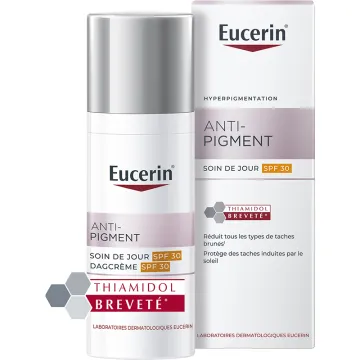
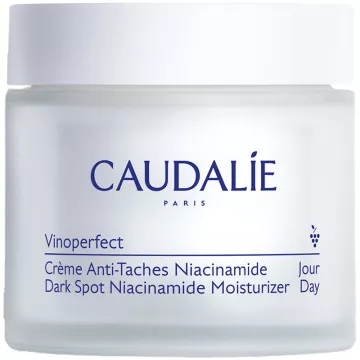
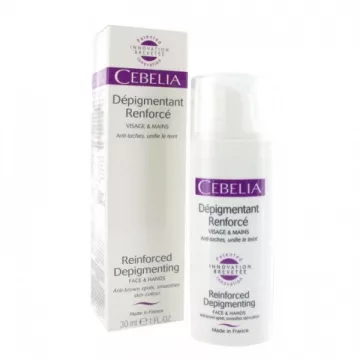
Our anti-dark spot section offers tailored dermo-cosmetic treatments.
Does the "pregnancy mask" disappear after childbirth?
Postpartum progression varies:
- Spontaneous fading in about 30% of cases within a year after childbirth, as hormonal balance is restored
- Partial or complete persistence in 70% of cases, especially without strict sun protection
- Possible recurrence during a subsequent pregnancy or while using estrogen-progestin birth control
- Risk of darkening with unprotected sun exposure
- Deep (dermal) melasma is more persistent than epidermal melasma
Continuous sun protection remains essential to limit recurrences and ensure the effectiveness of any treatments. A dermatology consultation allows for the assessment of the type of melasma (Wood’s lamp, dermoscopy) and the development of a personalized treatment plan.
What are the risk factors for melasma?
Certain groups are at higher risk:
- Family history of melasma (mothers, sisters)
- Phototype IV to VI (medium to dark skin) with more active melanocytes
- Multiple or closely spacedpregnancies
- Chronic sun exposure or living in a very sunny area
- Previous use ofestrogen-progestin birth control
- Hormone replacement therapy
- Poorly controlledthyroid disorders
- Chronic stress with hormonal effects
- Repeated use ofirritating cosmetics
Early identification of personal risk factors allows for tailored prevention starting as soon as you plan to become pregnant—ideally.
What natural remedies can help?
Certain natural ingredients are traditionally used, with a few precautions:
- Purealoe vera gel: soothing, moisturizing, generally well-tolerated
- Rosehip seed oil: known to support skin renewal; use only in the evening (low photosensitivity, but use with caution)
- Licorice extract (glabridin): a gentle skin-lightening agent
- Kojic acid derived from fermentation
- Cosmetically formulated vitamin C serums
- Green tea: protective antioxidants when applied topically
Absolutely avoid:
- Lemon juice on the skin: highly photosensitizing (phytophototoxic effect), may worsen dark spots instead of lightening them
- Citrus essential oils (bergamot, lemon) before sun exposure
- Untested homemade recipes that may be irritating
Always test any new product on a small area for 48 hours, and consult your pharmacist before use during pregnancy.
Are men also affected?
Male melasma does exist, although it is much less common (about 10% of cases):
- Chronic sun exposure without protection (main cause)
- Rarehormonal imbalances
- Photosensitizing treatments
- Familialgenetic predisposition
- Outdoor work or recreational activities
The principles of prevention and treatment are the same as for women: strict sun protection with SPF 50+, topical depigmenting treatments under dermatological supervision, and cosmetic procedures if necessary.
What is the psychological impact of melasma?
The psychological impact of melasma should not be underestimated:
- Decreased self-esteem, particularly among women who are very image-conscious
- Anxiety about how it will develop after childbirth
- Social avoidance or reliance on heavy makeup to cover the condition
- A feeling of isolation due to the slow pace of improvement
- Negative feelings toward pregnancy in casesof very extensive melasma
Compassionate listening by the healthcare professional, information about the benign nature of the condition and its potential course, as well as referral to a dermatologist or psychological support as needed, are all part of comprehensive care. Medical corrective makeup (camouflage) solutions can complement medical treatment and restore self-confidence while waiting for improvement. For broader questions related to pregnancy and the postpartum period, don’t hesitate to consult your midwife or gynecologist.