Can you really tighten pores, and how can you make them appear smaller?
Pores do not actually open or close—they do not have muscles. Their size is primarily determined by genetics and sebum production. However, their appearance can be significantly improved with a tailored skincare routine that keeps pores clean, regulates sebum production, and preserves perifollicular collagen. Skincare products for combination and oily skin with visible pores are available in the combination skin and blemish-prone skin line.
- What really works: regular unclogging of pores (keratin and oxidized sebum enlarge pores by filling them) — sebum regulation — support for skin firmness around the pores (collagen and elasticity)
- What doesn’t work: steam does not “enlarge” pores permanently — cold water does not “close” them permanently — vasoconstrictive effects are temporary — lemon juice (phytophototoxic, worsens hyperpigmentation) and egg white (bacterial risk, unproven effectiveness) should be avoided
- Skin types affected: combination and oily skin (excess sebum enlarging the pores)—mature skin (loss of collagen around the follicles)— acne-prone skin (accumulation of comedones)
Which active ingredients are most effective at refining the appearance of pores?
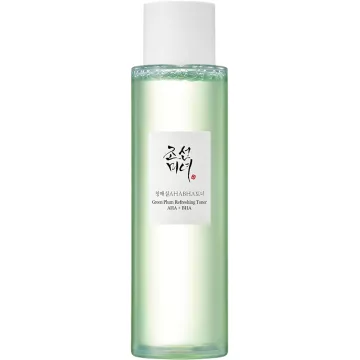
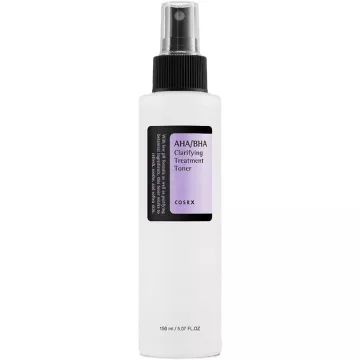
- Salicylic acid (BHA): a lipophilic exfoliant that penetrates the pores — dissolves sebum and dead skin cells that clog them — the gold standard ingredient for visible pores on oily and combination skin — 0.5 to 2% in a lotion or serum, used 1 to 2 times per week
- Niacinamide (vitamin B3): reduces the appearance of pores by regulating sebum production — soothes and strengthens the skin barrier — well-tolerated — 5 to 10% in a daily serum — the combination of niacinamide and zinc PCA is particularly well-documented
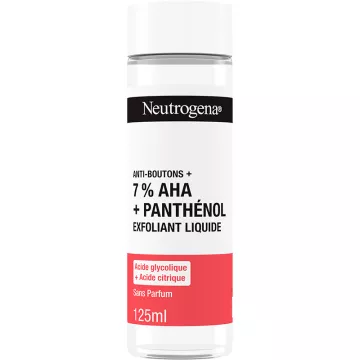
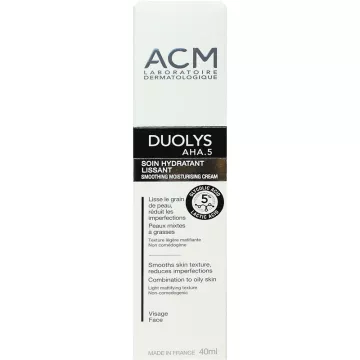
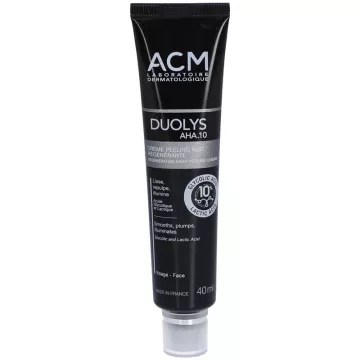
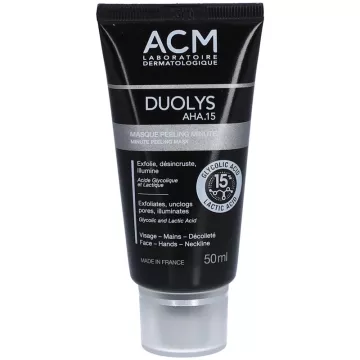
- AHAs (glycolic acid, lactic acid): surface exfoliants — stimulate cell turnover — photosensitizing — SPF 30 minimum required in the morning when using them
- Cosmetic retinol: stimulates perifollicular collagen synthesis — promotes cell turnover — provides long-lasting reduction in the appearance of pores with regular use — for evening use only; photosensitizing; contraindicated during pregnancy and breastfeeding
- Vitamin C: antioxidant — supports the quality of collagen around the pores — used alternately with retinol for sensitive skin
- Green or white clay mask 1–2 times per week — activated vegetable charcoal — absorbs excess surface sebum —aloe vera gel (soothing, light moisturizer for reactive skin)
What routine and technologies can help refine pores long-term?
Visible changes appear within 4 to 12 weeks of consistent use. Daily SPF 30 to 50+ sun protection is the number one preventive measure—UV rays break down perifollicular collagen and make pores appear larger over time.
- Morning routine: gentle cleansing — niacinamide serum — lightweight, non-comedogenic moisturizer (hyaluronic acid, glycerin, ceramides) — SPF 30 to 50+ mattifying fluid — pore-blurring primer as an optional finishing touch
- Evening routine: double cleanse if wearing makeup — salicylic acid or niacinamide serum — retinol on alternate nights (introduce gradually) — lightweight moisturizer
- Weekly: clay mask 1–2 times on the T-zone — AHA chemical exfoliant 1–2 times — do not combine retinol + AHA + BHA on the same night
- Medical procedures: superficial chemical peels (glycolic, salicylic) — microneedling with or without radiofrequency (collagen stimulation) — fractional lasers — radiofrequency — gradual results over multiple sessions — performed by a dermatologist or cosmetic physician