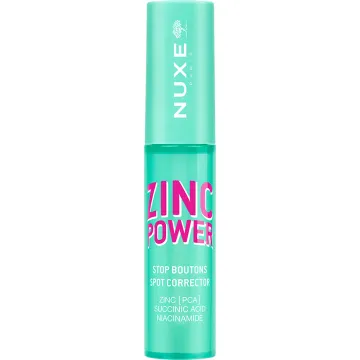
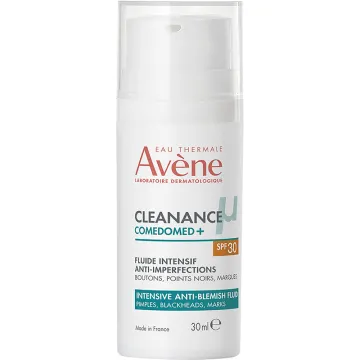
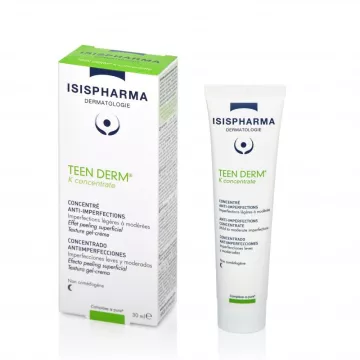
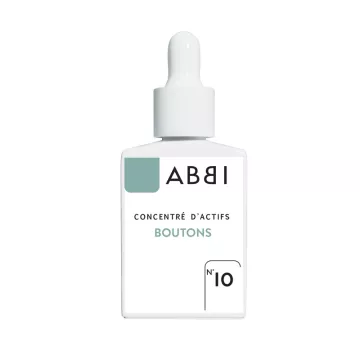
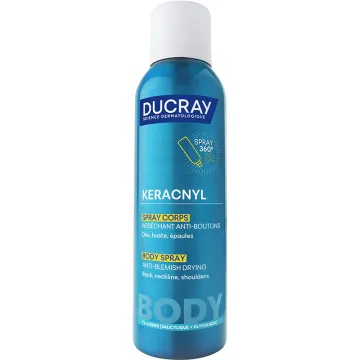
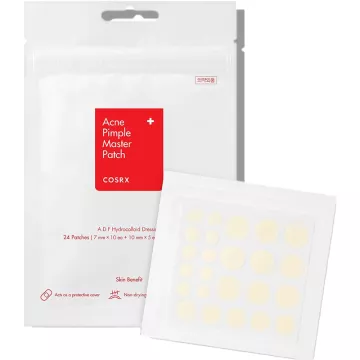
An acne pimple is an active, red, and often painful inflammatory lesion that differs from a blackhead in that it involves a local immune response. It forms when a follicle blocked by sebum and dead skin cells becomes a breeding ground for bacteria, triggering a visible inflammatory response in the form of localized redness and swelling—which niacinamide helps soothe at the first signs.
Acne lesions come in several forms depending on the depth and intensity of the inflammation. A papule is a small, firm, red bump with no visible pus. A pustule has a white or yellowish center filled with pus and is more superficial. A nodule, which is deeper and more painful, corresponds to extensive inflammation beneath the skin with no visible head, and more often leaves a scar once it has resolved.
Cutibacterium acnes, a bacterium naturally present on the skin, proliferates excessively in a blocked, sebum-rich follicle—an environment conducive to its growth. This proliferation triggers the inflammatory response that causes papules and pustules.Tea tree oil, with its recognized antibacterial properties, is traditionally used in diluted topical applications to limit this bacterial overgrowth on developing pimples.
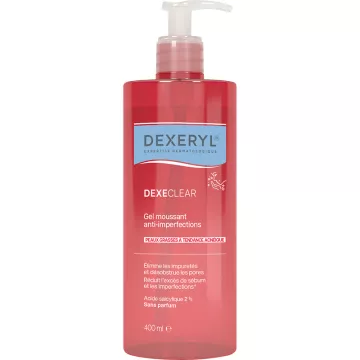
Salicylic acid, applied topically to the pimple as soon as it appears, helps reduce inflammation and speed up its resolution thanks to its ability to penetrate the clogged follicle without causing the irritation associated with harsher active ingredients.
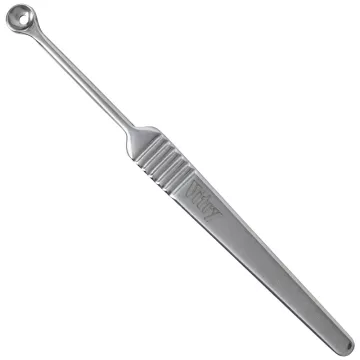
Popping or squeezing an acne pimple with your fingers carries the risk of spreading bacteria deeper into the skin, worsening inflammation and increasing the risk of permanent scarring, as well as the risk of secondary skin infections such asimpetigo if handled with unwashed hands. It is best to let the pimple run its natural course or to consult a professional for extraction under controlled hygienic conditions.
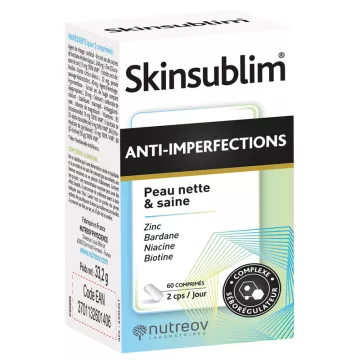
A dermatology consultation is recommended in cases of numerous pimples, recurring painful nodules, persistent scarring, or if topical treatments fail after several weeks of regular use. Oral zinc supplementation may be considered as an adjunct under professional guidance, but it is not a substitute for appropriate dermatological treatment in cases of moderate to severe acne.