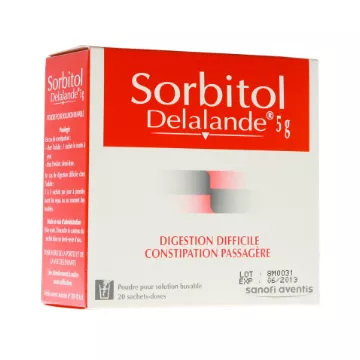
What is digestive discomfort, and how can it be described?
Digestive discomfort refers to all unpleasant symptoms related to the gastrointestinal system; it is not a disease in itself—rather, it is a sign that the digestive system is out of balance. Depending on the predominant symptoms, it directs you to more specialized pages. Our line of digestive medications offers solutions tailored to each individual’s needs.
- Bloating and gas: excessive fermentation in the colon—excess FODMAPs, dysbiosis, aerophagia—see our bloating page
- Abdominal pain and spasms: involuntary contractions of the smooth intestinal muscles—IBS, postprandial spasms, colopathy—see our page on digestive spasms
- Heaviness and sluggish digestion: often occurs after meals—heavy meals, fatty foods, enzyme deficiency—see our page on sluggish digestion
- Irregular bowel movements: constipation or diarrhea accompanied by discomfort—see our page on bowel movement disorders
- Chronic digestive discomfort (> 6 months): Rome IV criteria — IBS or functional dyspepsia — medical evaluation recommended to rule out an organic cause
IBS vs. general digestive discomfort: how to tell them apart?
- Occasional digestive discomfort: episodic, related to overeating, stress, or a change in routine—resolves quickly with simple measures—no systematic link to bowel movements
- Irritable Bowel Syndrome (IBS): chronic (> 6 months), abdominal pain related to bowel movements (Rome IV criteria), alternating or predominantly diarrhea/constipation — FODMAP diet + probiotics + stress management
- Dysbiosis: imbalance of the microbiota—bloating + gas + irregular bowel movements following antibiotic therapy, infection, or prolonged stress—probiotics + prebiotics to restore the gut flora
- Medical causes to rule out: IBD (Crohn’s disease, ulcerative colitis), celiac disease, colorectal cancer—if symptoms last > 4 weeks or red flags are present
- Red flags (urgent medical attention required): blood in the stool, unintentional weight loss, nighttime pain, fever, repeated vomiting, sudden change in bowel habits after age 50
Natural and Medicinal Treatments for Digestive Discomfort
Treatment targets the predominant symptom—see our digestive comfort range for suitable natural ingredients.
- Antispasmodics: phloroglucinol (Spasfon), tiemonium—reduce intestinal cramps and spasms—use only as directed by a doctor if pain is severe—see our page on digestive spasms
- Ginger: prokinetic + digestive anti-inflammatory + antiemetic—relieves postprandial heaviness and discomfort—500–1,000 mg before meals
- Chamomile: antispasmodic for the gastric mucosa—soothes epigastric pain and reduces inflammation of the intestinal wall—tea 3 times a day
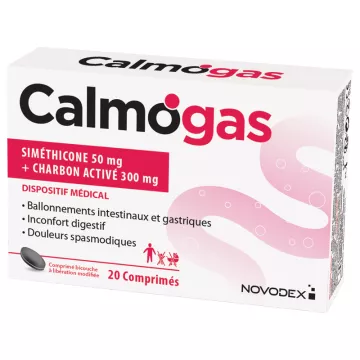
- Activated vegetable charcoal: adsorbs intestinal gas — provides rapid relief from bloating — take separately from medications (at least 2 hours apart)
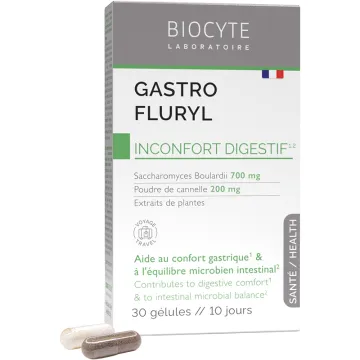
- Probiotics (Lactobacillus, Bifidobacterium, Saccharomyces boulardii): restore balance to the microbiome — reduce bloating and functional discomfort — take for at least 4–6 weeks
Diet, Stress, and Prevention of Digestive Discomfort
- Diet to reduce discomfort: gradually increase fiber intake (not all at once), reduce FODMAPs if you have IBS, avoid alcohol, coffee, spices, and carbonated beverages — see our page on improving digestion
- Natural probiotics: plain yogurt, kefir, sauerkraut, miso — maintain the balance of gut flora and reduce excessive fermentation
- Stress management: Cortisol increases intestinal permeability and visceral sensitivity—cardiac coherence, meditation, yoga—the brain-gut axis is fundamental in functional digestive discomfort
- Hydration: 1.5–2 L/day — plain water is preferable to carbonated beverages (additional gas) — drink between meals
- Physical activity: walk 30 min/day — stimulates intestinal motility — reduces stress — proven effectiveness for IBS and functional bloating