What Are Digestive Spasms and How Can You Identify Them?
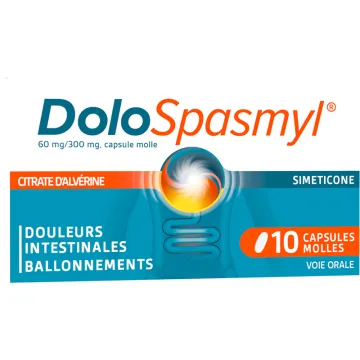
Digestive spasms are involuntary and painful contractions of the smooth muscles of the digestive tract—from the esophagus to the colon. Their location determines the cause and treatment. This hub directs you to specialized pages. Our line of medications for digestive pain and comfort offers appropriate antispasmodics.
- Esophageal spasms: chest pain + dysphagia (difficulty swallowing)—may mimic heart pain—“nutcracker” esophagus—diagnosis via esophageal manometry
- Gastric spasms: epigastric pain + nausea + postprandial discomfort — often related to stress, gastritis, or reflux — see our page on gastric spasms
- Intestinal (small intestine) spasms: periumbilical pain + disturbed bowel movements — often related to intolerances (lactose, fructose) or SIBO
- Colonic spasms: pain in the flanks or lower abdomen + bloating + alternating constipation and diarrhea — IBS in most cases — see our page on intestinal spasms
- Red flags (emergency): cramps + blood in the stool, + fever, + weight loss, + nighttime pain severe enough to wake you up → seek urgent medical attention — rule out IBD, colorectal cancer, appendicitis
Common causes of digestive spasms
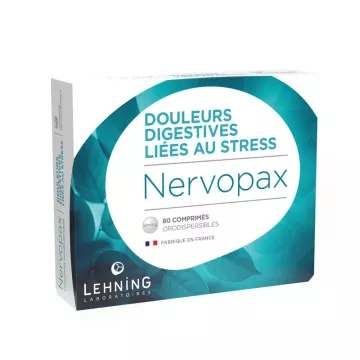
- Stress and the brain-gut axis: the leading cause of functional spasms — cortisol and adrenaline directly alter digestive motility → colic and gastric spasms — documented cognitive-behavioral therapy (CBT) and cardiac coherence
- IBS (irritable bowel syndrome): visceral hypersensitivity + impaired colonic motility — spasms triggered by meals, stress, or menstruation — Rome IV criteria
- Food intolerances: lactose, gluten, fructose — spasms occurring 30 minutes to 2 hours after consuming the trigger food + bloating
- Low-fiber diet: hard stools → straining → compensatory colonic spasms
- Medications: NSAIDs (gastritis + gastric spasms), antibiotics (dysbiosis + intestinal spasms), certain antidepressants (impaired motility)
Medicinal and natural treatments for digestive spasms
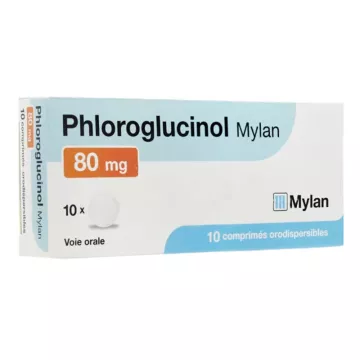
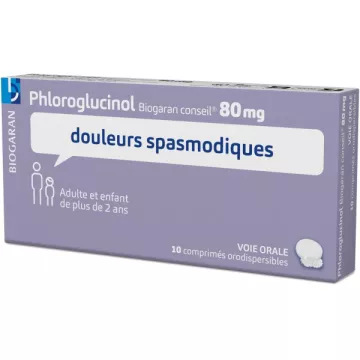
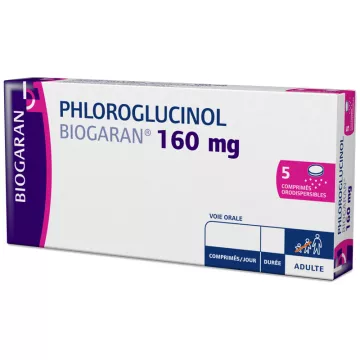
- Phloroglucinol (Spasfon): the standard musculotropic antispasmodic in France — directly relaxes smooth digestive muscles — causes no drowsiness or anticholinergic effects — acute spasms and colic
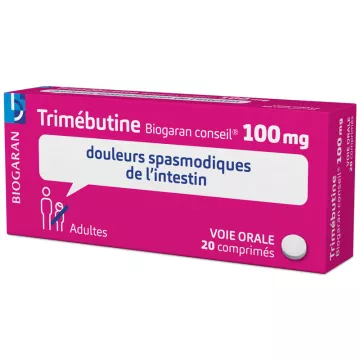
- Mebeverine (Duspatalin): a muscle antispasmodic—specifically indicated for IBS—acts on the colon—no systemic effects
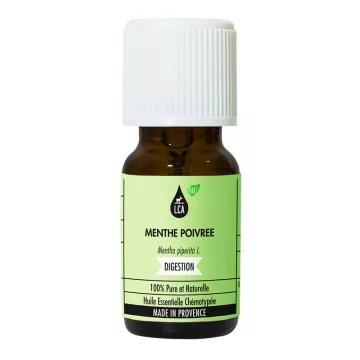
- Peppermint (enteric-coated capsules): the standard natural antispasmodic for the colon — menthol relaxes smooth muscles → reduces pain and cramps — proven efficacy in IBS — enteric-coated form required
- Magnesium: regulates the excitability of smooth digestive muscles — natural calcium antagonist — 300–400 mg/day of bisglycinate — a foundational treatment for IBS and chronic spasms
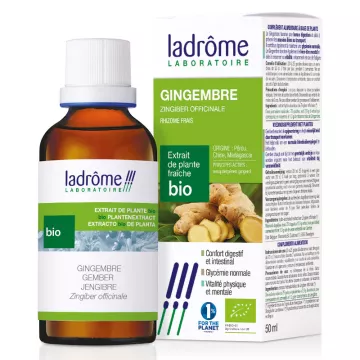
- Chamomile, fennel, ginger: natural carminatives and antispasmodics — reduce smooth muscle tension and facilitate the release of gas that exacerbates spasms
Prevention, Lifestyle, and When to Seek Medical Advice
- Gradually increasing soluble fiber (psyllium, pectin): regulates colonic motility + softens stools → reduces constipation-related spasms — increase by 5 g per week with adequate hydration
- Stress management: cardiac coherence (3 min × 3 times/day), meditation, yoga — fundamental brain-gut axis — CBT is beneficial for IBS with predominant spasms
- Physical exercise: 30 min/day of walking or swimming — improves bowel motility and reduces visceral sensitivity — documented reduction in the frequency of spasms in IBS
- Symptom diary: record meals + stress + times + spasms — identify trigger patterns — personalize food elimination
- Seek medical attention if: spasms + weight loss, + blood in the stool, + fever, + nighttime pain, + sudden change in bowel habits — colonoscopy, blood tests, and fecal calprotectin testing are essential