What is an intestinal spasm, and how can it be distinguished from a stomach spasm?
An intestinal spasm is a sudden, painful contraction of the smooth muscles of the small intestine or colon—characterized by cramp-like pain around the navel or in a colic-like pattern, often relieved after passing gas or having a bowel movement. This should be distinguished from a gastric spasm (epigastric pain, related to meals). Our range of flat-belly supplements and our probiotics naturally help manage functional intestinal spasms. For a comprehensive guide to antispasmodics, visit our page on digestive spasms.
- Functional intestinal spasms (IBS): the most common—pain related to bowel movements (Rome IV criteria)—relieved after defecation—associated with bloating and irregular bowel movements—see our Irritable Bowel Syndrome hub
- Organic intestinal spasms: colitis (ulcerative colitis, Crohn’s disease) — intestinal infections — partial obstructions — food intolerances (lactose, fructose, gluten) — must be ruled out before diagnosing IBS
- Identified triggers: FODMAPs (fermentable, colonic fermentation → gas → bloating → spasm) — acute stress (cortisol → hypermotility) — coffee > 2 cups/day — alcohol — large, fatty meals
- Intestinal spasms and hormonal imbalances: progesterone (luteal phase of the cycle, pregnancy) slows intestinal motility → increased fermentation → spasms — maintenance treatment with magnesium and probiotics
- Food and symptom diary (2–4 weeks): record foods + time + stool consistency + spasm intensity — identify personal triggers — essential tool before any consultation or elimination diet
Natural remedies and supplements for intestinal spasms
- Enteric-coated peppermint (capsules): menthol specifically relaxes the smooth muscles of the colon — the enteric-coated form releases menthol in the colon (not in the stomach → no burning sensation) — 0.2–0.4 mL of essential oil per capsule × 3 times daily — the gold standard natural active ingredient for IBS spasms
- Magnesium bisglycinate (300–400 mg/evening): a natural calcium antagonist for intestinal smooth muscles — reduces the excitability of colonic muscle fibers — 6–8-week course of treatment — optimal results for chronic IBS spasms
- Probiotics (Lactobacillus plantarum 299v, Bifidobacterium infantis 35624): reduce visceral intestinal hypersensitivity — normalize colonic motility — positive clinical data for IBS spasms — included in our buffer formulas
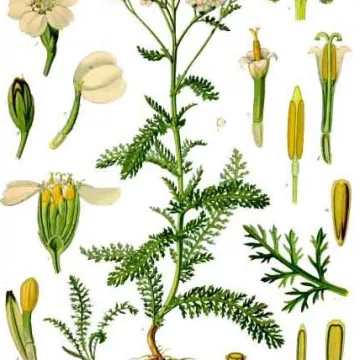
- Fennel (seed tea) + green anise + cumin: carminatives — reduce the production of fermentative colonic gas → less bloating → fewer spasms — drink after meals
- Ginger (500 mg before meals): prokinetic + antispasmodic — accelerates gastric emptying and normalizes intestinal motility — reduces colonic fermentation by accelerating small intestine transit
Medication and the FODMAP Diet
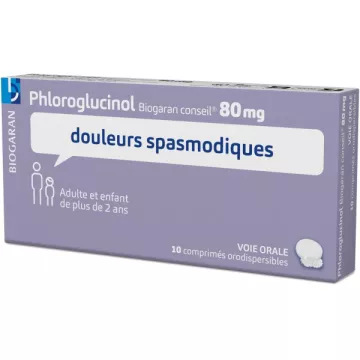
- Phloroglucinol (Spasfon): the gold standard musculotropic antispasmodic — acts on all smooth muscles of the digestive tract — no anticholinergic effects — available without a prescription — provides rapid relief during an episode
- Mebeverine (Duspatalin): selective colonic antispasmodic — reduces excessive colonic contractility without affecting skeletal muscles — specifically indicated for colonic spasms in IBS — available by prescription
- FODMAP Diet: 6–8-week elimination of fermentable carbohydrates (lactose, fructose, fructans, galactans, polyols)—gradual reintroduction—effective in 75% of IBS cases with spasms—ideally supervised by a dietitian
- Low-dose tricyclic antidepressants (amitriptyline 10–25 mg): reduce visceral hypersensitivity and colonic spasms in refractory IBS — requires a specialized medical prescription
- Screening colonoscopy (> age 50 or red flags): to rule out colorectal cancer, polyposis, and IBD — fecal calprotectin + complete blood count (CBC) + C-reactive protein (CRP) as first-line testing before colonoscopy
Stress, CBT, and when to seek medical advice
- Brain-gut axis: Cortisol stimulates colonic motility receptors → spasms — chronic stress perpetuates IBS — treating anxiety = treating spasms — cardiac coherence 3 times a day + sophrology
- CBT (Cognitive Behavioral Therapy): proven effectiveness for IBS-related intestinal spasms — 8–12 sessions — alters the perception of visceral pain + reduces cortisol — lasting results at 2 years
- Digestive yoga: twisting poses (ardha matsyendrasana) + knees-to-chest (apanasana) + side plank — directly massage the colon — reduce fermentation and spasms
- Acupuncture (points ST36, CV12, SP6): 6–10 sessions — regulates intestinal motility + reduces visceral hypersensitivity — documented results in IBS with spasms
- Seek medical advice if: persistent spasms lasting > 6 weeks — blood in the stool — weight loss > 5% — fever — nocturnal diarrhea (always organic) — sudden onset after age 50 — IBS diagnosis = mandatory exclusion of organic pathologies