What is a gastric spasm, and how can you recognize it?
A gastric spasm is a sudden, involuntary contraction of the smooth muscles in the stomach wall—painful, brief (lasting from a few seconds to a few minutes), and often recurring. It can be distinguished from persistent organic pain (such as from an ulcer or gastritis) by its cramp-like and episodic nature. Our line of digestive medications and supplements offers suitable natural and pharmaceutical antispasmodics.
- Characteristics of a gastric spasm: acute, brief pain in the epigastrium—often occurs between meals or during times of stress—relieved by heat or antispasmodics—may be accompanied by nausea or belching
- Functional causes (most common): stress and anxiety (sympathetic nervous system → gastric muscle contractions), irritating foods (alcohol, coffee, strong spices), overly large meals (gastric distension → reflex spasm), dehydration (insufficient gastric mucus → exposed walls)
- Organic causes to rule out: gastritis (mucosal inflammation), gastric ulcer (more constant pain + rhythmic with meals), GERD (heartburn + associated regurgitation)
- Difference between spasm and ulcer: spasm = brief, acute, cramp-like pain, relieved by antispasmodics — ulcer = persistent pain, occurring with meals, relieved by antacids, risk of complications (bleeding, perforation)
- Dehydration and gastric spasms: lack of water reduces the secretion of protective mucus → mucous membrane exposed to acids → increased susceptibility to spasms — 1.5–2 L/day of plain water between meals
Natural remedies and essential oils to relieve gastric spasms
- Peppermint essential oil (Mentha piperita): menthol relaxes the smooth muscles of the stomach — 1–2 drops diluted in a spoonful of vegetable oil, massaged in a circular motion onto the epigastrium — or 1 drop on a sugar cube (take orally with caution) — well-documented effectiveness as a gastric antispasmodic — use with caution if you have severe GERD (relaxes the lower esophageal sphincter)
- Ginger (herbal tea or 500 mg capsules): gastric prokinetic + anti-inflammatory + antispasmodic — soothes involuntary gastric contractions — reduces associated nausea — take before meals that are likely to cause discomfort
- Chamomile (3 cups of tea per day between meals): antispasmodic for gastric smooth muscles + anti-inflammatory for the mucosa — gentle but consistent action — ideal for stress-related functional spasms
- Local heat: heat pad for 15–20 minutes on the epigastrium — vasodilation + relaxation of smooth muscles — an effective first-line treatment during an attack
- Diluted ginger essential oil (abdominal massage) + rosemary essential oil (antispasmodic): Mix 2–3 drops of peppermint essential oil + 1 drop of ginger essential oil in 10 mL of vegetable oil — massage in a clockwise circular motion — relief within 5–10 minutes
Medication, Diet, and Lifestyle
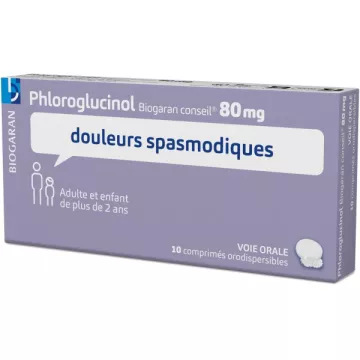
- Phloroglucinol (Spasfon): the gold standard musculotropic antispasmodic—directly relaxes gastric smooth muscle fibers—no anticholinergic effects—fast-acting and well-tolerated—available without a prescription—see our digestive spasms hub
- Magnesium bisglycinate (300–400 mg/night): regulates the excitability of gastric smooth muscles — natural calcium antagonist — reduces the frequency and intensity of chronic spasms — 4–6-week course of treatment
- Anti-spasm diet: small, frequent meals (5–6 per day)—avoid alcohol, coffee, very spicy foods, citrus fruits (direct irritants) — chew slowly 20–30 times — eat in a calm environment (parasympathetic nervous system = optimal digestion)
- Acupuncture: stimulation of the PC6 point (wrist, antispasmodic), CV12 point (epigastrium, gastric comfort), and ST36 point (lateral third of the leg, digestive tone) — 6–10 sessions for a lasting effect on chronic gastric spasms
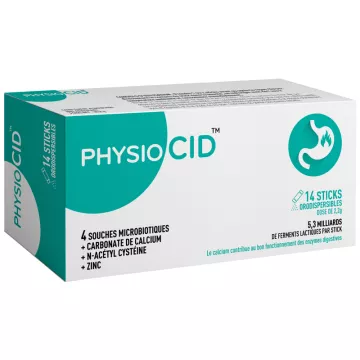
- Probiotics (Lactobacillus acidophilus): restore balance to the gut microbiota and reduce gastric hypersensitivity — 4–6-week course — especially useful for spasms following antibiotic therapy or related to dysbiosis
Stress Management, Emergencies, and When to Seek Medical Attention
- Stress and gastric spasms: cortisol and adrenaline stimulate involuntary gastric muscle contractions — cardiac coherence 3 times a day + meditation + yoga — CBT if chronic gastric spasms are related to generalized anxiety
- Abdominal breathing: during an episode—take 5 deep breaths through the abdomen—activates the vagus nerve → inhibits the sympathetic nervous system → relaxes the gastric smooth muscles
- Avoid dehydration: drink 1.5–2 L/day of plain water between meals — water between meals does not dilute gastric juices but hydrates the gastric mucosa
- Seek medical attention if: severe or recurrent gastric spasms lasting > 4 weeks — resistance to antispasmodics — accompanied by weight loss, blood in vomit, or dysphagia — onset after age 55 with no prior history — rule out ulcer, gastritis, or pancreatic disease
- Emergency (call 15): severe cramps + pain radiating to the back + fever (acute pancreatitis) — cramps + vomiting blood (gastrointestinal bleeding) — cramps + rigid abdomen (peritonitis)