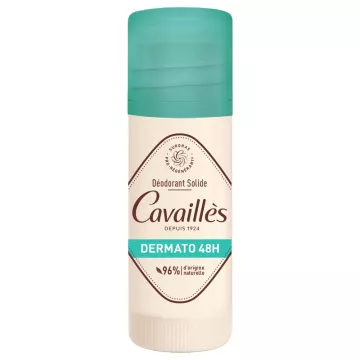
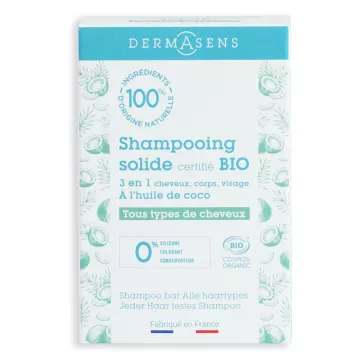
Solid cosmetics are a category of beauty products that come in solid form, unlike traditional liquid formulas.
This format allows for more economical, controlled use and actively helps reduce plastic waste in the bathroom.
It encompasses a wide variety of products: shampoos, conditioners, soaps, toothpaste, deodorants, skincare products, and even certain makeup items.
The main difference from traditional cosmetics is that solid formulas are generally water-free, which reduces the need for harsh preservatives (to be confirmed by the INCI list, as some formulas do contain mild preservatives to ensure stability).
Solid cosmetics offer several combined benefits from both a dermatological and ecological perspective.
For the skin, their often more concentrated and simpler composition may be better tolerated by certain sensitive skin types, depending on the active ingredients present.
Their concentrated nature allows for more controlled application, limiting waste and extending the product’s shelf life.
From an environmental perspective, they significantly reduce plastic waste from packaging, which is often biodegradable, recyclable, or reusable.
Incorporating solid cosmetics into your daily routine is simple and accessible.
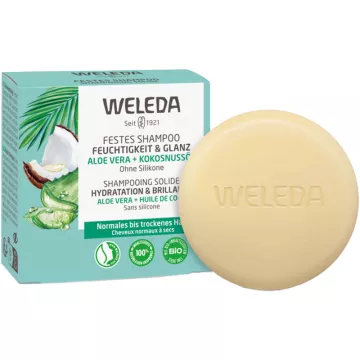
For solid shampoos and conditioners, rub the solid shampoo directly onto wet hair or in your hands to create a lather, then apply to your hair and rinse thoroughly.
Soaps and deodorants are used just like their traditional counterparts, following any recommended application times.
Store the products in a dry place between uses (a draining soap dish, an aluminum tin) to preserve their longevity and effectiveness.
The solid cosmetics industry has significantly expanded its product range in recent years.
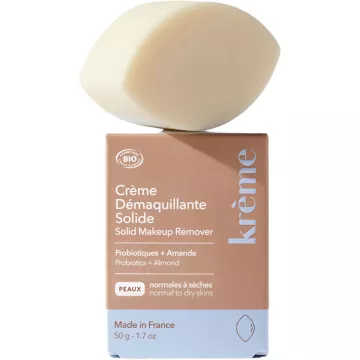
Beyond shampoos and soaps, you can now find toothpaste, skincare products, makeup removers, solid perfumes, and even some sunscreen products.
For solid sunscreens: the amount needed to achieve the claimed SPF is often difficult to apply in a single application. Reapply frequently to ensure effective protection, especially during prolonged sun exposure.
Modern formulations are enriched with bioactive ingredients and can now meet most skincare needs with performance comparable to liquid formulas.
To choose the right solid cosmetic, first identify your skin or hair type and your top priorities.
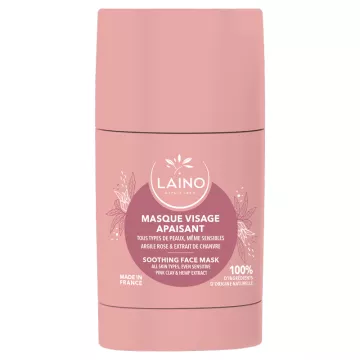
For the face, those with sensitive skin should opt for formulas containingaloe vera, chamomile, or oats; those with oily skin should look for purifying active ingredients (charcoal, green clay).
For hair: moisturizing bars with shea butter for dry hair; lighter, clarifying formulas for oily hair or hair with dandruff; for the body, choose a solid soap suited to your skin type.
Read the INCI list carefully and opt for products that are explicitly dermatologically tested, especially if you have reactive or allergic skin.
Solid cosmetics are particularly convenient for travel, whether short or long.
Their solid form exempts them from liquid restrictions in the airplane cabin (the 100-ml rule).
Since there’s no risk of leakage, they’re ideal for carry-on luggage or gym bags.
For transport, use specialized containers (aluminum, silicone, or treated wood boxes) that preservethe product’sintegrity and shelf life.
Although the unit price of a solid cosmetic may seem higher at the time of purchase, they are often more cost-effective in the long run.
Highly concentrated, they generally last longer than their liquid counterparts: a solid shampoo can be equivalent to 2 or 3 bottles of conventional shampoo.
A small amount is all you need each time, which reduces how often you have to buy it and the overall cost of your beauty routine.
Over time, this investment represents significant savings while generating less waste.
Modern solid cosmetics are formulated to offer effectiveness comparable to that of traditional liquid products.
Advances in cosmetic formulation now make it possible to address cleansing, hydration, nourishment, targeted care, and daily hygiene without major compromises.
However, certain types of products (complex anti-aging serums, high-protection sunscreens) are still better suited to traditional liquid formulas or emulsions.
The deciding factor remainswhether the chosen formulamatches the actual needs of your skin or hair.
Solid cosmetics have a significant positive impact on the environment, primarily by reducing plastic packaging.
Without plastic bottles or tubes, they generate significantly less waste than equivalent traditional products.
Many brands use eco-friendly packaging (recycled cardboard, bamboo, aluminum) or offer products sold in bulk, sometimes paired with biodegradable wipes as part of a consistent approach.
By switching to solid cosmetics, consumers help reduce plastic pollution and support a more sustainable cosmetics industry.