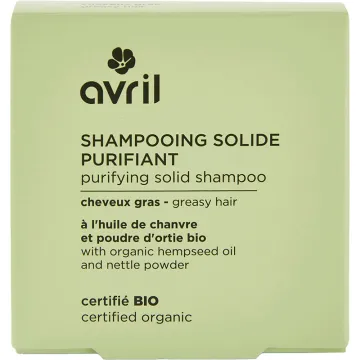
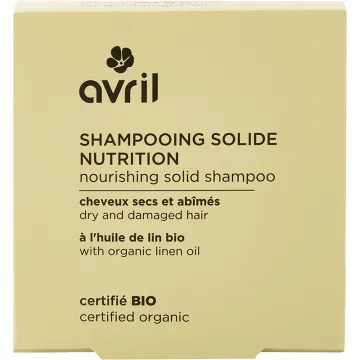
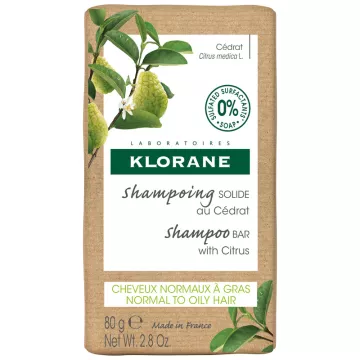
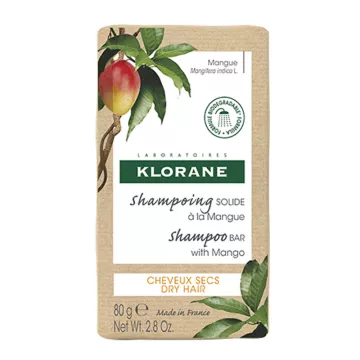
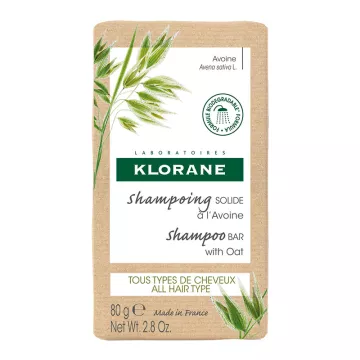
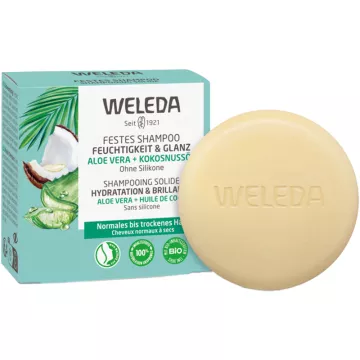
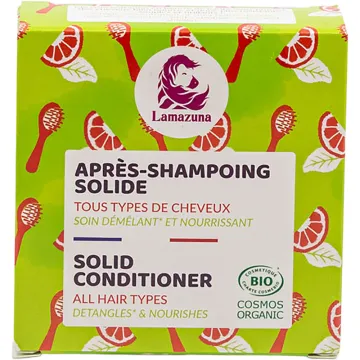
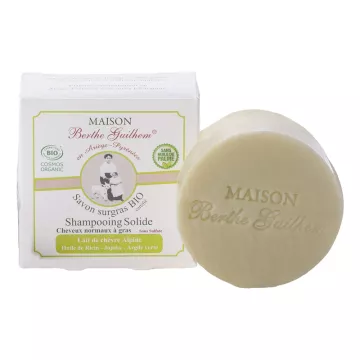
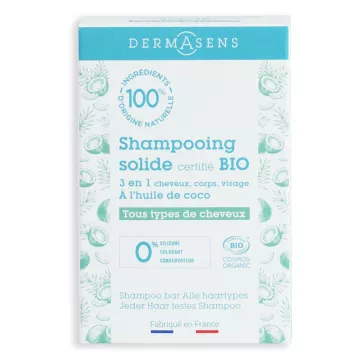
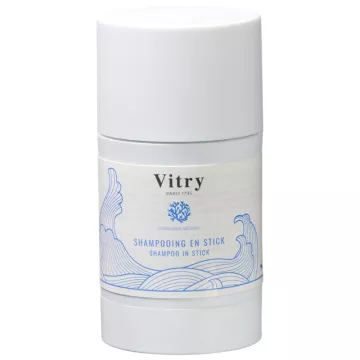
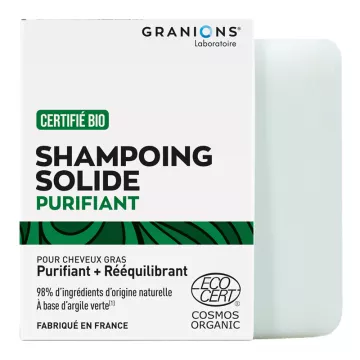
Solid shampoo is an eco-friendly and cost-effective alternative to liquid shampoos. It comes in the form of a compact bar without plastic packaging, significantly reducing waste. Made with gentle surfactants, plant-based oils, and butters, it cleanses the hair and scalp just like a traditional shampoo, while supporting a zero-waste lifestyle. Similar to organic shampoo in its natural composition, it differs in its solid form and practicality. It easily fits into an eco-friendly hair care routine, directly replacing your usual liquid shampoo.
Solid shampoo offers several benefits:
To take a consistent approach, pairing it with a solid conditioner or natural hair care products extends your zero-waste commitment.
Using solid shampoo takes a little getting used to but is simple. Thoroughly wet your hair with lukewarm water. Rub the bar directly onto your wet scalp or lather it between your hands to create a foam, then apply it. Massage the scalp and hair lengths with your fingertips, just as you would with liquid shampoo. Rinse thoroughly until all the lather is gone. For dry hair, lathering the bar in your hands helps you control the amount you use. It may take a few weeks for your scalp to readjust and regain its balance, especially if you’re switching from a conventional shampoo rich in silicones. Rinsing with water mixed with vinegar can help make detangling easier during this transition period.
Solid shampoos rely on natural, concentrated ingredients. They often contain essential oils (lavender, tea tree, peppermint), plant-based butters (shea, cocoa), plant-based oils (coconut, argan, olive), clays (rhassoul, kaolin), and plant extracts (chamomile, nettle, calendula). The type of surfactants is key: opt for mild, plant-based surfactants rather than harsh, stripping formulas. Checking the INCI list helps ensure the quality of the formulation and the absence of harsh ingredients. The gentlest formulas are suitable for regular use without drying out the hair shaft or disrupting the scalp’s balance.
There are solid shampoos suitable for all hair types: dry, oily, normal, colored, or curly. For dry hair, opt for formulas rich in plant-based butters and oils. For oily hair, choose clay-based or purifying formulas. For colored hair, choose a sulfate-free bar to preserve the color. As with liquid shampoos, choosing a product specifically suited to your hair type is essential for good results: an unsuitable solid shampoo can leave your hair feeling rough. The best approach is to test the product and observe how your hair reacts over a few weeks—during the adjustment period—before judging its effectiveness.
Proper storage significantly extends the shelf life of a solid shampoo. The key rule: let it dry completely between uses, as trapped moisture softens it and causes it to melt faster. Use a draining soap dish, a perforated metal tin, or a ventilated holder to help it dry. Avoid leaving it in water or under the shower stream. When traveling, pack it in a ventilated container rather than an airtight one once it’s dry. When properly cared for, a bar retains all its qualities until it’s completely used up. This careful maintenance is part of the zero-waste approach of solid shampoo and maximizes its cost-effectiveness—a well-maintained bar lasts significantly longer than one that’s not cared for properly.
Solid shampoo, which is primarily made of natural ingredients, is generally well tolerated. For children, choose a gentle, hypoallergenic formula free of strong essential oils, as children’s scalps are more sensitive; a specific baby shampoo is still preferable for very young children. For sensitive scalps, some people may react to ingredients such as essential oils: a patch test before use is recommended, as is choosing a formula free of known allergens. People with dandruff may find that solid shampoos containing soothing active ingredients (tea tree, calendula) provide relief. If irritation persists, discontinue use and consult a healthcare professional. When chosen carefully, solid shampoo is suitable for the vast majority of scalps.
The lifespan of a solid shampoo bar depends on its size, ingredients, and frequency of use. On average, a 100-gram bar provides between 50 and 80 washes, which is the equivalent of two to three 250-milliliter bottles of liquid shampoo. This makes it a cost-effective choice in the long run, even though the per-unit purchase price is sometimes higher. Proper storage (allowing it to dry completely between uses) further extends its lifespan. It’s also possible to make your own solid shampoo at home using mild surfactants, plant-based oils, and butters, by following tried-and-true recipes and sticking to the correct proportions to ensure a safe and effective product. Whether you choose to buy it or make it yourself, solid shampoo remains one of the most sustainable options for hair care.