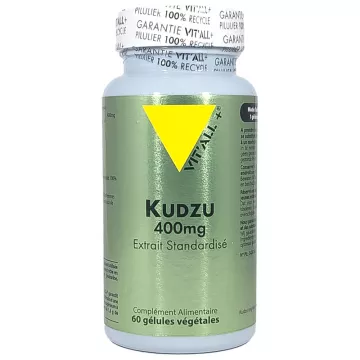
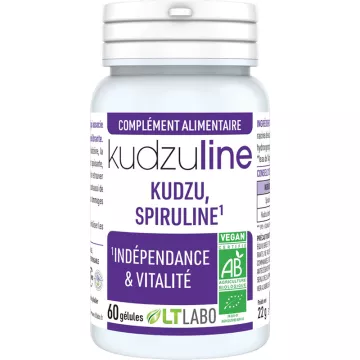
What is kudzu?
Kudzu (Pueraria lobata, also Pueraria montana) is a climbing plant native to Asia that has been used for over 2,000 years in traditional Chinese and Japanese medicine. Its root contains high concentrations of active compounds: specific isoflavones (puerarin, daidzein, genistein), saponins, and functional starches.
Kudzu is traditionally used to help manage addictive behaviors, support female hormonal balance, soothe the digestive system, and help regulate blood pressure. Several modern studies have explored its potential in aiding mild to moderate alcohol withdrawal, though it is not intended to replace structured medical care. Additional resources are available for herbal medicine in general.
What are its traditional uses?
Kudzu is traditionally used to:
- Supporting withdrawal processes: alcohol, tobacco, sugar, and compulsive eating (has a moderating effect on cravings)
- Promote calm during periods of stress, particularly related to withdrawal
- Relieving stress-relateddigestive issues (heartburn, mild acid reflux, intestinal spasms)
- Supporting women’s comfort during perimenopause (mild phytoestrogenic effect)
- Support cardiovascular health through its antioxidants
- Helps promote sleep in cases of tension related to compulsive eating
Kudzu does not eliminate cravings or physical dependence: it supports a process of change that requires motivation and often specialized care. Specific resources are available formanaging stress andimproving digestion in general.
In what forms should it be used?
Several forms are available:
- Capsules of standardized isoflavoneextract: 500 to 1,500 mg/day divided into 2 to 3 doses, ideally taken before high-risk moments
- Root powder: dissolve in cold water and then heat (thickening effect), 1 teaspoon 1 to 2 times a day
- Liquid extract or mother tincture: 30 to 50 drops diluted before meals
- Soothing evening herbal tea: combined with chamomile, lemon balm, and passionflower
- Withdrawal combinations: kudzu + magnesium + griffonia + St. John’s wort (under strict pharmaceutical supervision)
- Culinary use: traditional thickening agent in Japanese and macrobiotic cuisine
A typical treatment course lasts 4 to 8 weeks, or even longer when used to support withdrawal, as advised by a professional. Specific resources are available for lemon balm and passionflower in general.
Which plants or nutrients should it be combined with?
These combinations enhance the overall treatment:
- Kudzu + magnesium: a common deficiency during times of stress and withdrawal; supports neuromuscular function
- Kudzu + St. John’s wort: only under strict professional guidance due to potential drug interactions
- Kudzu + Rhodiola + Ashwagandha: for adults experiencing burnout with compulsive behaviors
- Kudzu + valerian + passionflower: for sleep and anxiety
- Kudzu + chromium: for sugar cravings and blood sugar regulation
- Kudzu + sage + black cohosh: for perimenopause (under medical supervision)
For magnesium and rhodiola in general, specific resources are available.
What precautions should be taken?
The isoflavones in kudzu require several precautions:
- Pregnancy and breastfeeding: use is contraindicated (phytoestrogenic effect)
- Hormone-dependent cancers (breast, ovary, uterus, prostate): avoid use unless advised by a doctor
- Endometriosis, fibroids, breast disorders: avoid without medical advice
- Hormone therapies (contraception, hormone replacement therapy): possible interactions
- Anticoagulant treatments: possible blood-thinning effect; medical advice required
- Diabetes under treatment: monitor blood sugar levels; dosage adjustment may be necessary
- Liver disorders: use with caution during prolonged treatment
- Children and adolescents: use not recommended
- Rareside effects: digestive issues, bloating, temporary changes in the menstrual cycle
Kudzu is not a substitute for structured medical care for severe addictions. For smoking cessation, Tabac Info Service (3989) offers free support. For alcohol withdrawal, a consultation with an addiction specialist is essential. Your licensed pharmacist remains a valuable resource for helping you choose a high-quality, standardized kudzu product, checking for drug interactions, and providing guidance throughout the treatment, in addition to appropriate medical and addiction-specialized care.