How does the body regulate appetite?
Appetite is finely regulated by a complex neuroendocrine system involving the hypothalamus, the digestive tract, and adipose tissue. The main players:
- Ghrelin: the “hunger hormone,” secreted by an empty stomach. Its levels rise before meals and drop rapidly once eating begins. Lack of sleep, chronic stress, and highly restrictive diets cause ghrelin levels to rise persistently, explaining compulsive hunger during periods of calorie restriction.
- Leptin: the “satiety hormone,” secreted by fat cells. Leptin resistance (common in obesity) desynchronizes this signal, sustaining hunger despite ample fat reserves.
- GLP-1 (Glucagon-Like Peptide-1): secreted by L cells in the intestine in response to fiber and protein, it slows gastric emptying and stimulates insulin secretion. It is the target of new-generation anti-obesity medications.
What are the common causes of loss of appetite?
Loss of appetite can have many causes:
- Medical causes: thyroid insufficiency (hypothyroidism), kidney failure, cancers, chronic infections, digestive disorders, and certain medications (chemotherapy, certain antibiotics).
- Nutritional causes: deficiencies in zinc (a cofactor for taste enzymes), vitamin B1, or iron.
- Psychological causes: depression, chronic anxiety, grief—the corticolimbic axis directly modulates the perception of hunger and the pleasure derived from eating.
- Normal physiological causes: aging, summer heat, recovery from an infection.
A persistent loss of appetite (> 2 weeks) accompanied by unintentional weight loss requires a medical consultation to rule out a serious organic cause.
Which bitter herbs stimulate the appetite?
“Orexigenic” plants work through their bitterness, which stimulates the TAS2R receptors in the gastric mucosa and reflexively triggers digestive secretion:
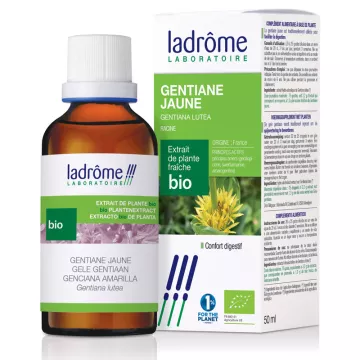
- Gentian (Gentiana lutea): contains the most bitter iridoids known (gentiopicroside, amarogentine). It powerfully stimulates digestive secretion and appetite. Contraindicated in cases of active gastroduodenal ulcers.
- Artichoke (Cynara scolymus): Its caffeoylquinic acids stimulate bile secretion and improve fat digestion. It also provides relief for mild nausea and postprandial discomfort.
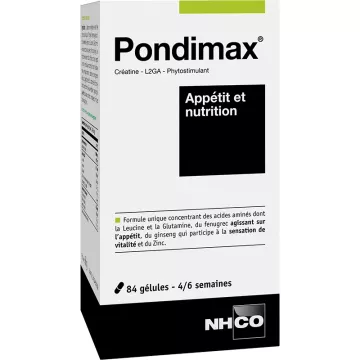
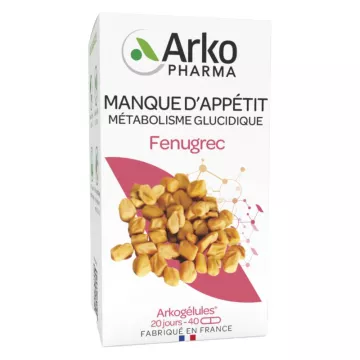
- Angelica, peony, and fenugreek are also supported by evidence in traditional herbal medicine for improving appetite.
Which nutritional deficiencies reduce appetite?
Certain deficiencies directly affect appetite mechanisms:
- Zinc: a cofactor for taste enzymes (gustin). A deficiency impairs the sense of smell and taste, reducing the pleasure derived from eating and, consequently, appetite. Correcting a documented deficiency (10 to 25 mg/day) restores the perception of flavors within 4 to 8 weeks.
- Vitamin B1 (thiamine): A deficiency is associated with severe anorexia. Thiamine supplementation rapidly improves appetite in deficient individuals.
- Magnesium: A deficiency is associated with nausea and loss of appetite, which is common in people experiencing chronic stress or taking PPIs or diuretics.
How do probiotics and digestion influence appetite?
The gut microbiota influences appetite regulation via the gut-brain axis. Gut bacteria produce short-chain fatty acids (butyrate, propionate) that stimulate the release of GLP-1 and PYY, two satiety hormones. A dysfunctional gut microbiota can disrupt this axis and impair appetite regulation. Probiotics and digestive support can help restore a functional microbiome and improve digestive comfort—a key factor in appetite, particularly in cases of chronic postprandial discomfort.
How can appetite be naturally stimulated in older adults?
Anorexia in older adults is common (30 to 40% of people over 70) and has multiple causes. Documented nutritional and complementary strategies include:
- Divide meals into smaller portions (5 to 6 small meals per day) rather than 3 large meals to accommodate reduced stomach capacity.
- Enrich foods with protein and energy (milk powder, olive oil, eggs) without increasing their volume.
- Pay attention to meal presentation and the social environment—according to behavioral studies, shared meals increase food intake by 40% among older adults.
- Address documented deficiencies (zinc, B vitamins, vitamin D) that contribute to impaired taste and appetite.