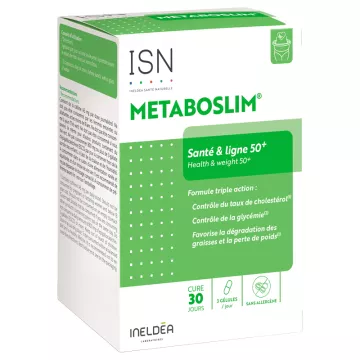
What is metabolic syndrome, and how is it defined?
Metabolic syndrome is a cluster of cardiovascular and metabolic risk factors that, when combined, increase the risk of type 2 diabetes, coronary heart disease, and stroke. It is diagnosed by a doctor based on defined clinical and laboratory criteria (IDF/AHA 2009). Metabolic support supplements are available in the store’s cholesterol and cardiovascular health line.
- Diagnostic criteria (presence of 3 out of 5 criteria): abdominal obesity (waist circumference > 94 cm in men, > 80 cm in women according to European IDF thresholds) — hypertriglyceridemia ≥ 1.7 mmol/L (150 mg/dL) — Low HDL cholesterol (< 1.03 mmol/L in men, < 1.29 mmol/L in women) — fasting blood glucose ≥ 5.6 mmol/L (100 mg/dL) or known type 2 diabetes — blood pressure ≥ 130/85 mmHg or current antihypertensive treatment
- Central Mechanism: Insulin resistance is the common denominator — Visceral adipose tissue secretes pro-inflammatory adipokines and free fatty acids that disrupt insulin signaling in the liver, muscles, and pancreas
- Epidemiology: estimated prevalence of 20–25% of the global adult population—increased risk after age 50—Asian and Hispanic populations are at high risk at lower waist circumference thresholds
What lifestyle changes can help prevent and improve metabolic syndrome?
Lifestyle changes are the documented first-line treatment—they precede or accompany any medication prescribed by a doctor. They are not a substitute for medications prescribed forhigh blood pressure, high cholesterol, or high blood sugar.
- Physical activity: 150 minutes per week of moderate-intensity activity (brisk walking, swimming, cycling) reduce insulin resistance, blood sugar levels, and visceral fat—resistance training (weight training) twice a week—any reduction in sedentary time is beneficial
- Mediterranean diet: extra virgin olive oil, legumes, fatty fish (anti-inflammatoryomega-3 EPA and DHA), colorful vegetables, whole grains — reduce refined sugars, sugary drinks, and saturated fats — limit salt intake (< 5 g/day according to the WHO)
- Weight management: Losing 5–10% of body weight improves all markers of the syndrome — no drastic low-calorie diets without medical supervision
- Sleep and stress: Sleep lasting less than 6 hours increases insulin resistance and appetite—chronic stress raises cortisol levels, which promotes abdominal obesity—stress management techniques (meditation, cardiac coherence)
- Smoking cessation: Smoking worsens insulin resistance and atherosclerosis — Tabac Info Service: 3989
Which dietary supplements support a healthy lifestyle?
These supplements support a healthy lifestyle — they do not treat metabolic syndrome and are not a substitute for prescribed medications. Consult a doctor before taking any supplements if you are currently undergoing treatment (possible interactions).
- Omega-3 EPA-DHA: documented reduction in triglycerides (–20 to –30% at 3–4 g/day) and low-grade inflammation—EFSA-validated claims regarding normal cardiac function
- Magnesium: cofactor for >300 enzymes—deficiency is frequently associated with insulin resistance and hypertension—300 to 400 mg/day as bisglycinate or malate
- Vitamin D3: Deficiency associated with increased insulin resistance—supplementation of 1,000 to 2,000 IU/day in winter in our latitudes
- Chromium: enhances the action of insulin — 200 to 400 µg/day of chromium picolinate — do not combine with other medications without medical advice in treated diabetics (risk of hypoglycemia)
- See also the blood sugar control line for combined metabolic support formulas