0
Menu
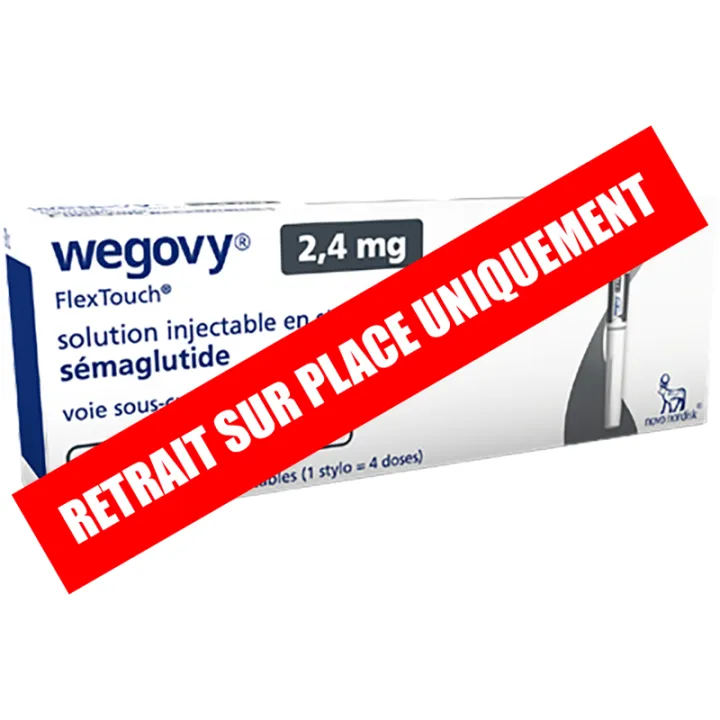
Wegovy FlexTouch Solution Injectable Pre-filled Pen Obesity treatment Wegovy FlexTouch Solution Injectable Pre-filled Pen Obesity treatment Wegovy FlexTouch Solution Injectable Pre-filled Pen Obesity treatment Wegovy FlexTouch Solution Injectable Pre-filled Pen Obesity treatment Wegovy FlexTouch Solution Injectable Pre-filled Pen Obesity treatment
Over-the-counter medication

Wegovy FlexTouch Solution Injectable Pre-filled Pen Obesity treatment

Brand : OCP OCP

Wegovy is a weekly injectable medication based on semaglutide, used in the medical management of obesity and overweight with comorbidities. It acts on satiety, appetite and metabolism. Available by prescription only, it can be booked online and collected directly from the pharmacy in Mailloles, Perpignan, Pyrénées Orientales.

€177.73 EXCL. VAT €195.49 INCL. VAT
Replenishment in progress Pre-order Secure payment
Reference : 3400930258620
You must be logged in to add this product to a list. Customer login
See delivery conditions

Our doctors of pharmacy advise you

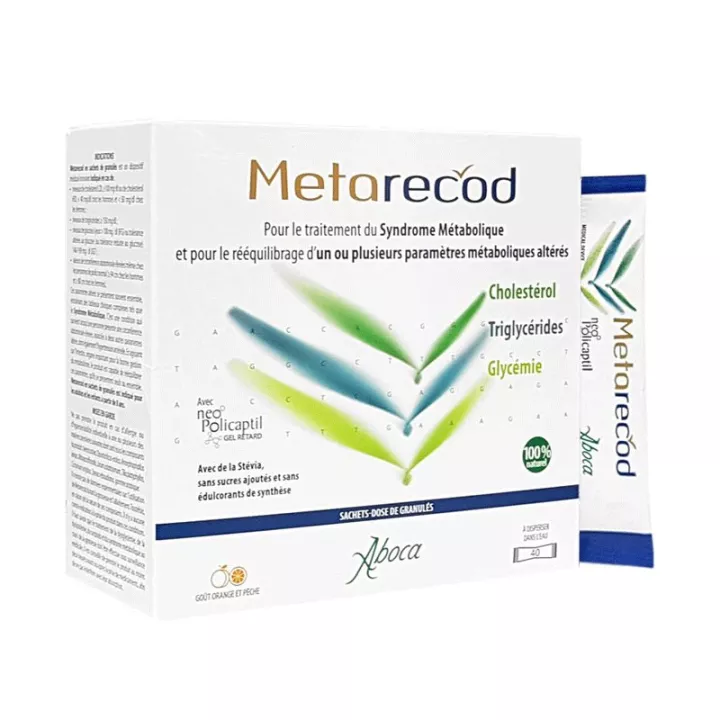
Aboca Metarecod Metabolic Syndrome 40 Sachets Aboca Metarecod Metabolic Syndrome 40 Sachets
€29.90
Shipped within 24h
Vitavea Chrome Picolinate 250µg Glycemia & Metabolism 45 capsules Vitavea Chrome Picolinate 250µg Glycemia & Metabolism 45 capsules
€7.59
Shipped within 24h
Be-Life Cr Complex Sugar Metabolism 90 capsules Be-Life Cr Complex Sugar Metabolism 90 capsules
€12.49
Shipped within 24h
Vitall+ Metabolic Complex 30 vegetarian capsules Vitall+ Metabolic Complex 30 vegetarian capsules
€35.40
Shipped within 24h
Cledist Métabolisme Tavmet Jaldes 60 tablets Cledist Métabolisme Tavmet Jaldes 60 tablets
€23.19
Shipped within 24h

Essential regulatory information - Wegovy

Wegovy® is a prescription-only medicine.

In accordance with current French regulations, this medicine cannot be sold online.

However, you can make a reservation request on our website and pick up the product at the pharmacy of Mailloles located in France, in Perpignan in the Eastern Pyrenees, with a valid medical prescription for this treatment.

Dispensing is systematically conditional on verification of the prescription's conformity by our pharmacy team.

For full indications, warnings, contraindications and side effects, please consult the official leaflet and ask your doctor or pharmacist for advice.

Therapeutic indications for Wegovy

Wegovy® is indicated as an adjunct to a hypocaloric diet and increased physical activity for chronic weight management in :

  • Patients with obesity (BMI ≥ 30 kg/m²)
  • Overweight patients (BMI ≥ 27 kg/m²) with at least one associated risk factor (hypertension, dyslipidemia, type 2 diabetes, etc.).

This treatment is part of anoverall management program overseen by a healthcare professional.

Mechanism of action of semaglutide

The active ingredient in Wegovy® is semaglutide, a GLP-1 (Glucagon-Like Peptide-1) analog.

GLP-1 is a hormone involved in :

  • Regulation of appetite
  • Satiety
  • glycemic control

Semaglutide acts on the brain's food-regulation centers, increasing the sensation of satiety and reducing hunger. It also helps to improve metabolic control in these patients.

Wegovy® dosage and administration

Wegovy® is administered by subcutaneous injection once a week, on the same day each week.

Possible sites of injection :

  • Abdomen
  • Thigh
  • Upper arm

Treatment starts at 0.25 mg once a week, gradually increasing according to the prescribed medical regimen, up to a maintenance dose of 2.4 mg per week.

This gradual increase is designed to improve digestive tolerance.

The FlexTouch® pre-filled pen makes administration simple and precise. Injection takes around 5-10 seconds.

It is essential to adhere strictly to the medical prescription.

Precautions for use with GLP-1 analogues and contraindications

Wegovy® is contraindicated in certain situations:

  • Hypersensitivity to semaglutide
  • Pregnancy
  • Breast-feeding

Special precautions :

  • Inform your doctor if you have ahistory of pancreatitis
  • Report anyconcomitant treatment
  • Consult your doctor in case of persistent abdominal pain
  • Maintain adequate hydration

The most frequently reported side effects are gastrointestinal (nausea, vomiting, diarrhea).
For full details, please refer to the official package insert.

Additional regulatory information

  • Subject to compulsory medical prescription
  • Dispensed in pharmacies only
  • Read package leaflet carefully before use
  • Do not share pen
  • Keep refrigerated (2-8°C ) before opening.
  • Do not freeze

Medical summary of product

Wegovy® (semaglutide) is an injectable medication indicated for chronic weight management in obese or overweight patients with risk factors. It acts as a GLP-1 analogue, increasing satiety and contributing to weight reduction under controlled medical supervision.

Pharmacist's advice on Wegovy

Wegovy® is not a beauty treatment. It is a treatment indicated for the medical management of obesity and overweight with comorbidities.

Its efficacy is based on :

  • Compliance with medical protocol
  • An appropriate diet
  • Regular physical activity
  • Regular medical follow-up

Any change in dosage must be decided by the prescribing physician.

Frequently asked questions

Can Wegovy® be purchased online?

No. Online sales are not authorized. The drug can be reserved and collected from a pharmacy with a valid prescription.

Who is this treatment intended for?

Patients suffering from obesity or overweight with comorbidities, on medical prescription.

How long does the treatment last?

The duration of treatment is determined by the doctor, based on clinical response and therapeutic objectives.

Does Wegovy® replace a diet?

No. It must be combined with a suitable diet and regular physical activity.
VIDAL DE LA FAMILLE

WEGOVY

Updated December 04, 2025
Drug family : Antiobesity agent

Indications

This drug acts by binding to receptors for a hormone called glucagon-like peptide-1 (GLP-1), which is involved in glycemic control. Its action in obesity is based on effects on brain regions involved in appetite regulation. Studies have shown that it reduces feelings of hunger and food intake, particularly of fat-rich foods.

It is used, as a complement to a hypocaloric diet and increased physical activity, in weight control in obese adults (BMI greater than or equal to 30) or in overweight adults with a BMI greater than or equal to 27 and who present weight-related complications such as hypertension, diabetes, excess lipids in the blood, sleep apnea syndrome or cardiovascular disease.

It is also used, as a complement to dietary measures and regular physical activity, for weight control in obese adolescents over 12 years of age (BMI greater than 30) weighing more than 60 kg.

Presentations

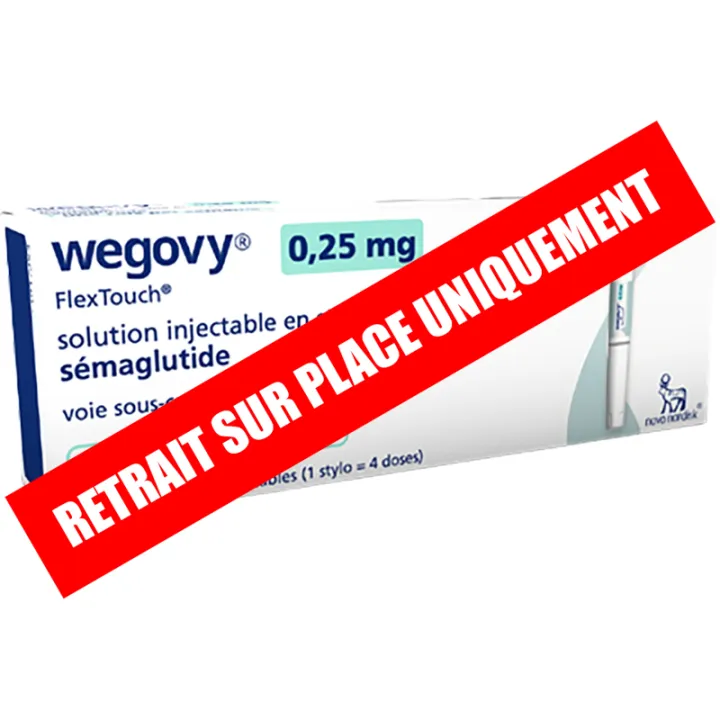
WEGOVY 0.25 mg Flex touch: solution for injection; 1 pre-filled pen (4 doses)
Prescription required (List I) - Not reimbursed - Free price
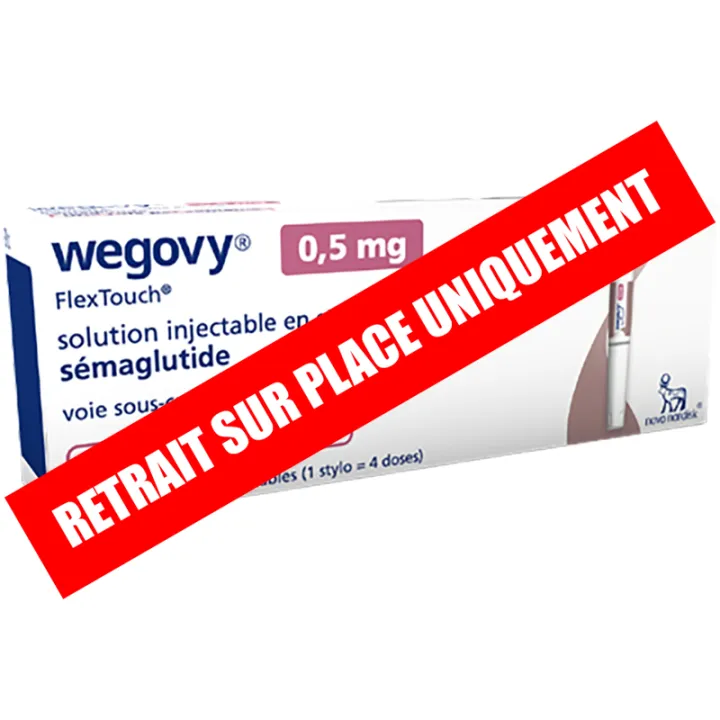
WEGOVY 0.5 mg Flex touch : solution for injection ; 1 pre-filled pen of 1.5 ml (4 doses)
Prescription required (List I) - Non-reimbursed - Free price
WEGOVY 0.5 mg Flex touch : solution for injection ; 1 pre-filled pen of 3 ml (4 doses)
Prescription required (List I) - Non-reimbursed - Free price
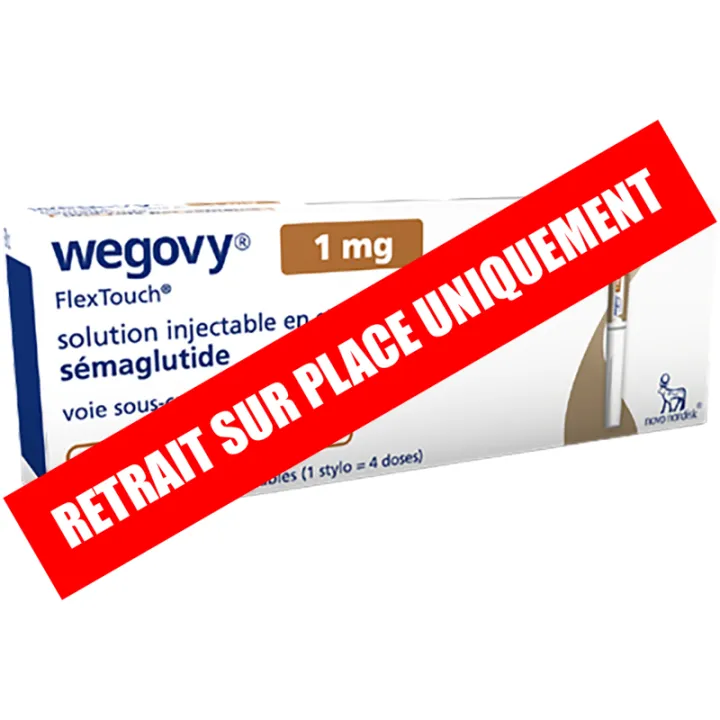
WEGOVY 1 mg Flex touch : solution for injection ; 1 pre-filled pen (4 doses)
Prescription required (List I) - Not reimbursed - Free price
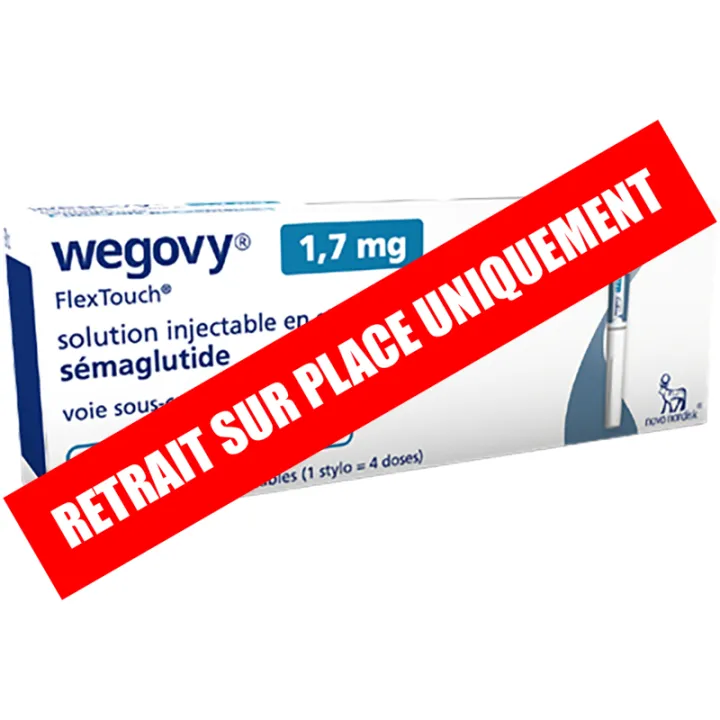
WEGOVY 1,7 mg Flex touch : solution for injection ; 1 pre-filled pen (4 doses)
Prescription required (List I) - Not reimbursed - Free price
WEGOVY 2,4 mg Flex touch : solution for injection ; 1 pre-filled pen (4 doses)
Prescription required (List I) - Not reimbursed - Free price

Prices do not include dispensing fees.

Composition

p dose p dose p dose
Semaglutide 0.25 mg 0.5 mg 1 mg
p dose p dose
Semaglutide 1.7 mg 2.4 mg

Warning

The efficacy and safety of this drug in weight control have not been established in people with type 1 diabetes, severe renal insufficiency, severe hepatic insufficiency or severe cardiac insufficiency.

Precautions should be taken in people over 85 years of age, in diabetics suffering from retinal damage (diabetic retinopathy) or slowed stomach emptying, or in cases of inflammatory bowel disease.

Taking this treatment may lead to inflammation of the pancreas (pancreatitis). Discontinue treatment and seek prompt medical advice in the event of significant and persistent abdominal pain.

Hypoglycemia has been observed in patients treated with semaglutide in combination with a hypoglycemic sulfonamide or insulin. A reduction in the dose of hypoglycemic sulfonamide or insulin may be considered on initiation of treatment to reduce this risk.

In the event of surgery requiring general anaesthesia, inform the anaesthetist during the pre-operative consultation that you are taking this medicine, as it may cause serious complications.

Driver: dizziness may occur, particularly during the first weeks of treatment when doses are increased. Type 2 diabetics should also take care to avoid hypoglycemia, which could lead to discomfort when driving or operating machinery.

Drug interactions

This medicine slows stomach emptying and may affect the absorption of other medicines. Tell your doctor about any other treatment you are taking.

Fertility, pregnancy and breast-feeding

The effect of this drug during pregnancy or breast-feeding is not well known. As a precaution, its use is not recommended in pregnant or breastfeeding women.

Effective contraception is recommended for women of childbearing age. If pregnancy is desired, treatment should be stopped at least 2 months before the start of pregnancy.

Instructions for use and dosage

The solution is injected subcutaneously into the thigh, abdomen or upper arm.

Injections are given once a week and can be made at any time of the day, independently of meals. The day of injection can be changed if necessary, provided there is at least a 3-day gap between two doses. Once a new day has been chosen, the dose should continue to be administered once a week.

The pen is multi-use and contains 4 doses. For precise handling, please refer to the instructions supplied by the manufacturer.

Usual dosage :

  • Adults and adolescents over 12: the initial dose is 0.25 mg per week. To limit intestinal side effects, it is gradually increased to 2.4 mg per week (maintenance dose) in 4-week increments, as follows:
    • weeks 1 to 4: 1 dose of 0.25 mg, once a week ;
    • weeks 5 to 8: 1 dose of 0.5 mg, once a week;
    • weeks 9 to 12: 1 dose of 1 mg, once a week;
    • weeks 13 to 16: 1 dose of 1.7 mg, once a week;
    • weeks 17 onwards: 1 dose of 2.4 mg, once a week.

A suitable diet and regular physical activity remain essential during treatment.

Advice

If an injection is missed, it should be administered as soon as possible within 5 days. If an injection is missed after more than 5 days, do not administer the missed dose. In all cases, continue injections on the day originally chosen.

Digestive side effects such as diarrhoea and vomiting can lead to dehydration: make sure you drink enough to compensate for water loss.

Unopened pens should be stored in their packaging in the refrigerator (between +2°C and +8°C). After first use, they can be kept for 6 weeks in the refrigerator or at room temperature not exceeding 30°C. Do not freeze.

Possible side effects

Very common (more than 10% of people): nausea, vomiting, constipation, diarrhea, abdominal pain, headache.

Common (1-10% of people): difficult digestion, gastroesophageal reflux, heartburn, bloating, burping, dizziness, taste alteration, increased or decreased sensitivity in any part of the body, gallstones, hair loss, injection site reaction; hypoglycemia or retinal damage in patients with type 2 diabetes.

Uncommon (less than 1 in 100 people): hypotension, increased heart rate, delayed stomach emptying, pancreatitis, increased pancreatic enzymes (lipase, amylase).

Rare (less than 1 in 1 ,000people ): allergic reaction.

Some studies suggest an increased risk of a rare retinal disease (non-arteritic anterior ischemic optic neuropathy) in people taking semaglutide. In the event of sudden loss of vision, seek urgent medical advice and do not inject again.

If you have experienced an adverse reaction that may be due to this drug, you can report it online.

LEXICON

alteration

Change from a normal state, deterioration.

bloating

Accumulation of air or gas in the intestine.

See article: Bloating, flatulence and aerophagia

gallstone

Solid body formed by cholesterol in the gallbladder or bile ducts.

See article: Gallstones

constipation

Slowing of intestinal transit resulting in fewer bowel movements.

See article: Constipation in adults or Constipation in babies and children

dehydration

Water deficiency due to abnormal fluid loss (diarrhea, vomiting, profuse sweating).

diabetes

General term for diseases characterized by profuse urination and intense thirst. Used alone, the word diabetes generally refers to diabetes mellitus, which corresponds to a disturbance in the body's regulation of sugars by insulin. It is characterized by an increase in sugar (glucose) in the blood and its possible presence in urine. There are two types of diabetes mellitus: type 1, or insulin-dependent diabetes, which requires treatment with insulin injections, and type 2, or non-insulin-dependent diabetes, which can initially be treated with oral antidiabetics.

See article: Type 1 diabetes or Type 2 diabetes

diarrhea

The strict medical meaning of diarrhea is "the emission of stools that are too frequent and abundant". In fact, common sense equates diarrhea with the notion of frequent, liquid stools. Normally, stools are pasty, but the emission of liquid or barely-formed stools, with no associated pain or particular disorder, is not pathological. Diarrhea occurs when liquid stools are passed repeatedly throughout the day, and the need for them is urgent or painful.

Many drugs can accelerate intestinal transit and make stools more liquid, without this undesirable effect being a real cause for concern.

Antibiotics can alter the digestive flora, essential for digestion, and cause diarrhoea, which is more or less uncomfortable but benign. The effect may appear immediately or after a few days' treatment. A serious and exceptional form of diarrhea, pseudomembranous colitis, may be observed after antibiotic treatment; this condition is characterized by the emission of mucus and false membranes (resembling flaps of skin) associated with abdominal pain; constipation may replace the initial diarrhea. Pseudomembranous colitis may occur several days after antibiotic treatment has stopped, and requires urgent medical advice.

See article: Diarrhea and gastroenteritis in adults or Diarrhea and gastroenteritis in children

undesirable effect

The current trend in official texts is to report all troublesome symptoms observed, even exceptionally, in people who have used the drug.

Some of these disorders are actually attributable to the drug, while others may have been observed even though the drug is probably not actually responsible for their occurrence.

For the sake of completeness, we have chosen to reproduce all the disorders listed in the official texts, although we are aware of the risk of creating unjustified concern. Nevertheless, our top priority is to provide the public with accurate information. When reading the Possible side effects section, be aware that the disorders listed are not necessarily attributable to the molecule used.

See article: Understanding side effects

pancreatic enzyme

A substance secreted by the pancreas. Pancreatic enzymes facilitate and accelerate digestion.

glycemia

Quantity of sugar present in a liter of blood. It usually varies between 0.6 and 1.1 g/l (3.3 mmol/l to 6 mmol/l) in fasting subjects. A diagnosis of diabetes should be considered when blood sugar levels exceed 1.2 g/l (6.6 mmol/l).

See the article: Monitoring blood glucose levels in type 1 diabetes or Controlling blood glucose levels in type 2 diabetes.

hormone

A substance produced by the body and carried by the blood to regulate the activity of certain glands or organs.

hypertension

Excessive pressure (tension) of the blood in the arteries. This pressure is provided by the heart and is expressed by two digits. It is highest when the heart is contracting, or systole (first digit), and lowest when the heart is resting, or diastole (second digit). Hypertension is characterized by a maximum pressure (systolic) greater than or equal to 16, or a minimum pressure (diastolic) greater than or equal to 9.5. Treatment is initiated when these figures are exceeded, or for lower pressures in certain people with cardiovascular risk factors: heredity, smoking, diabetes, excess cholesterol. Permanent antihypertensive treatment helps limit the damage to the heart and blood vessels caused by high blood pressure.

See article: Arterial hypertension (AH)

hypoglycemia

A drop in glycemia (blood sugar) that can cause malaise.

hypotension

Decrease in blood pressure, which can cause fatigue, cold feet and hands, dizziness and malaise. Hypotension may be caused by medication, hemorrhage or severe pain, or by a sudden change from lying down to standing up (orthostatic hypotension).

inflammation

Natural reaction of the body against an element recognized as foreign. It manifests itself locally as redness, heat, pain or swelling.

heart failure

Inability of the heart to perform its pumping function. The main symptoms of heart failure are fatigue and shortness of breath on exertion.

See articles: Heart rhythm disorders

liver failure

Inability of the liver to perform its function, which is essentially the elimination of certain waste products, but also the synthesis of many biological substances essential to the body: albumin, cholesterol and coagulation factors (vitamin K, etc.).

kidney failure

Inability of the kidneys to eliminate waste products or drug substances. Advanced renal failure does not necessarily mean a reduction in the quantity of urine eliminated. Only a blood test and creatinine level can reveal this condition.

insulin

Hormone secreted by the pancreas after consumption of sugars. It lowers the level of sugar in the blood and enables it to be used by the organs. Insulin is used to treat certain types of diabetes. The only insulin currently in use is obtained by biotechnology; insulins of animal origin are no longer marketed.

The different insulins available differ in terms of time to onset and duration of action.

See articles: Type 1 diabetes and Type 2 diabetes

anterior ischemic optic neuropathy

Eye disease caused by blood-deprivation necrosis (ischemia) of the end of the optic nerve in the center of the retina, leading to sudden loss of vision. Anterior ischemic optic neuropathy (AION) can have two origins: arterial in the case of inflammatory disease of the arteries, or non-arteritic when caused by atherosclerosis.

obesity

Excess weight due to an increase in the amount of fat stored in the body. Obesity can be caused by hereditary factors, a poorly balanced diet, or hormonal problems. Obesity promotes cardiovascular disease, diabetes, joint problems (back, hip, knee, ankle) and certain cancers.

See article: Obesity.

pancreatitis

Acute or chronic inflammation of the pancreas, the gland behind the stomach that secretes digestive enzymes and insulin.

Acute pancreatitis is characterized by the sudden onset of intense, transfixing pain, i.e. pain that feels as if it were passing right through the abdomen, from front to back or from back to front. The diagnosis of acute pancreatitis is confirmed by a specific blood test. Emergency hospitalization is always necessary.

allergic reaction

Reaction caused by the body's hypersensitivity to a drug. Allergic reactions can take many forms: urticaria, angioedema, eczema, measles-like rash, etc. Anaphylactic shock is the most common. Anaphylactic shock is a generalized allergic reaction that causes a sudden drop in blood pressure.

See article: Can you be allergic to drugs?

receptor

Structure located in the cell wall, a kind of "lock" activated by a specific substance (key). Adrenalin, for example, binds to beta receptors in the heart and increases heart rate. Some drugs, such as beta-blockers, work by blocking these receptors.

retina

Nervous tissue that lines the back of the eye and acts as an image sensor.

subcutaneous

Injection under disinfected skin, pinched between the thumb and forefinger of the hand not holding the syringe. It is preferable not to inject into the fold formed by the skin pinch, but just under it, by inserting the needle laterally at a 45o angle. This simple injection technique can be learned by patients (diabetics, people on anticoagulants, etc.) from their doctor. It ensures slow, gradual diffusion of the active substance into the bloodstream.

Abbreviation: SC.

hypoglycemic sulfonamide

A drug in the sulfonamide family, which lowers blood glucose levels by increasing insulin secretion by the pancreas.

syndrome

A set of frequently associated symptoms; an influenza syndrome, for example, combines high fever, aches and pains and a headache. The same syndrome may be present in diseases with different causes.

vertigo

A symptom that may refer to an impression of loss of balance (common sense) or, more strictly, a sensation of spinning around oneself or the environment (medical sense).

See article: Vertigo.

route
  • Pathway (route of administration) used to deliver drugs: oral, sublingual, subcutaneous, intramuscular, intravenous, intradermal, transdermal.
  • Set of hollow organs through which air (respiratory tract), food (digestive tract), urine (urinary tract), bile (biliary tract), etc. can pass.

Advice from our naturopaths

Semaglutide + Tirzepatide: Our natural alternatives for obesity and diabetes Semaglutide + Tirzepatide: Our natural alternatives for obesity and diabetes

In a world where obesity and type 2 diabetes are affecting more and more people, the search for effective solutions is paramount. Ozempic (semaglutide), Zepbound and Mounjaro (tirzepatide) represent a major step forward in this quest. Although these drugs differ in their chemical composition, they share a common objective: to help patients manage their weight and control their blood sugar…

Read the article on the blog
Treating obesity: Cannabidiol CBD or Ozempic, which to choose for healthy weight loss? Treating obesity: Cannabidiol CBD or Ozempic, which to choose for healthy weight loss?

Obesity is a chronic medical condition that affects millions of people worldwide, leading to numerous health complications and a reduced quality of life. The search for effective solutions to control this problem is therefore crucial. Among the new treatment options attracting interest are Cannabidiol (CBD) and Ozempic, two substances with very different mechanisms of action. This article explores the advantages…

Read the article on the blog
Wegovy: Price, side effects and advice. Wegovy: Price, side effects and advice.

Wegovy, whose active ingredient is semaglutide, is a promising treatment for weight management and cardiovascular risk reduction. Used mainly in overweight or obese adults, the drug works by mimicking a natural hormone called GLP-1 (glucagon-like peptide-1), thereby regulating appetite and food intake. This article explores the benefits and risks associated with Wegovy, based in particular on the results of the…

Read the article on the blog
Natural Health Advice